A short 3-night break with the family to the Oberpfälz region (in English Upper Plantine) of Bavaria near the Czech/German border brought the chance of some portable radio activations. The problem of planning ahead with this trip was the uncertainty of the weather with high winds rain and even snow forecast as possibilities, this was going to have to be, grab the activation when you can. Our base for the short stay was the medieval town of Nabburg between Regensburg and Weiden. The Oberpfälzerwald nature park covers a large area of land around our base and hence the likelihood would be that POTA DE-0017 would be activated at the same time as a HEMA or SOTA summit. Very near to the town was an unactivated HEMA summit Darlesberg and this would most likely be the summit in the park, dual activation. The only reasonable summit to take the family to was Fahrenberg (DM/BM-321) and this 8-point, drive-up summit is in the next POTA park northwards, DE-0024 Nordlicheroberpfälzerwald NP so this could be a combined SOTA/POTA activation. On the way to our holiday flat, my wife wanted to see an art exhibition in Regensburg, so this was planned to coincide with me activating the Donaupark which is within Regensburg city.
The equipment would be the 6m telescopic fishing pole, umbrella base and the 404-UL OCF dipole from Aerial-59. The reason not to use the usual linked dipole was the probably need for band changing given the variable radio conditions present. This set-up would be used for the summit activations and the Komunica HF-Pro2-Plus-T on a mag mount on the car roof for the POTA activation from the Regensburg park (or any others that might be needed/possible).
The Activations
Tuesday 16th April – POTA DE-0376 DonauPark.
Apart from a delay finding my way to the parking area in this city park, the planned combination of dropping the wife off at the gallery, driving to the park, taking our dog for a walk, setting up the radio in the car, activating the park (10 contacts needed), closing down and packing away, taking the dog for her second walk and then going back to pick up my wife, went to plan and we were able to continue our journey on to our flat in Nabburg.
The activation itself brought in strong signals from around Europe on 20m but contacts number nine and ten took a little longer to get than the first eight which started me worrying a little that I would not manage the needed number of contacts in the time I had available. I tried 40 metres but with so many stations on that band, it was impossible to find a free frequency to call CQ on and when I did eventually find one, after calling CQ another station starting calling CQ without even asking if the frequency was free. It was a jungle of animals on 40 metres. Luckily I did manage to get the needed ten contacts on 20 metres. 10 metres was totally closed at the time.
As the first day proper of our holiday we had planned to split this between radio and visiting the town of Weiden about 5 km north of Nabburg and that’s what we did, We spent the showery morning in Weiden (well worth a look, especially in the large church there) and by midday, we were heading up to the Fahrenberg. Unfortunately, the restaurant was not open on Wednesdays but again, it has a nice baroque-style church that is worth a visit. Behind the church, there is a perfect grassed area to put the mast and dipole up on and while it was sunny when we got there we did not know how long that would last, so I quickly set up and got calling. An impressive 25 callers got into the log in 16 minutes when the calls dried up on 20 metres I considered switching to 40 metres but as I could see black clouds approaching, I thought better of it and packed up the equipment. Just as I lifted my rucksack to my shoulder the first few flakes of snow started to fall, so timing could not have been better.
As we drove off the snow stopped but it was clear rain at least was on the way.
A good day’s radio operating and sightseeing.
Thursday 18th April – HEMA DL/HBY-226 Darlesberg
This should have been the easiest of the activations. The parking spot I had found on the map was less than 10 minutes drive away from our flat and then it was about a 1.25 km walk up a forest track to a picnic area followed by a smaller walking track of about one kilometre to the summit.
Admittedly with this activation, I carry my rucksack laden with gear for the longest distance but despite that, I did not expect any problems. I arrived at the parking spot around 9 am local time, loaded up and started up the forestry vehicles-only track, the start was a little steeper than I had expected but then it got better. I kept following the main track until after about 45 minutes, it started to go downhill, which made no sense. Rather than take my rucksack off to check my printed-out paper map, I decided to use my smartphone to check how much further it would be to the picnic area. What I saw was that I was on the wrong track. I used Google Maps to start with but then switched to the Mapy.cz app for confirmation which, unfortunately, it gave. about 10 minutes earlier I should have taken another much smaller muddy track (which on the maps is shown as being of the same type as the one I was on – it isn’t). In fact, I was now level with the summit but about 60 metres below it. There was a track to go up through the bush to the summit from this point, but it was a boggy mess and with the steep climb that would have been needed, I decided it was not a good option to try in the drizzle in a remote location. If I slipped there would be no one coming by to help.
I then had to face the decision, of whether to go back and go up the correct track and then join the official walking track to the summit, as originally planned or to abort the attempt. By the time I got back to the junction, I would have walked as far as I would have needed for the complete walk to the summit and then would have to face probably another 30-minute walk. I decided to cancel. Had I been carrying less weight or if the ground had not been so soaked I may have made a different decision. I know now not to rely on my memory of a paper map in my rucksack and either to have it out to check junction by junction or as I did on the return walk to the car, follow my position on an online map.
Friday 20th April – POTA DE-0017 OberpfälzerWald NP
As the previous day’s activation (which would have been a HEMA/POTA one) had to be aborted, I was still left with the POTA activation available to coincide with a break to our return journey home to allow the dog to have a walk and so it was decided that another car based POTA activation would be made near Steinberger See about 30 minutes drive away from the flat, So after packing all our luggage into the car again (which of course got in the way later when I wanted to get to the radio gear) we set off but unfortunately in this area of Germany, the GPS (navi) doesn’t always see enough satellites to navigate accurately. There is also a US forces training base nearby, so what signals they may be putting out could also be part of the problem for car-based Euro-GPS systems. In any case, we ended up near Wackersdorf (famous for anti-nuclear-power rallies in the 70s) and found a parking spot near some woodland which would serve the purpose needed. So with my wife taking the dog for a walk, I set to, finding the radio equipment mounting the antenna and calling for POTA hunters. The contacts took longer than I am used to with SOTA and again there was time pressure to get the needed ten contacts but as this was around 0715 UTC, long-path on 20m was open into VK and I managed a Park-to-Park contact with VK2USH, which while difficult, especially as it suffered heavy QRM from another station was completed.
Photos:
POTA DE-0376 Donau Park
This slideshow requires JavaScript.
SOTA DM/BM-321 Fahrenberg / POTA DE-0024 NordlicherOberpfälzerWald NP
This slideshow requires JavaScript.
HEMA DL/HBY-226 Darlesberg (failed attempt)
This slideshow requires JavaScript.
POTA DE-0017 Oberpfälzerwald NP
This slideshow requires JavaScript.
Equipment taken:
MountainTop 40-litre rucksack.
Xiegu G90.
Komunica Power HF-Pro2-PLUS-T loaded vertical antenna. (used with magnetic mount for the first and last activations).
Three-magnet car roof antenna mount.
Lamdahalbe 6m mini-mast (used on 2nd activation).
Aerial-59 404-UL OCF dipole (used on 2nd activation).
4 Ah LifePO4 Eremit battery.
4.5 Ah LiHV battery (not used).
Painter’s thick plastic sheet and gardener’s kneeling pad.
Lightweight headphones.
Smartphone to spot and back-channel comms.
Logs:
POTA DE-0376 Donau Park
POTA Contacts Map
POTA DE-0024 NordlicherOberPfälzerWald NP
POTA Contacts Map
SOTA DM/BM-321 Fahrenberg
SOTA Contacts map
POTA DE-0017 OberpfälzerWald NP
POTA Contacts Map
Conclusions:
The weather was a problem mainly on the third day, combined with the mis-navigation that was a “bad” day – lesson learned to use the Smartphone map/tracking app when attempting to activate a new summit.
The Xiegu G90 continues to work surprisingly well even when only using the Komunica Power HF-PRO-2-Plus-T on a mag mount on the car roof. That park-to-park contact with Australia was a highlight of the trip.
This was originally planned as a HEMA/SOTA activation to Berndorfer Buchet to try out the latest version of my 2 element portable wire beam however when the news came through that my application to have the local nature park added to the POTA system had been approved, there was a quick change of location, so that I could get to activate the new park first.
The purpose remained the same – to test the latest revision of the portable beam, for which I needed contacts from different directions so that I could see the effect of electrically switching the antenna between North, East, South and West. Rather than SOTA and HEMA chasers, I would rely upon POTA chasers.
Pössinger Au runs south of the centre of the Medieval town of Landsberg am Lech down to the village of Pitzling along the eastern side of the River Lech. It contains an animal park with wild boar and deer, small lakes, lots of woodland walks and even an outdoor water playground. There are several car parks in the “Au” but this was not going to be a PLOTA (Parking Lots on the Air) activation, rather one a little way away from the car, so all equipment would need to be carried. For stability, I would take the surveyor’s tripod that I have which is very good to keep a mast stable and vertical but is an awkward and quite heavy thing to carry.
The Activation
POTA DE-0663
Being so close an early start was not needed as the drive was less than 10 minutes. Once parked, I unloaded and went to a spot where I could set up without blocking any of the trails. Unfortunately, this was a little down in a dip so some directions may well be impacted, however as this was to be an HF activation, the impact (I hoped) would be minimal.
As usual, I had arranged that Ernie VK3DET would be kindly listening for me and Mike 2E0YYY had also decided to head out to a local GMA summit, however as my main band was planned to be 20 metres the chances would be slim that I would hear Mike in the UK. 10 metres is no longer open from Central Europe as it has been for a few weeks.
The setup of the new board with its double cable (combined coax and DC power) on the top of my 7-metre mast, supported by the surveyor’s tripod went OK although I had to adjust the 4 elements (which also act as guy ropes) a few times to get the antenna right as the ground was not totally level.
First in the log, was, as usual, Ernie VK3DET and I could tell a slight difference in “electrically pointing” the beam due west for the long path compared to other directions. Mike had several other local UK hams lined up to talk to Ernie and as I could not hear Mike, I gave my apologies and went off to collect some more contacts to qualify the park.
This turned out to be a difficult task, despite spotting myself on the POTA cluster, I got very few calls. 20 metres was very busy and I suspect some other station was on the same frequency, that I had checked was free before spotting it, so I changed my frequency and re-spotted. Still nothing. I even tried 10 metres but it was dead and looking at PROPQUEST the MUF in Central Europe never got high enough for 10 metres to open. While on 10m however I tuned to the local beacon and tested antenna direction against it and it was very clear that all was working as it should with clearly the strongest signal when the antenna was pointing South – the direction where the beacon is. I even made a video of this test and will try to attach it here. After more calls on 20m I eventually got a call from IW9FFI which I was very grateful for. My signals were getting to Australia but it seems there were only a few European POTA chasers up so early in the day.
The beam was configured for 10 & 20m and I did not really want to take it down to put up a different antenna for 40m. So I decided to use the range of the internal ATU within the Xiegu G90 radio to match the 10/20m antenna. It would not be radiating a lot but after seeing S55G/P spotted in a Slovenian park (actually in three overlapping ones, SI-0073/72/93) I called him on 40m using the 20/10 beam and we managed a contact. This was still only my third contact of the day, so I still needed another 7 contacts to qualify the park. I persevered and even had a small run of contacts on 40m but then the last one took another 10 minutes that seemed like an eternity but with F8FSC in the log, that was the needed 10 contacts. After announcing “last call” and expecting the usual 2 or 3 late callers, there were none, so I started to pack up all the gear.
Once I had packed up and got back to the car I had a chance to look around at how beautiful this part of Bavaria is and ended up chatting to a local man for about 20 minutes before I could head home.
All in all, with a very cold 2°C start but later a little warmer with some sunny weather this was a successful test of the portable HF beam although, I now need to be able to deploy it without the tripod and indeed a smaller version of the feed point board is already being planned.
Portable HF 2 element, trapped wire beam for 20m & 10m) electrically switchable from ground between N, E, S and W.
Special coax and DC supply cable (10 metres long).
4Ah Eremit LifePO4 battery.
4 Ah 3S LiHV battery (not used).
Plastic painters sheet and seat pad.
Lightweight headphones.
Smartphone for spotting.
Log:
DE-0663 Pössinger Au
POTA Contacts Map
Conclusions:
The activation went well for a rushed “First activation” of a park. I was however surprised at the lack of callers on 20 metres while the band was busy with lots of QRM, the number of POTA callers was disappointing.
10 metres sounds “wrong” on receive – it’s almost being pushed down by interference (perhaps from outside of the band). I have seen a similar situation on both the G106 and from home on the IC-7300, so I don’t think the G90 is faulty, just that 10m with no signals is a very quiet band.
This was to be an activation to test out my “Ultra-light” kit. My Xiegu G106 radio and the SOTABeams Bandspringer long wire antenna as I have now added an external “Z-Match” manual ATU to the configuration. The antenna gets launched into a tree using a weighted bag and cord, so the complete station packs into a very small bag (about the size of a lady’s large handbag).
Radio conditions were all over the place so I wasn’t planning for any DX and while this was going to be a “family outing” with my wife and dog, I knew I would be restricted, however, I still packed the usual 40L rucksack with the G90 configuration in it, into the car as well, just in case the new configuration did not go as well as hoped. I could then hopefully qualify the park/summit having driven there.
The location chosen I had visited and activated before as a HEMA summit – DL/HBY-038 Staufenberg about 10 km west of Augsburg which itself is about 45 minutes to an hour’s drive away from our home. The summit overlooks the village of Bonstetten which has a wonderful, old restaurant in it, which is open on a Monday (many restaurants close on Monday & Tuesday here) and as the weather forecast was that Monday was likely to be the only dry day of the week, this fitted well. Since activating the (drive-up) summit last Autumn, I have started activating POTA parks and this summit was in the Park I could activate both schemes at the same time. POTA has almost as big a following as SOTA these days, so spotting on the POTA cluster pretty well guarantees enough contacts to qualify the Park (and Summit). Unlike the WWFF Park award scheme which requires 44 contacts, POTA only needs 10 (and HEMA only 4 of course).
The hope was to have the Ultra-portable configuration work “well enough” to use on the family short holiday in the Oberpfälz (Upper Platine in English) near the Bavaria/Czech border, the following week.
The Activation
POTA DE-0006 7 HEMA DL/HBY-038
The expected 45-50 minute drive was extended by the police stopping all traffic on the highway to pull out foreign trucks and check their loads and that the truck conforms to the regulations. This was STILL going on when we returned on the other side of the highway about 4 hours later, so this would have caused even bigger delays as the day went on. Of course, there was no warning of this happening in any of the radio road reports as the Police don’t want to tip off the truck drivers but I’m sure the word would have got out very quickly via their CB radio network or simply via some online social media platform.
As we had set off a little earlier than planned, this meant that I still got to the summit in the park at my alerted time of 0900 UTC (11 am local).
This summit is interesting in that as well as a small chapel, it also has the old American Forces Network (AFN) MW relay station for Augsburg on top of it. I’m not sure what it is now used for however the mast is still there and someone was working in the compound while we were there. Perhaps just keeping the grass under control?
From this summit, there are a few tracks off, that served well for my wife to take our dog on her morning walk, while I set up the antenna and radio. As I mentioned, I had brought along the SOTABeams Bandspringer end-fed antenna and a throw bag to get the antenna up into a tree. In fact, the design is for perhaps a quarter of the wire to head off from the location in the branches in an inverted L kind of configuration. The other half of the antenna, the counterpoise wire, simply runs out over the ground. It was interesting that this wire was noticeably longer than the driven element.
Both wires have banana plugs on them which plug into a BNC adapter, which then goes directly into the ATU. In my case, this is a manually tuned Z-Match. I first tried to get a dip in the indicating LED in the ATU on 40 metres, both using the narrow and wide impedance settings of the ATU no dip could be found. I put out some CQs and spotted myself anyway and while I was receiving fine, I got no calls. I switched then to 20 metres where I could get a very slight dip in the LED light at the very end of the Tune and Load controls. I again spotted and called – no callers. I found another POTA activator who had a strong signal and tried calling him three times – nothing – and it was not a case of another station getting in first as he simply kept calling CQ. This antenna was simply not working. Which for SOTABeams is a surprise however I was surprised that it is supplied without the normal 9:1 UNUN for end-fed random wires.
Time was passing, so I decided to switch radios, leaving the same antenna up (as it had taken some time to get it up in the tree). I went back to the car and brought my Xiegu G90 and its battery, microphone, etc. Connecting that up to the antenna and tuning, it took a lot longer than normal to find a match, but it did manage it (the G90 is known to have an in-built ATU with amazing capabilities). I found a free frequency on 20m and spotted and called again – now I had chasers calling me back and I received the needed 10 contacts to qualify the park (and the summit). No DX just calls from around Europe.
At this point, my wife and dog had been back for some time and were waiting for us to go for lunch in the village “Bonstetten” that this summit is above. So I packed everything up (the antenna, thankfully came down without any problems – often there can be problems with wire antennas jamming in trees) and we went for lunch to a lovely restaurant the “BräuStübel” in Bonstetten and then drove home at the end of what was a nice trip out and we may repeat later in the year.
Photos:
This slideshow requires JavaScript.
Equipment taken:
Xiegu G-90 radio.
Xiegu G106 radio with Z-Match ATU
Komunica Power HF-Pro2 loaded vertical antenna with tripod (not used)
SOTABeams 60-10m Bandspringer long-wire antenna.
Linked dipole antenna and 6m Lambdahalbe mast (not used)
The SOTABeams antenna needs the G90 ATU to work and the external manual Z-Match that I have added to the G106 is not as broad as the built-in one in the G90. I have bought a 9:1 UNU(N to add to the end-fed random wire from SOTABeams to see if that brings it into range for the Z-Match ATU.
It is always good to have backup options available and I will be taking the tried and tested G90 + dipole set-up on our holiday, even if I manage to get the BandSpringer to work with the G106 using a 9:1 UNUN.
Having the option to spot to a larger group of chasers, whether POTA or SOTA is very useful when the number of HEMA chasers available during a weekday is limited.
73 ’til the next activation!
UPDATE:
After writing the report above, I have indeed bought a cheap 9:1 UNUN from Amazon and by having this inline between the z-match manual ATU and the antenna, I can match the antenna to the radio on 60,40,20,15 &10m (I have not tried the WARC bands).
This was to be a quick activation during a visit to Munich. It had to be fitted in between two short dig walks and so a park that I had previously researched in the outskirts of Munich fitted well. This would be another POTA activation from inside the car parked in a parking area within the park’s boundaries.
As such, the equipment was well defined – Komunica HF-PRO2-PLUS-T on my three magnet roof mount on top of the car and the Xiegu G90 as the radio. I wondered about trying for some DX on 10m but given the 40 minutes available for the activation, I decided to stick with 40 & 20 metres to make my minimum of 10 contacts.
The Activation
POTA DE-0282
The parking spot is just outside of Neuried with easy access into the forest.
Once I arrived I took Bonnie (the dog) for her first walk, down into the forest, and found a kindergarten in the forest. There was no one there as this was a Sunday but it seems this kindergarten has been set up where it is with the aim of educating young children about nature. After walking back to the car Bonnie happily hopped back into her area at the back of the car and now it was time for some radio!
The antenna was adjusted for 40 metres and then put on the roof and the radio was set up on the passenger’s seat. Immediately it was clear there was some kind of contest on as the band was FULL of stations and even picking odd “in-between” frequency, the splatter was horrible from the obviously over-driven radios and amplifiers operating on the band. I found the best frequency I could, put out a spot on POTA and started calling CQ.
It was hard work, but after 10 minutes I had 5 contacts in the log but then the calls dried up. So it was time to switch to 20m where, again the contest was in full flow, however on 20m contesters are not supposed to operate above 14.300 MHz so I was able to find a spot between others who had moved this far up the band. After another spot on the POTA list, my first CQ brought back a pile-up of callers, who I worked through one by one, logging a total of a further 19 contacts in the next 20 minutes.
It was now time to pack the radio gear up, take Bonnie for her second walk in the other direction into the forest and then head to pick my wife up before heading home.
All in all, with nice sunny weather this was a good use of the time available and while I got no far DX, there were many good reports on 20m for the simple set-up from all around Europe.
Photos:
This slideshow requires JavaScript.
Equipment taken:
Xiegu G-90 radio.
Komunica Power HF-Pro2 loaded vertical antenna with a three-magnet car roof mount base.
4Ah Eremit LifePO4 battery.
4 Ah 3S LiHV battery (not used).
Lightweight headphones.
Smartphone for spotting.
Log:
DE-0282 Forstenrieder State Forest
Conclusions:
I hate operating on a weekend because of the unnecessary QRM caused by “wanna-be” contesters. The main groups are fine, they do not over-drive audio or amplifiers, it’s the inexperience of newbies taking part that creates most problems as far as I have seen.
Forty metres was more of a battle than 20m and generally, I received better reports on 20m than on 40m, meaning (perhaps) that the antenna works better on 20m (where less loading coil is used) than on 40 metres.
Overall, however, I am happy with how well the (time-limited) activation went.
A short 3-night break with the family to Füssen near the Austrian/German border brought the chance of some portable radio activations. The problem of planning ahead with this trip was the uncertainty of the weather and indeed two of the days were ruled out due to high winds or constant rain but a POTA activation and a combined HEMA/SOTA activation could take place. See previous reports to explain how a summit can be in both HEMA and SOTA. As my new wire beam has, because of long-term sub-zero temperatures and snow cover, not been able to be tuned as yet (and its supporting surveyor’s tripod could not be taken along due to lack of space in the car), the good old 6m telescopic fishing pole with a linked dipole would be the antenna of choice on any summits and the Komunica HF-Pro2-Plus-T on a mag mount on the car roof for the POTA activation which would be again a PLOTA (Parking Lot on the air) from a car park, just within the boundaries of the park.
The Activations
Monday 22nd January – POTA DA-0003 Ammergauer Alps NP.
This POTA park is quite large and the last time I activated this, it was a joint activation with the SOTA “Laber” summit which is in the East of the park. This time I would be activating from the western edge of the park.
After checking into our hotel and dropping off my wife at the Spa, our dog Bonnie and I drove to the parking area that I had found on the map to be within the park’s boundaries. Of course, before starting operating, a higher priority was to take the dog for a walk up into the forest on the side of the hill. Once this was taken care of I could set up the station in the car. The G90 radio and its battery were put on the front passenger seat and the antenna was located on the magnetic mount on the roof.
I had decided to start on 40 metres as normally this is a sure way to get a few contacts in the log and with POTA 10 contacts are needed to qualify the park. This was more difficult than expected with the spot on the POTA site not bringing the expected flood of calls. I tried a different frequency in case there was someone, that I could not hear on my chosen frequency and after a little while longer I managed four contacts but then the calls dried up. It was about noon and perhaps this is not a good time for 40 metres?
So after a switch to 20m and re-adjusting the antenna, we had a totally different story with lots of calls getting into the log. Indeed the final count was 23 contacts in 45 minutes, with a few of those being a little longer than the usual report exchange.
Tuesday 23rd January – HEMA/SOTA DL/HBY-036 Eisenberg / DL/AL-171 Eisenberg.
I had considered activating some summits closer to Füssen, that I had not activated before, however as most tracks were still snow-blocked and some others simply dangerous at this time of year, I decided to drive a little further and activate a summit that I know well and have activated several times over the last few years. Eisenberg has a publicly accessible castle ruins on its summit with a wooden platform added to one end, where I normally set up.
En route the rain that had started soon after I left the hotel stopped just as I was arriving at the starting point for the climb. The walk up from the (unfortunately closed) Schlossalm Zell restaurant needed me to fit my shoe spikes as the path was thick ice and as I got closer to the summit, the winds were increasing.
I was not worried as I knew I had a good strong point to strap the mast to and could shelter alongside the wall on the platform. On arriving at the platform, I was surprised to see a new fence across it as it seems half of the platform has rotted away and is awaiting repair. This messed up the idea of setting up on the platform so I searched around in the ruins in the hope of finding a large enough area to string out the antenna and at the same time have some shelter from the winds.
No such spot was to be found but I did find a sheltered spot with enough room to put up my backup antenna, the Komunica HF-PRO2-Plus-T on its tripod with radial wires. This was going to have to be the option and as I could see further clouds heading towards me, I wanted to make a fairly quick activation (for both HEMA and SOTA only 4 contacts are needed to qualify the summit)
Learning from the previous day’s experience I decided to start on 20 metres rather than 40 metres and given the incoming weather, this was going to be a single-band activation.
This activation racked up 17 contacts in 14 minutes (several of these regular chasers who I had not yet talked to in 2024) before I packed up and headed back to the car at which point the incoming rain started – I had been lucky with the weather.
At this point, an activation of Falkenstein (another summit with castle ruins on it), had been planned for either Wednesday or Thursday but very strong winds on Wednesday and constant rain on Thursday, meant that activation never took place.
Photos:
POTA DA-0003 Ammergauer Alps National Park
This slideshow requires JavaScript.
HEMA DL/HBY-036 / SOTA DL/AL-171 Eisenberg
This slideshow requires JavaScript.
Equipment taken:
MountainTop 40-litre rucksack.
Xiegu G90.
Komunica Power HF-Pro2-PLUS-T loaded vertical antenna. (used with magnetic mount for the first activation and on a tripod with radials for the second activation).
Three-magnet car roof antenna mount.
Modified mini photo tripod with clip-on radials
Lamdahalbe 6m mini-mast (not used).
SotaBeams linked dipole (not used).
4 Ah LifePO4 Eremit battery.
4.5 Ah LiHV battery.
Painter’s thick plastic sheet and gardener’s kneeling pad.
Lightweight headphones.
Smartphone to spot and back-channel comms.
Logs:
POTA DA-0003 Ammergauer Alpen NP
POTA Contacts Map
HEMA DL/HBY-036 Eisenberg
SOTA DL/AL-171 Eisenberg
SOTA Contacts map:
Conclusions:
The weather was a problem mainly on the second two days, stopping the hoped-for third activation.
The Xiegu G90 continues to work reliably.
Again the Komunica Power HF-PRO-2-Plus-T – again saved the day on the summit activation.
As part of a family day out I wanted to do some radio and I have had this park on my list of “close-by” locations for some time and as my wife wished to visit a Museum just 20 minutes away, this all got planned together with two dog walks for our dog, Bonnie.
Checking the maps, I found that the “Wanderparkplatz” was in the park boundaries and while the other two parking areas in the park shown are off the road next to private businesses, this patch of muddy ground would have to do.
I would operate from the car, as I have done for all of my POTA activations so far and that means the G90 radio on the passenger seat and the Komunica HF-PRO-2 on the three-magnet roof mount.
The plan was to operate for between an hour and 90 minutes while fitting in the drive to and from the spot from the Museum and two dog walks.
This would be the very first activation of this park within the POTA award scheme although it is also in the WWFF scheme, where it has been activated before.
The Activation
POTA DA-0458 (WWFF DLFF-0441)
The walker’s parking spot is just a few hundred metres outside of the small town of Seeshaupt on the Southern end of Lake Starnberg. When I arrived there was no one there so I parked up next to the map of the area and took Boonie for her first walk, down into the forest, across the railway line and then over towards the lake. On our return, another car had joined us in the parking area and the couple with the car were getting ready to start the walk around the lake. It was dry and sunny but still cold, so everyone was wrapped up well.
Now it was time for some radio!
Bonnie was put back in her area at the back of the car and she settled down. The antenna was adjusted for 20 metres and then put on the roof and the radio was set up on the passenger’s seat. To start with there was very little on the band except for two very strong Spanish stations who I heard were returning calls from European stations even though they were calling CQ DX, so the band was obviously not open. I called the stations and with my little 20 watts and loaded whip antenna got them with no problem at all (obviously their antennas were pointed in my direction). Both were running 1 kW output.
I then chose a frequency, checked it was free and then spotted myself on the POTA website and it wasn’t long before I got a stream of calls coming in. There seems to be a lot of people in Europe willing to chase POTA stations but far, far fewer activators active than in the SOTA system for example. I know this is not the situation in the US, so it seems the POTA scheme is still finding its feet in Europe.
With 19 contacts in 29 minutes on 20m, I was happy but also surprised that despite this number of contacts, the majority were more than just signal report exchanges and all exchanged greetings for Christmas and New Year. Contacts were from all around Western Europe, from Italy and Spain in the south to Sweden and the Shetland Islands in the north.
When I decided to move over to forty meters, I only managed three contacts before giving up with all of the QRM but one of those was with a French amateur activating a 10-point SOTA summit in Germany. I think I was his last contact before he packed up to head back down the mountain.
Before heading back to pick my wife up from the museum Bonnie got her second dog walk of the day.
All in all, this was a nice use of a couple of hours, in the fresh air and it turned out to be another FIRST-TIME POTA activation for the park.
Photos:
This slideshow requires JavaScript.
POTA DA-0458:
Equipment taken:
Xiegu G-90 radio.
Komunica Power HF-Pro2 loaded vertical antenna with a three-magnet car roof mount base.
4Ah Eremit LifePO4 battery.
2.5 Ah 3S LiPO battery.
Lightweight headphones.
Smartphone for spotting.
Log:
DA-0458 Osterseen Nature Reserve
Conclusions:
Once I finally got some POTA hunters calling me, it was fine although to start with I thought I would be hunting down the needed 10 contacts simply from stations on the 20m band.
Forty metres was an uneven battle – so many stations on and not enough space. I’m glad that I got so many contacts on 20m and didn’t need to rely on 40m.
Interestingly the majority of the contacts that I had were longer than the usual callsign and signal report exchanges and several stations waited until I had finished before trying to get through to me again. This was like the bands 10 years ago – a big improvement on more recent experiences. Perhaps there was still a little “Christmas Spirit” around?
I accepted an invitation to the wedding of a radio amateur I have known since my time in Australia and as he was marrying his English lady on the Island of Cyprus. I, of course, could not miss this opportunity to operate a portable radio station from the island in the Mediterranean Sea where I had never been before. I decided this would be a series of activations in HEMA, POTA and SOTA (I suppose I could also have classified this as an IOTA expedition as well as the Island has its own IOTA number (AS-004)). Interestingly in contests, it counts as being part of Asia, a point that makes it attractive to European contest stations who often operate from Cyprus to get continental multipliers for the easy European contacts.
I would be on Cyprus for exactly a week, so I planned 2 activations every couple of days around some other holiday activities and of course the wedding!
I arrived and left on Sunday, so those days were out but Monday was planned for POTA, Wednesday for HEMA and Friday for SOTA with Saturday left initially free for a possible POTA “2-Fer” activation in the town of Paphos where I was staying.
The Activations
Monday 11th September – POTA.
Firstly a POTA park to the northwest of Paphos – 5B-0114 Tombs of the Kings.
This park was literally 15 minutes drive from where I was staying and as the car park is officially within the park grounds, this was a simple, from-the-car, activation using the HF-PRO2 loaded whip on a small magnetic mount on top of the hire car.
Upon unpacking the equipment from my small rucksack to set up in the car I found that one side of my small transportable JVC headphones had come apart with the foam rubber pushing through the fake leather-looking plastic on the headphones. So the first repair was made using electrician’s tape even before the first contact on the holiday was made.
That first contact though was a good one – Ernie VK3DET was there for me again as he had promised to try to be and a contact with 20W of SSB on 20 metres using a multiband loaded whip on a magnetic mount received a 3-3 report from the land down-under. Ernie was about a 5-4 signal. Surprisingly this was not to be the only contact from VK3 – 25 minutes later David VK3BY from Melbourne replied to my CQ calls and we exchanged 5-3 signal reports. Other countries making up the rest of the twelve contacts (10 contacts are needed to qualify a POTA park) were made up of Italy, Poland, Belgium, Spain, Romania and France.
Radio operation started at 08:45 local time (05:45 UTC) and ran for an hour. By the end of the hour – even with the shade within the car I was feeling the heat, so I packed up and went to walk around the park. For just €2.50 it’s a vast area to look into the various excavated tombs but also as this is on a promontory, to look out to sea with the clear blue waters. I know I only saw possibly half of the park but after about an hour of walking in the heat (wearing my wide-brimmed “Tilley” hat), it was enough, so I headed back to the car and then to the large supermarket for supplies as I was staying in a self-catering apartment,
After the mid-day heat, the afternoon brought another planned POTA park activation. This one needed a 20 km drive to the southeast of Paphos to the Aprrodites Rocks where the forest is a national park and number 5B-0005 Aprodites Rock Forest. The car park for the beach by the rocks is within the forest park area, so this again would be a car-based activation using the same loaded whip on the car roof and 20 watts on 20 metres.
The difference with this activation was that the car was already hot even though it was 3 pm local time, the heat sat in the air and getting the needed number of contacts was more difficult. Add to that an extra complication that the 4AH LifePo battery’s built-in management system decided to cut the power to my radio about halfway through the activation resetting all defaults in the Xiegu G90 radio (which doesn’t like power to be cut without warning).
The black case on the radio is not an advantage in mid-30s (Centigrade) temperatures even though I have covered the top side of the radio with white sticky-backed plastic after a POTA activation in 5B – the case is too hot to touch!
The battery problem was easily resolved in that I have a backup 2AH LifePO battery and once that was connected, I was back on the air to collect more needed contacts.
This time there were no VKs in the log (it would be the middle of the night with them and the long path had long ago closed). Calls came in however from Sweden, Spain, Greece, Italy, France and North Macedonia.
Again this was an hour-long activation from 12:00 – 13:00 UTC and after completing the last call, I packed away the radio gear and headed down to the beach to see what all the fuss about the rocks was – as you will see from the pictures – they are impressive!
It was about a 40-minute drive back to my apartment and time to meet up with the other wedding guests for a meal. After that, I was able to enter my logs into POTA, so that those chasers would already see the contacts logged (in POTA only the activator does the logging work, unlike HEMA and SOTA where both the activator and the chaser have to log the contact).
Wednesday 13th. September – HEMA.
After Tuesday was taken up with a tourist bus tour, Wednesday was planned as a HEMA day with two first activations of summits. Indeed this expedition was the first time ANY HEMA summits have been activated on Cyprus!
The first summit was 5B/HCY-011 Axylon near the village of Aksylou about 20 km northeast of Paphos.
The drive was fairly straightforward however the access track towards the summit quickly gets difficult for a small rental car and with only limited parking possibilities, I decided to park by the village water tower which is within the 25-metre activation zone and with some space to put up the mast and linked dipole antenna this time.
It was 9:15 am local time (06:15 UTC) by the time I had got set up and there he was again – Ernie VK3DET, first into this log as well – making also the first VK – 5B HEMA contact as well as the first contact to an, up to this point, never-activated HEMA summit. From here, with the better antenna, Ernie was 5-8 with me and he gave me a 5-6 report. It’s still quite amazing what can be done with low power and a simple antenna when you are on the air at the right time and propagation is on your side!
The following contact was also a surprise, Andy M7FTM was on his way to work in Dorset, mobile from his car running 10 watts to a whip antenna and coming in at about 5-4 with some QSB.
The following calls were from all over Europe – France, Macedonia, Georgia (country not US state), Russia, Slovenia, Italy and Poland.
I had planned to activate my second HEMA late in the afternoon but as the bridegroom’s stag night was planned for the evening, I decided to head to the 2nd summit from the first hoping that Google Maps on my phone would find the way for me.
It did and by 11:00 am local time (0800 UTC), I arrived at 5B/HCY-001 Trachonas (to find this summit look for Villa Breeze on the map and follow the track past the water tower behind it). The views from this summit are fantastic – the blue Mediterranean Sea and the rolling hills down to it as well as the countryside around are truly beautiful. One thing to beware of however is the undergrowth which consists of mostly prickly weeds. The ground is also very hard and I had to search around to find a spot to put the mast base spike in the ground. Once I had done this I ran out the linked dipole wires across the ground, trying not to tangle them in the spikey plants. I raised the 6m mast up and went back to peg out the antenna elements which also act as guy ropes. In the meantime what had been a nice cooling breeze in the hot sunshine turned into a light wind but even that light wind was enough to blow the mast over. As I went back to the mast, I could see that the mast was fine but the Decathalon peg-based (or De_crap-a-lot as I am now calling equipment from this company) had broken the base support in that the nut, which is only set in plastic with no strengthening, had bent over and could not be simply pushed back as the plastic had broken. This is a horrible design. This same problem has happened to me before but on the advice from several SOTA activators, they said I must have simply got “a bad one” last time, I bought a new one and this is what happened. The design is simply not thought through. De_crap-a-lot, I will not buy from you again!
Of course, I have a backup for such let-downs. I packed the mast and Linked Dipole away and took out the Komunica Power HF-PRO-2-Plus-T loaded whip and my converted photo tripod and radials. Once that was all set up, I could hear a VK6 station still on 20m but with the now limited antenna and late time for the propagation, he could not hear me.
I spotted myself on the HEMA site and the DX-Cluster in the hope of making 4 contacts to make the journey out to this summit worthwhile. After a lot of effort, I managed one WWFF contact and two HEMA-to-SOTA contacts in Greece, Italy (x2), and Austria.
At 12:15 local time, I decided to pack up and head back to the apartment to get something to eat, rest and then prepare for the evening.
Friday 15th September – SOTA
With the wedding now having taken place (a great success, where everything went very well and all were happy if a little drunk later on), Friday would be a SOTA day. I knew that getting contacts would be easier due to the number of chasers that monitor SOTAWatch compared to HEMA and POTA however I would have to rely upon the HF-PRO-2 loaded whip as the antenna. As it was to turn out, it did a great job!
The first SOTA summit of this “Mini-DXpedition” was one with no name 5B/CY-042, which I chose to call Chapel of Agiou Mama as that is a little further down the track, so following signs to the chapel take you to this No-Name summit just south of the village of Koili which is about a 20-minute drive north of Paphos.
It seems that in Cyprus, every summit near a village has a water tower on it as several have and this one also had one. Similar to the ground covering that I found on Wednesday this location also had a lot of prickly plants and the ground was again rock-hard so there was no way that the now fragile, damaged Decathlon mast spike would work here, so I set up the HF-Pro and tripod next to what I think is the pump building, which provided me with a little shade from the sun.
So how well, did this “compromise” antenna work from this small summit? How about a call from Paul VK5PAS in South Australia as the second contact? That, with true 59 / 55 signal reports!
I even managed an S2S contact with Andrew VK1AD/P on his SOTA summit VK1/AC-043 in the Australian Capital Territory.
For all of those who say Life’s too short for QRP – look how just 20 watts of SSB to a loaded vertical whip has performed this week from Cyprus. OK, these were not 59+20 dB reports each way but those reports indicate the stations are breaking their licence rules which clearly state “only use sufficient power to make the contact”. Here 20 watts is getting 55->59 reports from around Europe and 52->55 reports from the other side of the globe!
This set-up provided 17 contacts in 20 minutes from this summit. see the log below for the full details.
Rather than heading back to Paphos and going to my second SOTA summit in the cooler, late afternoon, I decided to head straight on to the SOTA Summit 5B/CY-035 Mazi relying again on the Google Maps app playing through Android Auto in the rental car to get me there.
This time, things did NOT go to plan … The directions were fine until it told me to turn off the main road onto a stone track which was a little wider than the car itself. I did not turn that way thinking that it was wrong and that even if I should have done it, I would be brought back via another route. I carried on and the app kept giving me directions, in this case, it took me onto smaller and smaller roads and eventually after it took obvious “short-cuts” between the more “normal” roads, I knew this was really taking too long for the relatively short distance between the summits. There was no way to turn around, so I decided to follow the first sign that directed me back to Paphos and my apartment and then to “re-group” after something to eat. The route back to Paphos was also “interesting” with the road full of goats with no shepherd to be seen and another place where there were tens of quad bikes heading to some waterfalls. Eventually, I reached Coral Bay, which I knew was up the coast from Paphos. So I eventually found my way back onto known roads after a nearly 2-hour detour.
What had happened was that the phone had lost cell coverage (and hence access to the Internet) just after the track where it wanted me to turn off and although I had downloaded the local region map to the phone, something was not working correctly with that map it seems.
After some food and rest, I decided to try again and this time when I reached the small track (which actually had a sign pointing down it with a road number on it!) – I took it and this was a road NOT to take a hire car down (even the cross-over model – that the rental companies call a mini-SUV, which I had). Part of the route is concreted, part of it is pure stones and part is a mixture of surfaces with potholes everywhere. Steep climbs and drops and bushes sticking out to scratch the car along the route test the driver. Google Maps likes to take short-cuts it seems, which means that you use even smaller roads – at Mazi, it is best to head towards the couple of houses there and then head back along and up to the summit (as I found on the return route back to the main road). In any case, upon arriving, I realised there was NO space to park off the road in what looked like olive plant fields. I did find a road junction and was able to position the car in the corner so that anyone coming along with a smaller vehicle would be able to get past. I hoped that no tractors or larger trucks would arrive while I was operating – luckily no one came by.
I clambered up the soil wall at the side of the road and found a spot where I could put down my painter’s sheet to sit on and again set up the tripod and HF-PRO-2. Even with a working mast peg, this would not have been the place to put up the linked dipole antenna because of lack of space.
Once set up and self-spotted on SOTAWatch, I had a constant flow of calls (24 in 14 minutes) – no Intercontinental DX this time but calls from all around Europe and two SOTA S2S contacts – see the log below for details.
Getting to this summit took some doing. Going there again, if I ever get a chance to return to Cyprus, would of course be easier – for those reading this report while planning your activation of Mazi, I hope these tips will help.
At the end of the day, this activation again amazed me as to what is possible with low power and a simple antenna system. I was glad to get back to the apartment that evening for a rest.
That was supposed to be the last activation of the holiday but as the bridegroom wanted to work some HF and I had a “backup” POTA “2-fer” ready to cover if the others had not worked out, we decided to play some radio on Saturday…
Saturday 16th September – POTA 2-Fer?
After a late breakfast, Adrian M0GLJ and I headed over to the Paphos Archaeological Reserve POTA 5B-0113 and after paying the €4.50 entrance fee headed through the park towards the Paphos Liighthouse POTA 5B-0067 and found a shaded area in the lighthouse area.
This was to be the same set-up as on the previous activation, the HF-PRO2 antenna on the tripod with the radial wires laid out roughly around the base. I set the slider on the antenna to the position for 20 metres, connected everything up and tuned the band. It was very quiet. I checked all connections and even ran the ATU in the radio, no difference. I did find one Italian station and called him but while he could hear me, we could not make a full contact. This was a Saturday morning, the band would normally be full of stations. Tuning up and down the band, I could hear blips at irregular intervals but no more stations.
I decided to switch to 40 metres reset the antenna and tuned around there – nothing, not one station!
I wondered whether the radio was faulty in some way but all seemed fine – I changed AGC settings pre-amp settings and all made no difference. This demonstration activation of HF radio was certainly not going the way I had hoped. Adrian had his Yaesu HT along and had found the local FM repeater. He put a call through there but no one came back.
Then I thought I might know what had happened. On Cyprus there is a UK Royal Airforce base which has a Megawatt over-the-horizon radar (OTHR) station – if that was operating, it could flatten all receivers in a several hundred kilometres radius and we were probably 45 km away, from where we were.
I decided if that was the case, we had no chance and we both decided to call it a day with the radio, take a look at some of the excurvations on the way out and then head for Coral Bay for lunch.
As it turned out, checking the propagation reports that evening, there had been a series of HF radio blackouts at around the time we were trying to operate. While conditions during the week had been so good up to that point, it hadn’t crossed my mind that what we had was, in fact, a radio blackout, which it seems was in fact the case. Just unlucky timing on our part!
It would have been nice to have activated the “two parks in one” 2-Fer POTA location but I can only say that the rest of the activations went off very well despite a couple of problems and Saturday was just “one of those things”.
Sunday, I flew back home to Germany.
Photos:
POTA 5B-0114 Tombs of the Kings
This slideshow requires JavaScript.
POTA 5B-0005 Aphrodites Rock forest
This slideshow requires JavaScript.
HEMA 5B/HCY-011 Axylon
This slideshow requires JavaScript.
HEMA 5B/HCY-001 Trachonas
This slideshow requires JavaScript.
SOTA 5B/CY-042 NoName (in Koili village)
This slideshow requires JavaScript.
SOTA 5B/CY-035 Mazi
This slideshow requires JavaScript.
POTA 5B-0067 and 0113 Lighthouse in Archaeological Reserve
This slideshow requires JavaScript.
Equipment taken:
Raddy 20-litre mini-rucksack.
Xiegu G90.
Komunica Power HF-Pro2-PLUS-T loaded vertical antenna. (used with mag mount for the first two activations or on a tripod with radials for the later activations).
Single-magnet car roof antenna mount (used for both POTA activations).
Modified mini photo tripod with clip-on radials
Lamdahalbe 6m mini-mast.
SotaBeams linked dipole.
De_crap-a-lot mast base peg (until it broke).
4 Ah LifePO4 Eremit battery.
2 Ah LifePO4 Eremit battery.
Painter’s thick plastic sheet and gardener’s kneeling pad.
Lightweight headphones.
Smartphone to spot and back-channel comms.
Logs:
POTA 5B-0114 Tombs of the Kings
POTA 5B-0005 Aphrodites Rock forest
HEMA 5B/HCY-011 Axylon
HEMA 5B/HCY-001 Trachonas
SOTA 5B/CY-042 NoName (in Koili village)
SOTA 5B/CY-035 Mazi
Conclusions:
The weather was never a problem on any of these activations but a wide-brimmed “Tilley” hat and lots of sunscreen definitely helped.
The Xiegu G90 worked reliably although it got a little too hot on some of the activations.
The surprise top performer turned out to be the Komunica Power HF-PRO-2-Plus-T – that loaded antenna works better than it should. The linked dipole when I had it up worked well as well but of course, the failure of the Decathalon mast mount meant I could not use that on the summits that I had planned to.
It is very hard at times to get the needed contacts in the POTA and HEMA schemes but you are fighting off the callers when operating SOTA.
When you think all is going fantastically, the Sun can hiccup and spoil what should have been a simple activation on the Saturday, by causing a total radio blackout!
As I was travelling to the “Ham Radio” in Friedrichshafen, I looked around for a POTA park in the area to activate and found the ONLY one anywhere in the area was Riedlepark, right in the centre of the town. I was amazed that there are not any other POTA-certified parks in the area. Perhaps more will be added soon?
I would have very limited time available, so I Alerted about a week before to activate on Friday lunchtime as I had other commitments at the Ham radio show during the day I would have to go without lunch to be able to activate.
Looking at the official Baden Wurttemburg government mapping system, I could find the limits of the park and the car park by the children’s home is fully within the park boundaries, so I decided, given the limited time, that is where I would activate from. To avoid carrying a lot of equipment, I decided to just take the small QRP Xiegu G106 radio and my Komunica Power HF-PRO2 loaded vertical antenna.
For a SOTA activation with the number of chasers around Europe, this would be more than sufficient and even with a weak signal, I would be almost guaranteed the needed 4 SOTA contacts for any summit as long as I could put out a spot. For POTA, at least in Germany, the story is different. There are far fewer chasers and added to that 10 contacts are needed. I would need to work hard to get the points but I had hoped that with the density of radio amateurs around Friedrichshafen for the largest meeting of radio hams in Europe – I would be fine on ground wave. this was not the case and as you will read below, it was a hard battle to get the 10 contacts in the time I had available.
In any case, the small radio pack and antenna and mag mount were packed into the car along with the needed computer/recording set up and clothes needed for my short two-day trip and I left on Friday morning at 06:30 am local time.
The Activation
POTA DA-0156
After having a busy morning at the Hamfest, I broke away at around 12:15, headed back to the car and drove to the park. Well, at least that was the plan. It seems that the GPS didn’t know that some of the roads in the area are now one way and the result was another 15 minutes added to what should have been a 7-8 minute drive from the Messe where Ham Radio is held.
At least when I got to the site there was plenty of space, so I went and bought a parking permit from the machine which would allow me to stay until 13:33 at the very latest. That should be more than enough time – right? …
I thought my best chance would be on 40 metres but despite hearing and calling a few stations and spotting myself in the POTA app – I got no contacts. I was starting to think that perhaps 4-5 watts was simply not going to “cut it” with the vertical antenna.
Luckily I decided to switch to 20m and there I was able to call other stations and get contacts into the log. I did spot and call CQ for some time and I guess of the 10 needed contacts that I managed to squeeze in my available time, I think 3, perhaps 4 were actual POTO “chasers” two were SOTA activators and the remainder were all simply stations calling CQ on the 20m band.
I had to fight for most of the contacts and there was a big gap after the fifth contact when I thought I would not get any more contacts. As I hoped this would be another “First activation” of a park, I really need to get the full 10 contacts. Thankfully with about 4 minutes to go before my parking permit ran out, I closed off the tenth contact.
Then it was time to quickly pack up and head back to the show, where my teammates were just about start another round of interviews with dealers and associations.
Another FIRST POTA activation (despite some competition).
Photos:
This slideshow requires JavaScript.
POTA DA-0156:
Equipment taken:
Xiegu G-106 radio.
Komunica Power HF-Pro2 loaded vertical antenna with a three-magnet car roof mount base.
2Ah Eremit LifePO4 battery.
2.5 Ah 3S LiPO battery.
Lightweight headphones.
Smartphone for spotting.
Log:
DA-0156 RiedlePark, Friedrichshafen
Conclusions:
I have been spoilt with years of SOTA activations. The infrastructure in place for SOTA to have chasers call you is simply not there or does not work as well for the newer schemes like HEMA and POTA.
If the reports I got back were true (which I believe they were), the little G106 and the HF-PRO2 are a combination that works well on 20m, but not so well on 40m. Despite that at the show I bought a Komunica Power HF-Explorer-Mini as a smaller loaded vertical to use with the G106 radio. We’ll see how well (or not) that smaller and lighter combination works over the summer.
For my holiday trip with my wife and dog, I chose the Salzburgerland region of Salzkammergut which is new to the Austrian HEMA scheme. At the same time, I would activate POTA and SOTA as well, if all went well. The trip was to be just 4 days long with half a day needed on Monday and Thursday purely from travelling to and from the village of Faistenau where we were to stay.
There still needed to be a balance between activations and time with the family and the weather needed to also be good for everything to work out.
This is an area where I have not been before, so I didn’t know what to expect except from the travel websites. I am glad to report that from a region to visit, the area fulfilled all expectations and the “Pension” that I chose turned out to be a great choice and I’d like to get this “plug” in for Pension Bayrhammer (Hinterseestrasse 55, 5324 Faistenau ). The host was fantastic and having our dog, he gave us a studio apartment at the back of the building that directly opened onto the rear garden and was separate from the rest of the hotel with its own parking spot. The price (including breakfast) was very reasonable and I would recommend this “Pension” (Bed & Breakfast in English) to anyone looking to spend a holiday in the “Salzkammergut” region.
Before leaving on the trip, I had done a couple of activations to make sure all of the radio equipment was fine and as well as the two rucksacks (one with the Xiegu G90 and antennas, masts and screw-in base), the small rucksack (with the Xiegu G106 and “throw in the trees antennas”) I also packed my three-magnet car roof antenna base to use with the HF-PRO2 loaded vertical which I have in the large rucksack as my back-up antenna. This was because, for the two planned POTA activations, I intended to work from the car.
Hopefully from all the equipment taken, I should be able to get on the air somehow!
Now all we needed was some dry sunny weather …
The Activations
Monday 12th June.
Firstly a SOTA summit on the way down – OE/SB-268 Gaisberg.
This summit is on the outskirts of Salzburg and looks down over the city. There is a good reason why this summit is the most activated SOTA summit in Austria. It is the definition of a drive-up summit with a car park and two restaurants on the top and large areas of open ground to set up on.
I took my large rucksack and headed up to the top where I found a convenient information stand to strap one of my 6-metre fibreglass telescopic poles onto and a bench seat to sit on. It only took a few minutes to get the Linked Dipole antenna up and after spotting, the first call in the log was Phil G4OBK from North Yorkshire followed by EA4BOC in Spain. Then followed some more UK and Spanish stations totalling 8 contacts in the log. 20 metres was starting to be difficult with deep QSB, so, as I didn’t want to keep the other members of the party waiting, I called it a day and packed up to head to the restaurant which was open for our lunch before continuing the journey.
The weather was not too hot but sunny and a very nice start to our holiday.
After unpacking at the digs and doing some supermarket shopping we looked to see where we would eat in the evening. In this area, when not in high season, it is often the case that restaurants are only open for the weekend plus Friday, so being closed Monday, and Tuesday is normal with some restaurants also closed on Wednesdays! We found one restaurant in the area overlooking a lake to the west of the village open and getting there was the start of our experience with roads in the Salzkammergut region. It seems that single-track roads with pull-off points are almost normal here and to have a road where you can pass oncoming traffic without having to drive off the road is a luxury. At least we didn’t meet any buses or large trucks on our several journeys down these small roads! The restaurant “Seewirt Strubklamm” was wonderful.
Tuesday 13th. June
This was planned as a POTA day with the ability to also see some of the beautiful countryside and lakes. These POTA parks were both first-time activations and were OE-0082 Fuschlsee Nature Reserve and OE-0055 Schafberg-Salzkammergetseen Nature Reserve.
POTA OE-0082 is a small park on the western shore of Lake Fuschl but the car park is within the park boundaries and there are tracks leading off from it. So while my wife and our dog could go for a casual walk in the park, I set up the radio gear on the front passenger seat and the loaded whip on the 3 x mag-mount on the roof, spotted myself on POTA and hoped for some calls. This was too late for any DX but 20m was quite busy and as well as POTA chasers I also had some others simply calling for a chat which is nice but as in POTA you need a minimum of 10 contacts and the family would return at some point, I pushed on and finished with 17 contacts in the log.
The location I had picked for the next park POTAOE-0055 was near a lay-by where there is an actual “Fish & Chips” stall (actually that lay-by is already in the boundaries of the park). We needed to go past it on the way to a larger parking area that I had picked for the next POTA activation spot. As we came up to it, it was obviously closed. We hoped it was simply too early and it would open after I had finished the next POTA activation, so we went onwards to the large parking area, this time we left our dog in the back of the car and my wife went and sat on a nearby bank to read in the sunshine and I set up the radio again (this time on the back seat so that I could calm the dog if needed (it wasn’t she happily snoozed in her area at the back of the car)).
I had left the mag-mount on the car roof, so the set-up did not take long. Getting contacts however was more difficult but eventually, I managed to get 13 contacts in the log. This was 13 contacts from around Europe on the 13th of June and our room number back at the hotel was 13 – so it’s a good job I am not superstitious!
Both of these parks had not been activated before.They were first time activations.
So having finished the Schafberg-Salzkammergutseen POTA activation, it was time to head back to the Fish & Chips stall near Winkl with the hope that it might have opened. It hadn’t and when we parked and went to see why not (nothing is indicated on the web) it turns out that it only opens on the weekend and on public holidays. A real disappointment, which in the hope to save others the disappointment, I have now added the opening times on Google Maps. As we were then stuck trying to find somewhere for lunch, I turned to Google Maps and found a restaurant not too far away on Mondsee Lake that was open. We had luck again, the “Gasthof See” just over the border in Upper Austria turned out to be a wonderful location with good food and very attentive service – another recommendation if you are in the area.
On returning to our hotel, I decided to take a look at access to the local HEMA summit OE/HSB-152 Kugelberg and also check out a restaurant for Wednesday evening (which was also closed Monday and Tuesday). The result of this was that the quick access route to Kugelberg that I thought I had found on the map turned out to be a private road and parking on the (single track) “main” road to walk to the “TrimPfad” (exercise area) on Kugelberg would not be possible as the car would block the road. On taking a look at the restaurant (the “Bramsaubraü”) however, it had a path to Kugelberg from its Biergarten. Looking at this on the map it would take longer than the earlier planned route but should be possible with the added advantage that my wife and dog could join me for part of the way, which they wanted to do. So a change to the plans was made and ….
Wednesday 14th June
Wednesday saw a mid-morning start to try to ascend Kugelberg (HEMA OE/HSP-152). I had set my plan to get to a point on the map where the track was inside the activation zone.
Once out of the gardens of the restaurant, there was a short climb but then a nice flat track, which, in the morning sunshine was a pleasant walk. We had agreed that my wife and our dog would only go as far as when the steeper track went off up the mountain about 50 metres after the “Trim-pfad” which is what we did. I bid them goodbye and they returned to the car, parked in the restaurant car park and I started off up the steep track tracing on my map as I went. When I got to the point where the map showed the track as finishing, it didn’t as a narrower track continued on as did I. Choosing narrow tracks as long as they went higher eventually I reached the summit where I found a marker stone. I presume this is the equivalent of the German trig-stone or UK trig-point indication used for mapping.
Space was very limited and this was close to a lot of trees. My usual choice would have been the Linked-Dipole antenna however there was no way that I could have fit it in, so my only choice was my backup – the Kommunica Power HF-PRO2 on my small tripod with 8 x 3 metre long radial wires. I was not hopeful of many contacts as using a vertical in among close trees is a bad idea as the trees absorb the radiated RF and to add to my problems I had no Internet coverage on the summit but luckily Mike 2E0YYY in England, who was out on a SOTA summit had sent me his frequency while I was still getting cell tower signals, so I set up and tuned to his frequency and there he was with Dom 2E0KIO (both were operating as 2R0 as they had special callsigns celebrating King Charles’ coronation). I called and there were my first two contacts in the log. For HEMA and SOTA 4 contacts are needed to “qualify” a summit. After moving off to a free frequency, it then took me another 15 minutes to attract another call on 40m and this was a hard contact to make into Switzerland with my report being 3-4. I decided to move up to 20m and I was very glad to find things a lot easier there where I managed 4 contacts in 12 minutes, a lot better than I had been doing on 40m. The key point was I had 7 contacts in the log.
This activation was difficult without reliable Internet coverage but there was also another problem the power lead broke as I was setting up, luckily this is one thing that I carry a spare for and I was glad I did in this case.
I had given my wife an approximate time when I would head back down the mountain and I was already 10 minutes late on this plan so I closed down and packed everything back into the rucksack and headed back down the steep tracks. As I turned onto the flat section, there was my wife and dog coming to greet me and escort me back to the car.
My wife had been very supportive during this holiday but I wanted her to do something she wanted to do in the area while we were in it, so that afternoon we headed to Lake Mond for lunch and for her to take a boat tour of the lake while I looked after our dog by walking her in the parks in Mondsee town.
Wednesday evening we went back to the Bramsaubraü restaurant where we had parked the car in the morning and the views, meal and service were “top-notch”.
This was our last night in Faistenau. the next morning we would be checking out and heading home, but not without another summit activation on the way.
Thursday 15th June
The trip home…
After packing our trip took us to another new HEMA Summit OE/HSB-156 Plainberg (Pronounced “Plenberg”) which is another summit above Salzberg looking down onto the city. This one although mostly a “Drive-Up” with the beautiful Maria Plain church and an up-market restaurant near the car park, there is a bit of a walk to get to the summit.
After we went to see the church and its grounds, bought and sent a postcard (have you realised how difficult it is to find postcards these days?), we went back to the car park where at one end the track to the summit starts. Again my wife and the dog chose to accompany me and this time we all got to the summit – at least I believe it was the summit as the ground dropped off around it in all directions but I could not find any marker stone this time. It would certainly be in the activation zone where I set up in any case and this time, there was enough room to put up the Linked Dipole antenna but again, despite being close to a large city, the cellphone coverage was patchy.
I decided to start on 20m as Mike (2R0YYY) was again out, this time on a HEMA Summit – G/HSP-020 Mow Cop, so we completed the first-ever HEMA-to-HEMA summit contact from England to Austria. The following nine contacts were with stations from the UK, Spain, Italy, Denmark, Germany and Ukraine.
So that was the conclusion to the radio activation week and how better to finish it off than with lunch at the restaurant on Palinberg, before tackling the drive home. We were very lucky with the traffic both when travelling to and returning from Austria – more that can be said for drivers going in the opposite direction where we saw various “Stau”s, “Traffic Jam”s or “Gridlock”s however you want to call them. Indeed on our return journey, we got a message over the SatNav that the autobahn we were travelling on had had to be totally closed in the other direction.
The trip had been a great success and there are lots and lots more HEMA summits in Austria’s Salzbergland just waiting to be explored!
When the weather plays along, it is possible to combine radio activations with a holiday in a new area with the family.
All the radio equipment worked well, the only problems (especially on the less well-known schemes like POTA and HEMA) came when my phone had no, or patchy Internet connectivity.
The main radio rucksack can become a heavy load, especially on the steeper tracks. I will look into some kind of trolley for summits where such an option is usable.
For this POTA (Parks on the air) activation, coordination was needed with an already planned trip that my wife was making to the area. It was agreed that I would drop her off and then drive another 45 minutes to arrive at this park, this time with our dog, Bonnie along for the ride and walks. (at the end in total, it was 5 separate walks that the dog got during the whole trip and loved the opportunity of being in so many different places).
There are no rules forbidding motorised transport or operating from a parked car, so for this activation, like the last one, I decided to do just that. I wouldn’t even put up the mast and linked dipole, rather I would use the Komunica HF-PRO2 on a three-magnet mount on the car roof and operate from within the car. The temperatures were expected to be just above freezing and indeed the first of this year’s snow arrived at the location the night before the activation.
This would be an early start and so all radio gear was loaded into the car, the Tuesday afternoon before the Wednesday activation.
The Activation
POTA DA-0277
After dropping my wife off, the road south was VERY curvey and took the best part of the 45 minutes that Google maps told me it would. Part of the way, I stopped and gave the dog another walk as she wasn’t so happy with the road conditions. Upon arriving at the location, the first task was again to take the dog on a 15-minute walk so that she could “take care of business” before I could start to set up the radio. After being put back into the back of the car she settled down and just listened to my attempts of making radio contacts.
Little did I know that this was not to be as easy an activation as I had expected!
I set up the Komunica HF-Pro antenna on the roof of the car using my 3-Magnet base as I had done on the previous activation, running the coax in through the rubber at the top of the rear door. The radio (the Xiegu G90) was set up on the passenger’s seat, propped up a little to make viewing the display easier but sun reflection was not going to be an issue this time.
After tuning around on 20m, I spotted myself and called CQ. After a while Ron, G0RQL came back to me and we had a short QSO. The whole radio seemed a little quiet though. To start with I put this down to the location being very quiet. In fact, soon after that, I lost power to the radio while moving it around on the seat. Previously this had been a bad connection in the inline fuse holder but as I was pressed for time – I only had a maximum of 90 minutes of operation time before I would have to return to collect my wife, I decided to change from the LifePO4 4AH battery using the Xiegu supplied power lead to my LiHV 4Ah battery which uses a lead that I made up. That worked and I was off again trying to find stations but I was getting no calls. At this point, I saw the SWR which was high. I had not seen it earlier as before losing power, the automatic tuner had been enabled and that ATU will literally match a wet piece of spaghetti to the radio! So I got out and checked that I had the coil set correctly on the antenna – it was correct according to my list. I checked the connectors but all looked OK and the SWR stayed high. I changed the antenna setting and the radio to 40 metres hoping that would bring me more contacts (in POTA ten contacts are needed and my time was running out quickly). Still no luck as the SWR was high on 40m as well.
It was time to change the antenna. Rather than put up the fibreglass mast and linked dipole, I decided to switch to my other HF-PRO2 antenna which I mount on a small tripod with radial wires. My streak of bad luck was still with me as the connecting wire on the tripod, where I normally clip the radials onto had gone AWOL. I managed to clip to bare metal which worked. This took more valuable time however it got the needed result. Once I was using that antenna, the SWR was normal and I started making contacts and attracting some deliberate QRM from some idiot dumping a carrier on the frequency I was on for minutes at a time. Time was running short and moving frequency and re-spotting as well as calling another POTA operator for a “Park-to-Park” contact got me to 11 contacts in the log and I was only 10 minutes over my planned departure time.
Of course, before setting off down that winding road again, it was best to take Bonnie, the dog, for a quick walk which I did after literally throwing the antennas, tripod, magnetic mount and cables onto the back seat of the car. I texted my wife to say I would be 15 minutes late but in fact, it was only 5 minutes as I was able to reduce that Google travel time by 10 minutes by applying a little heavier right foot on the way back.
Photos:
POTA DA-0277:
This slideshow requires JavaScript.
Equipment taken:
Mountaintop travelling 40-litre rucksack.
Xiegu G90 radio & Xiegu G-106 radio (not used).
Komunica Power HF-Pro2 loaded vertical antenna with a three-magnet car roof mount base.
Komunica Power HF-Pro2-Plus-T loaded vertical antenna with a tripod and radial wires.
Lamdahalbe 6m mini-mast (not used).
SotaBeams linked dipole (not used).
4 Ah and (not used) 2Ah Eremit LifePO4 batteries.
4 Ah LiHV battery.
Painter’s thick plastic sheet (not used).
Gardener’s kneeling pad (not used).
Lightweight headphones (not used).
Smartphone for spotting.
Log:
DA-0277 Karwendel und Karwendelvorgebirge National Park
Conclusions:
Never expect an activation to go without problems. This time I was particularly unlucky with 3 different faults but taking alternatives along when you are car-based, only costs time rather than adding carry weight.
After checking both the magnetic mount and cable and power lead, I was unable to find any faults. In the case of the bad SWR, it is possible that the data, that I have from the non-telescopic HF-PRO2 is from when I calibrated it on the top of my previous car and hence I will need to recalibrate it. The power lead problem, I can only think is caused by the strange power connector that Xiegu use on the G90.
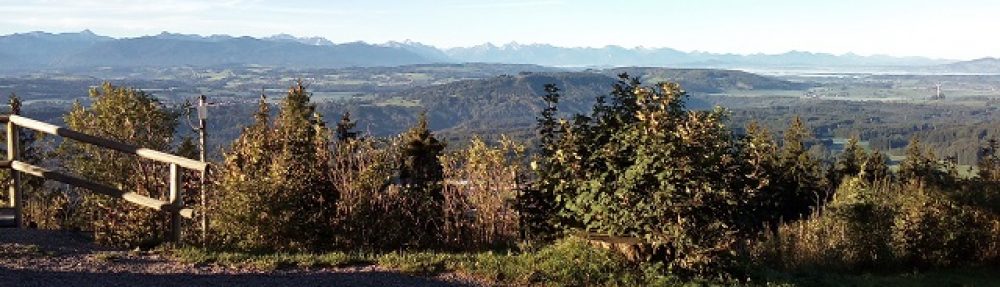

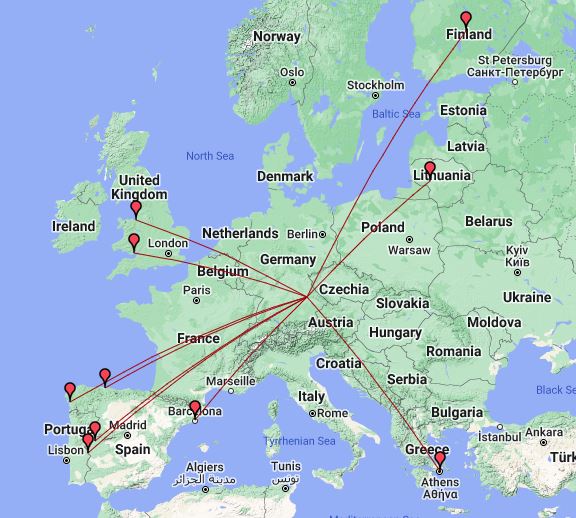


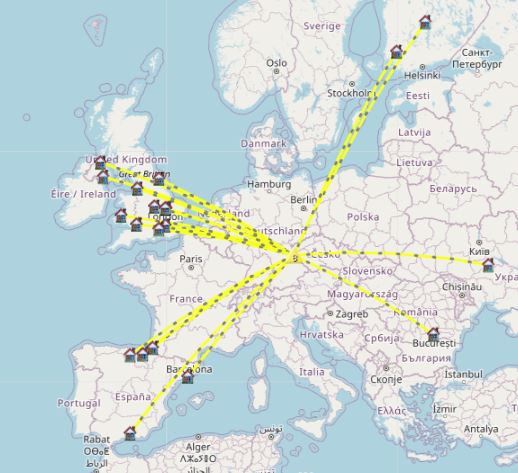

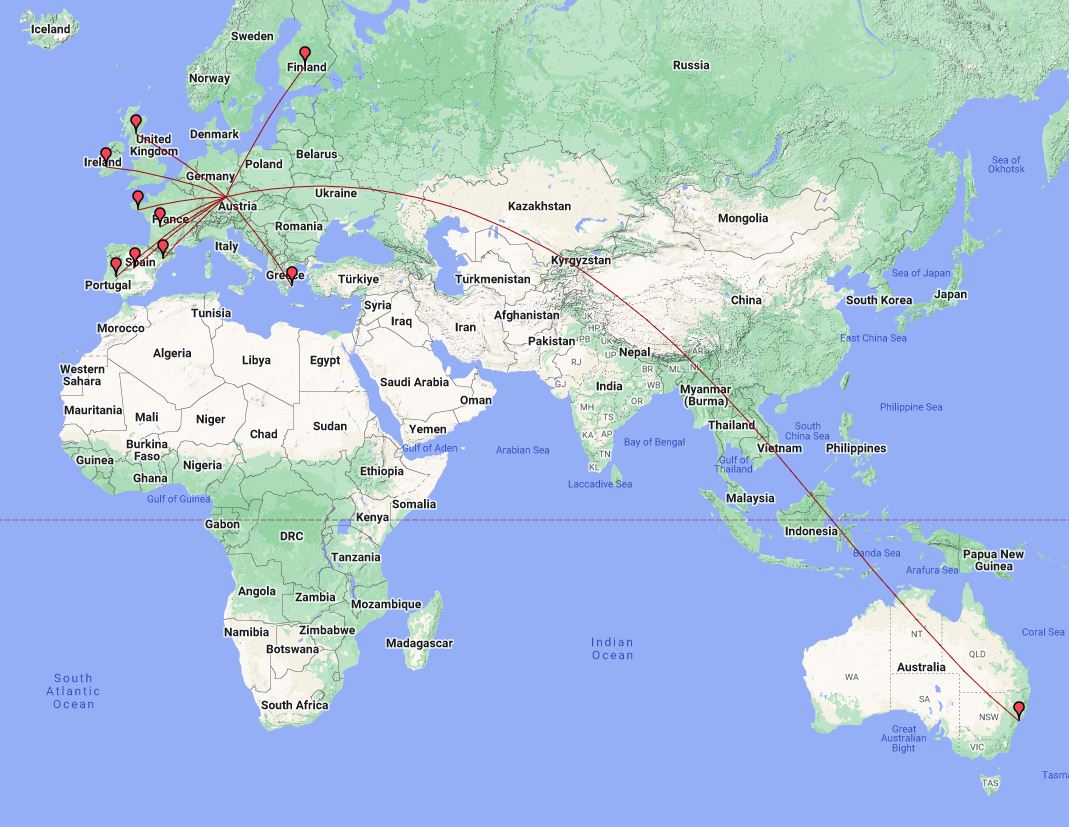


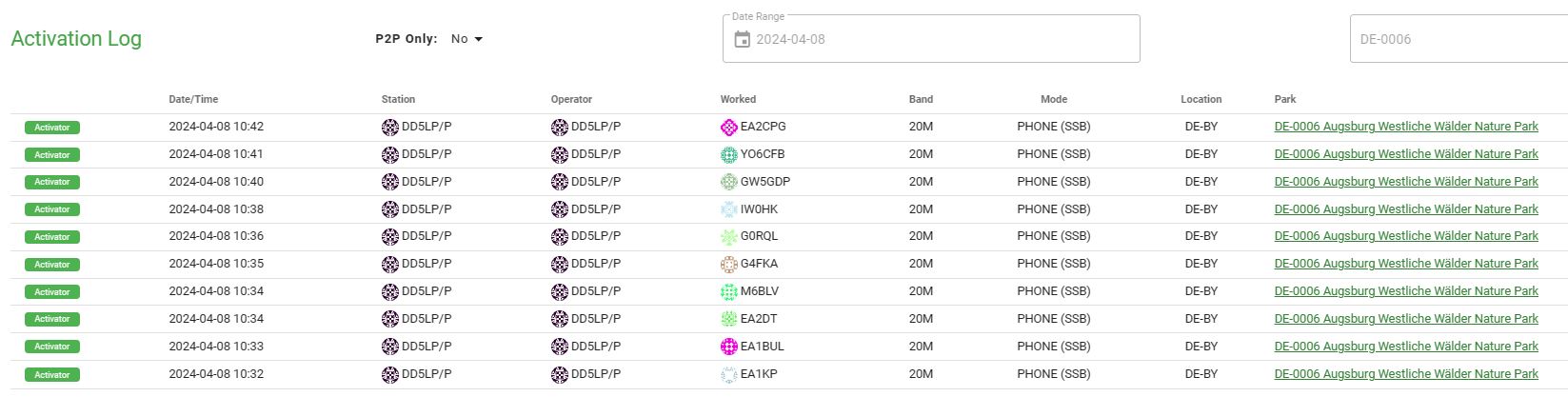
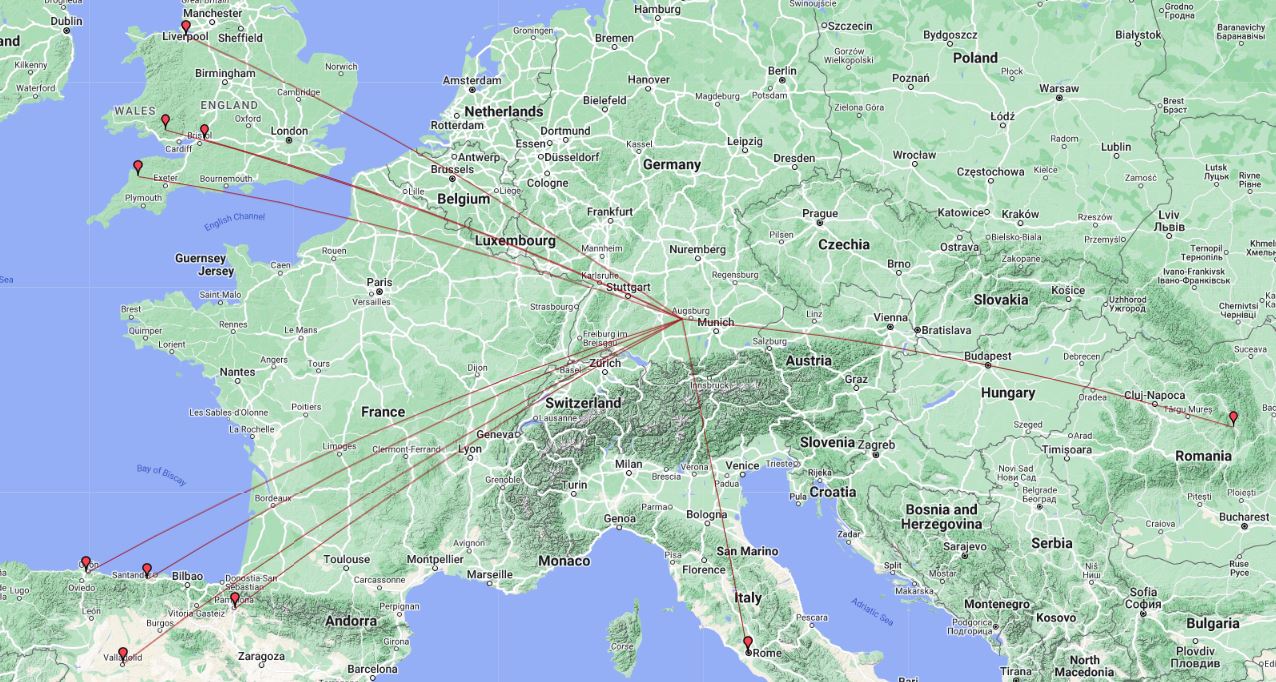

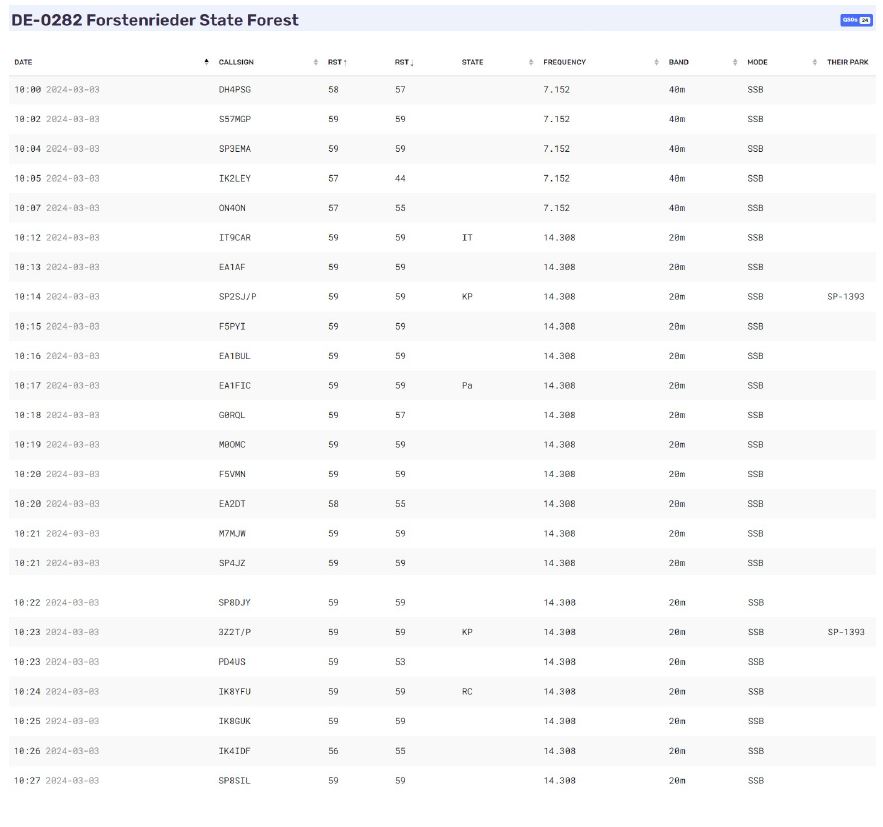

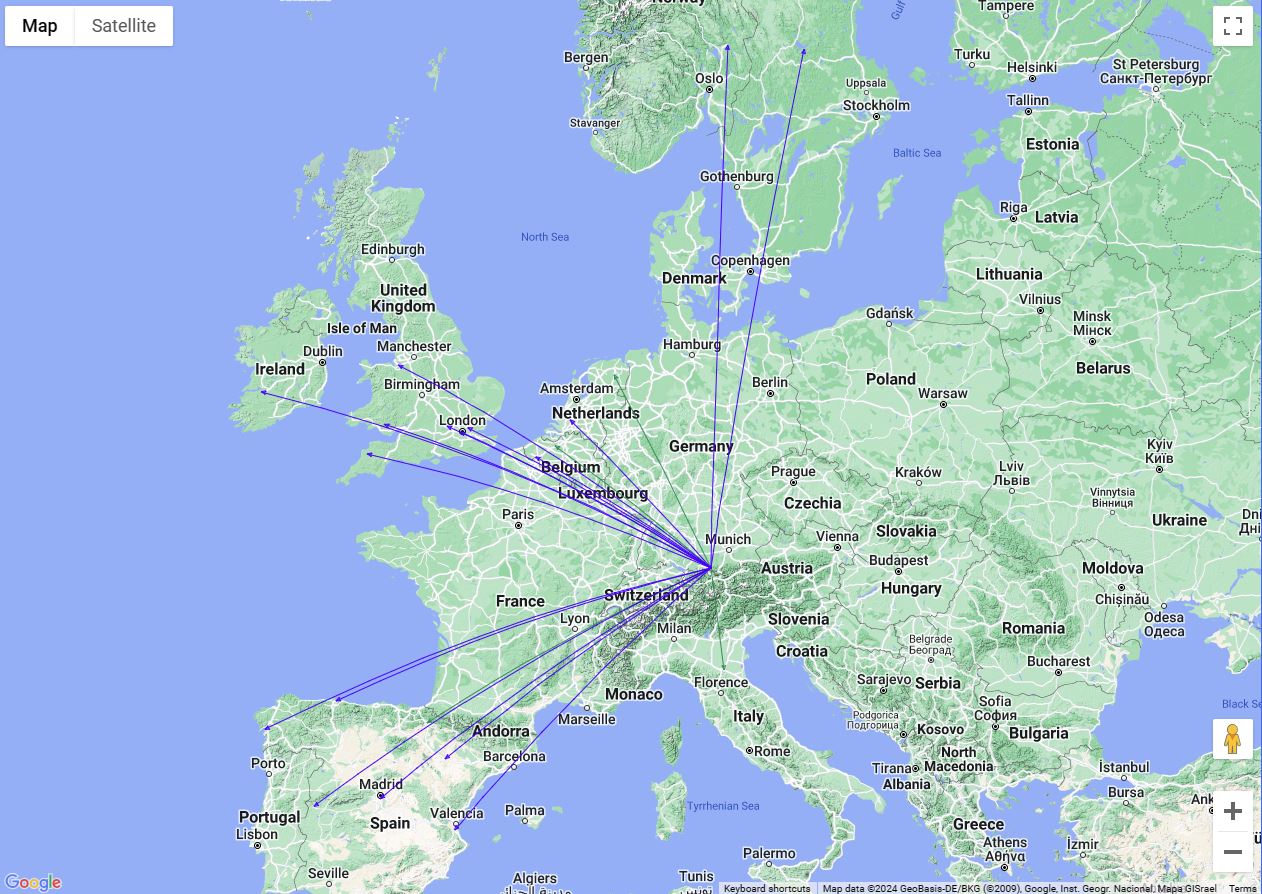
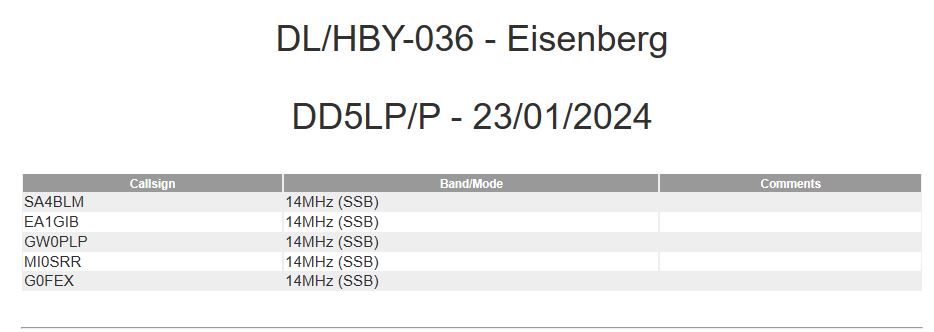

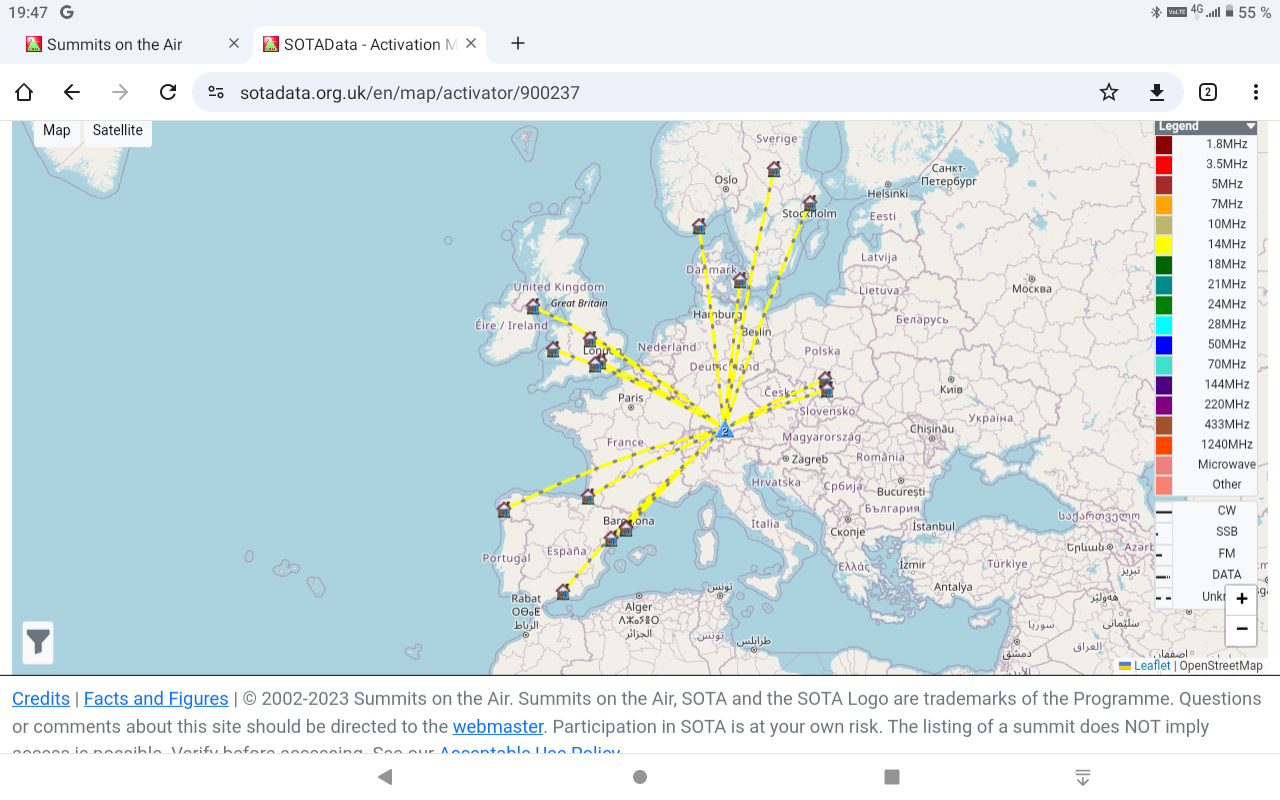

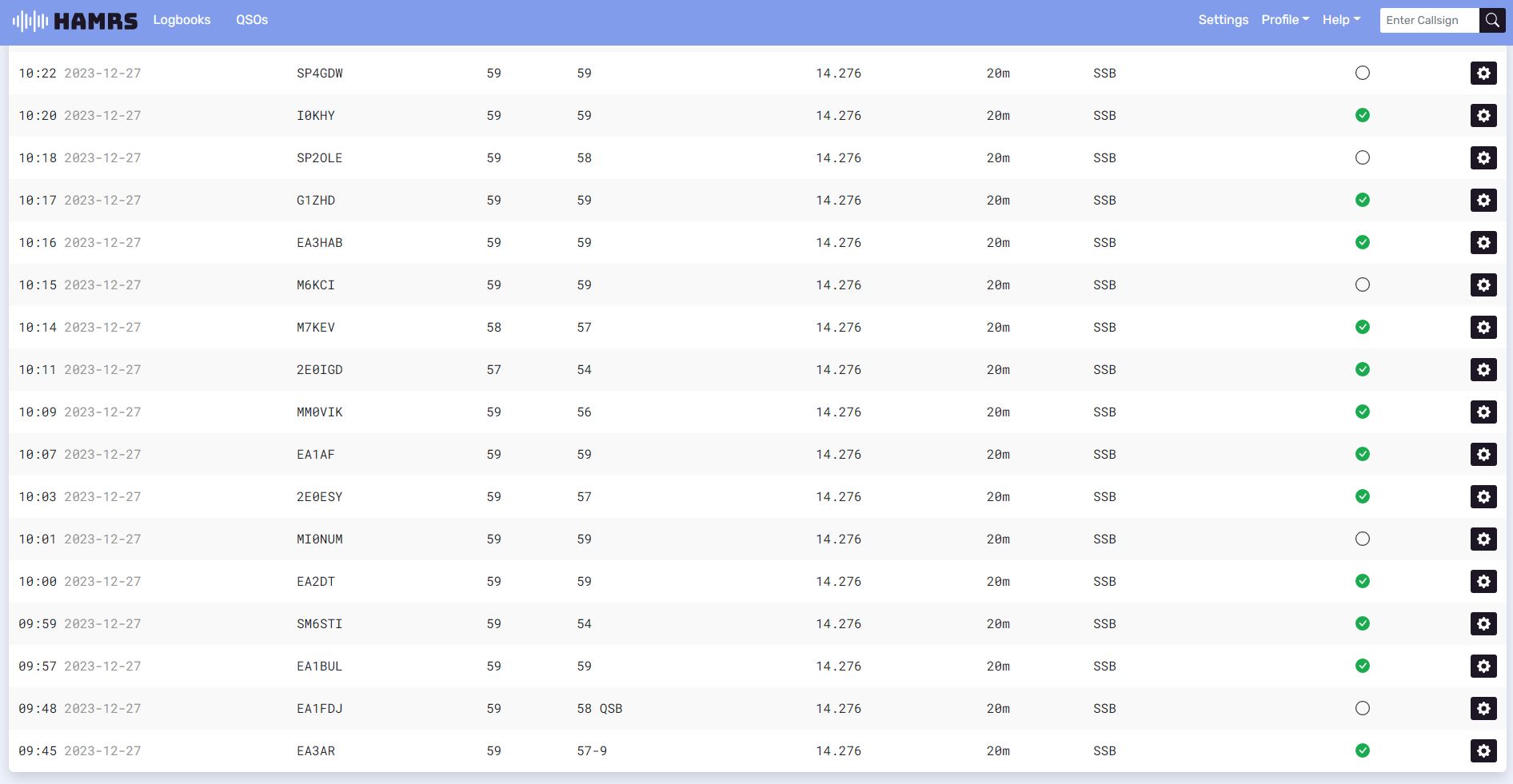


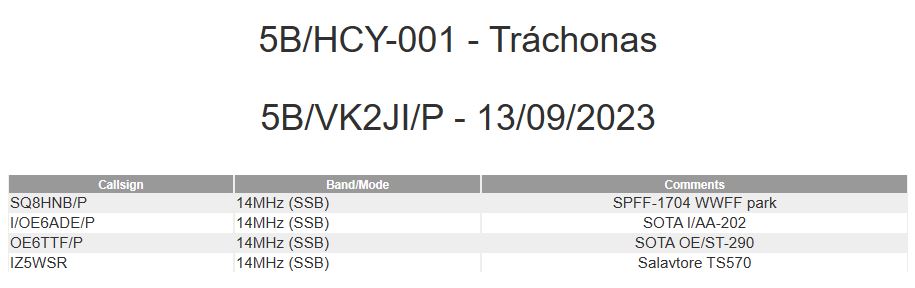


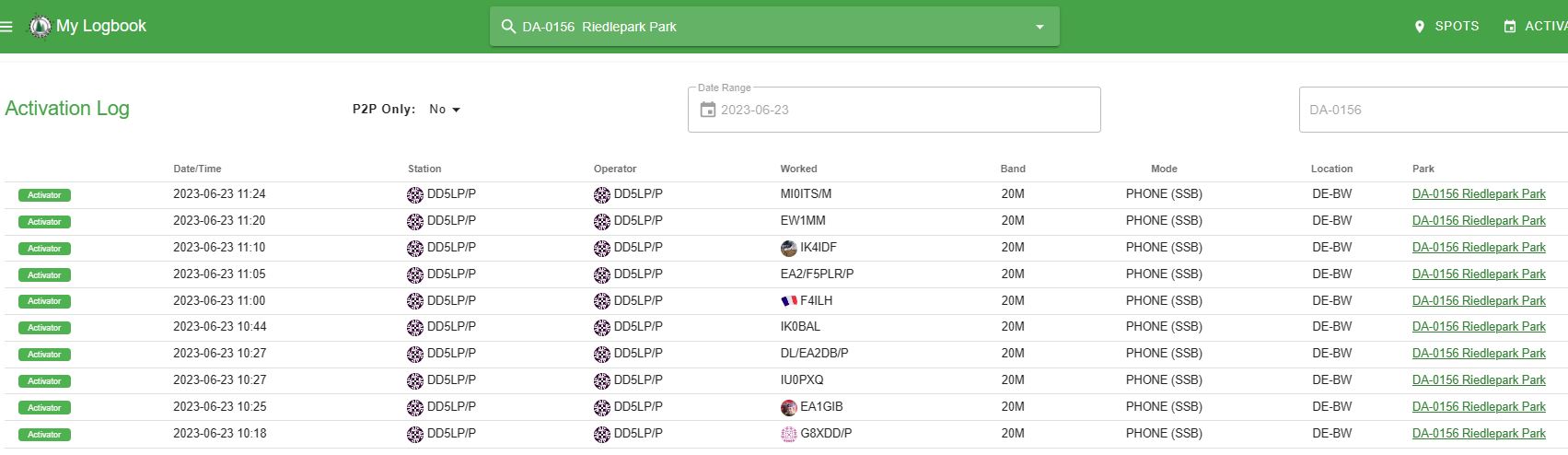


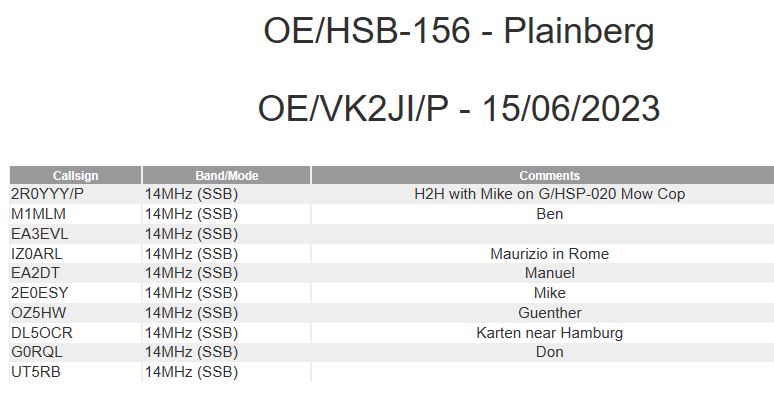

 DD5LP / G8GLM / VK2JI blog
You must be logged in to post a comment.