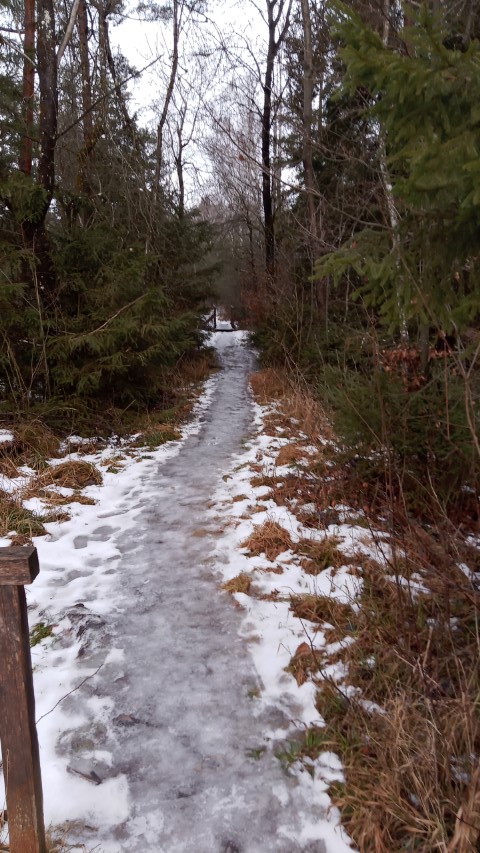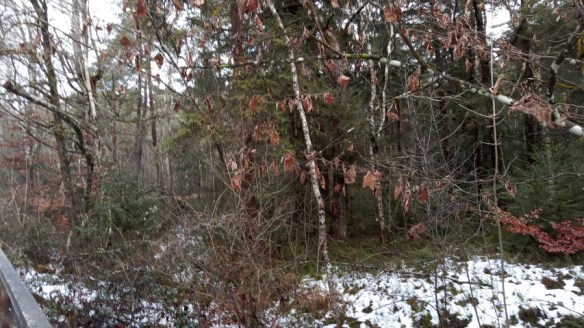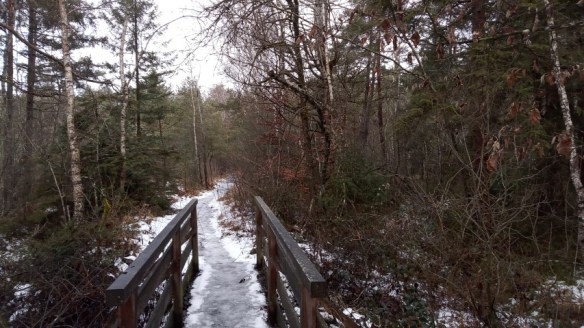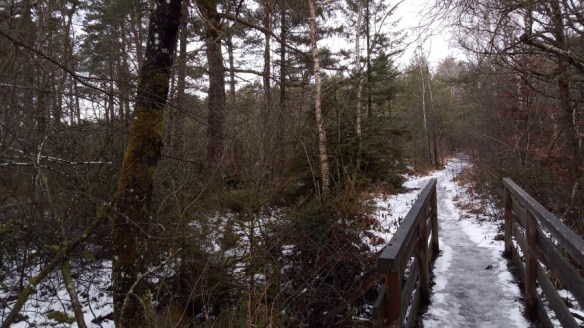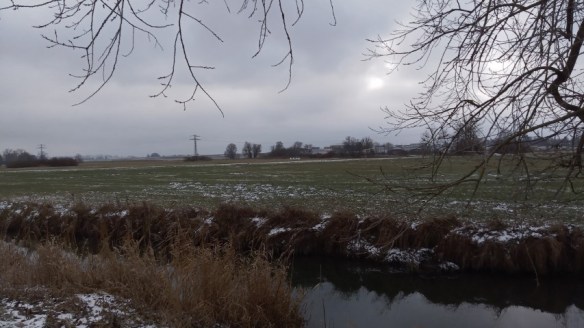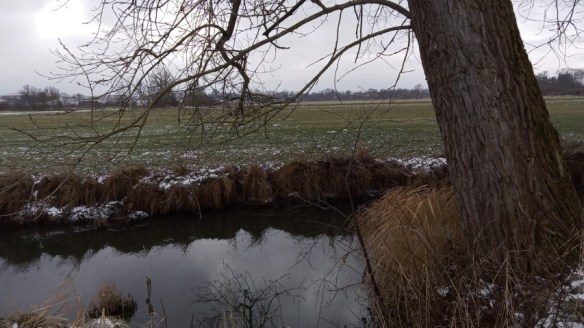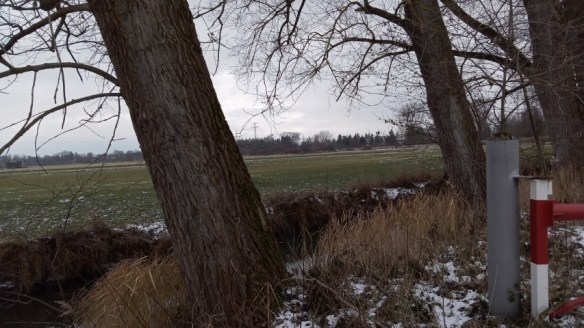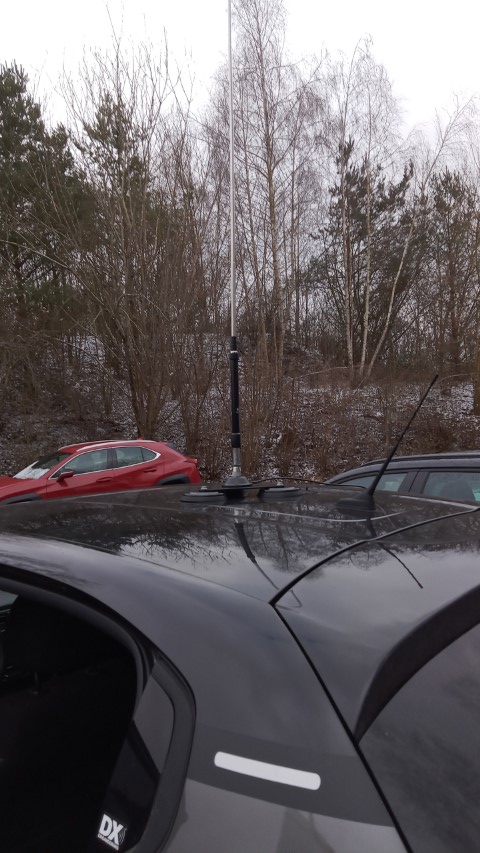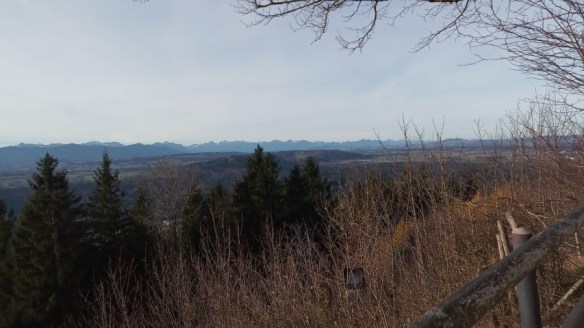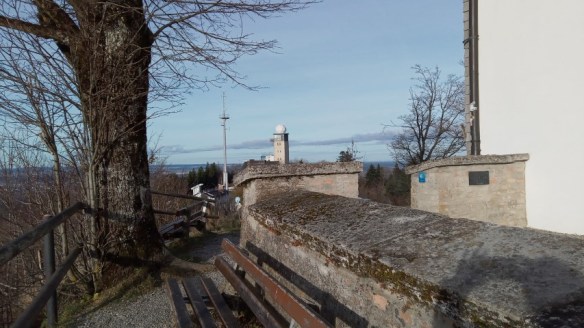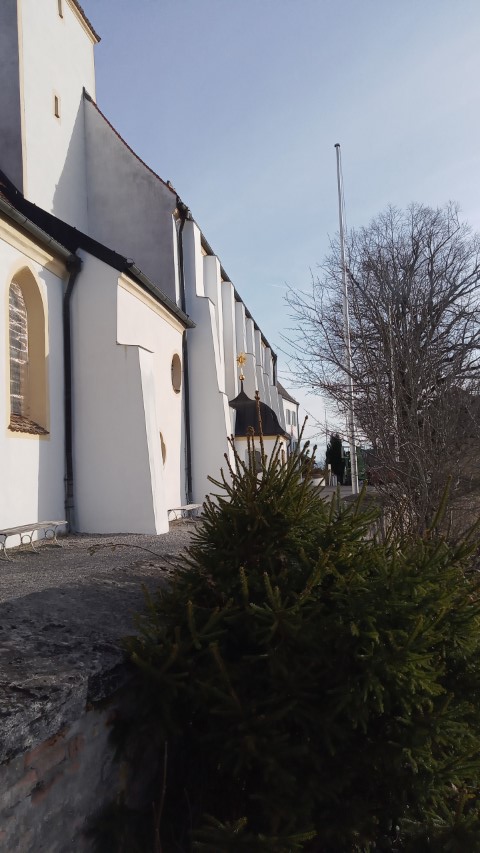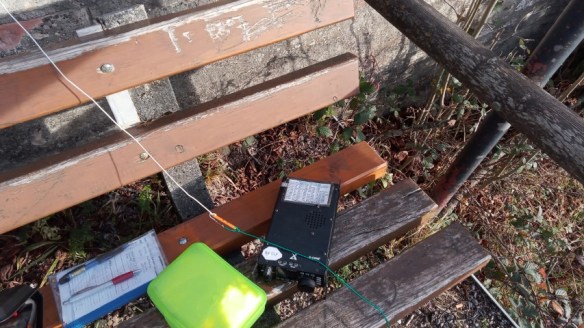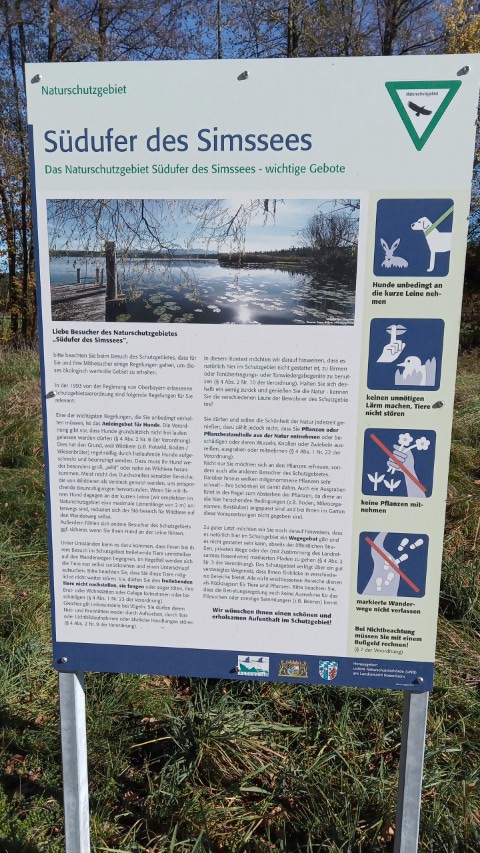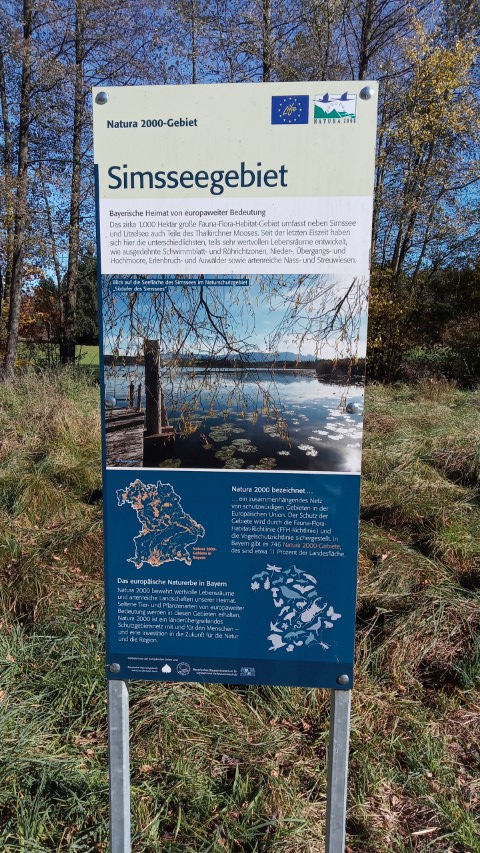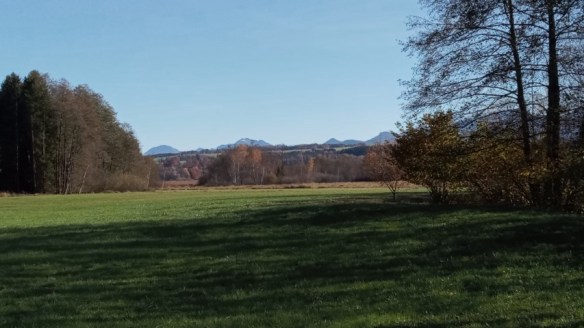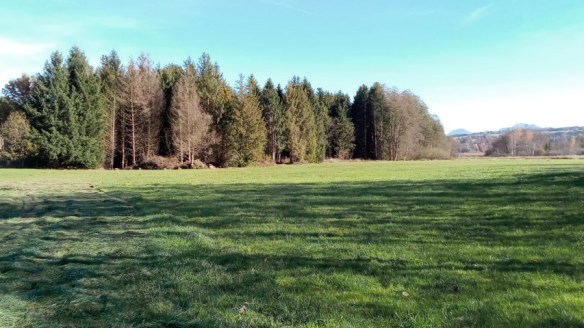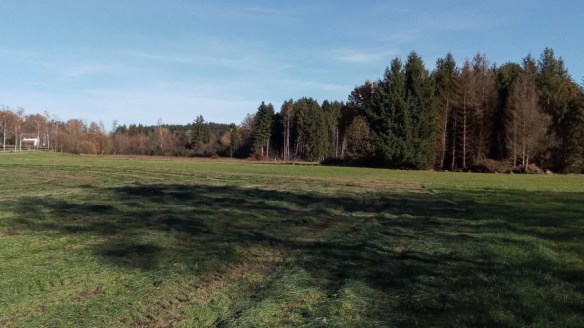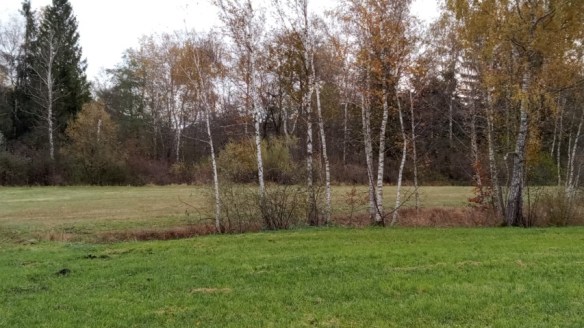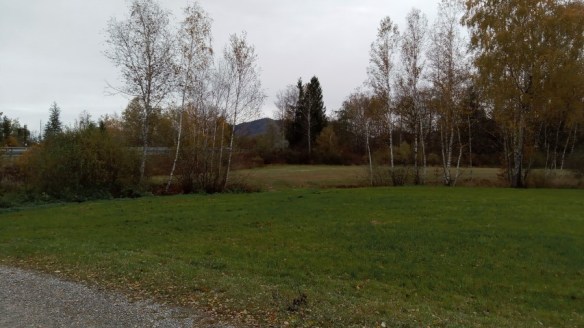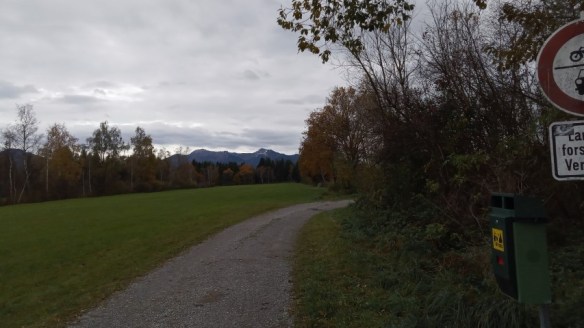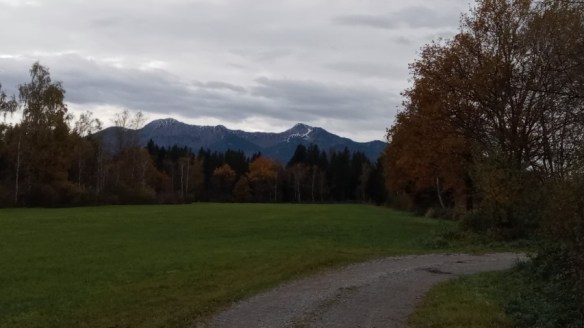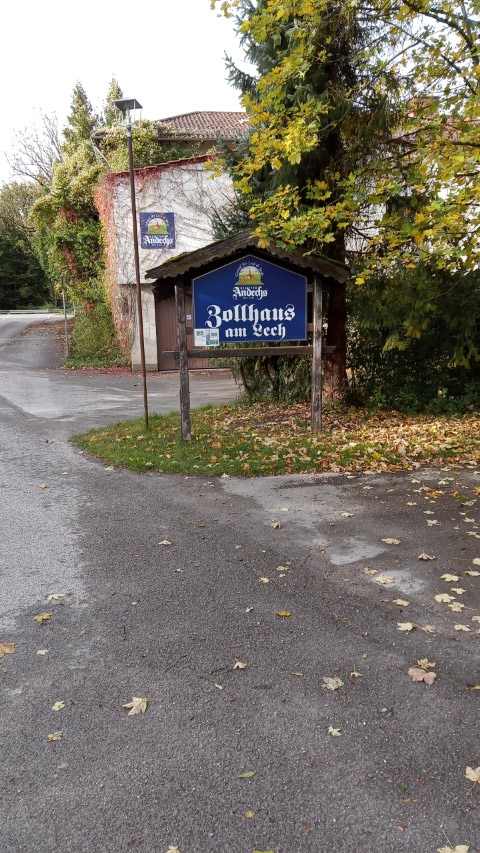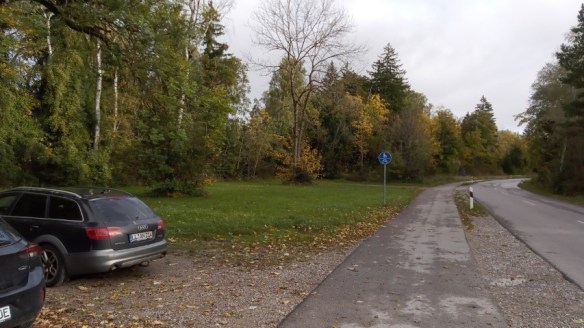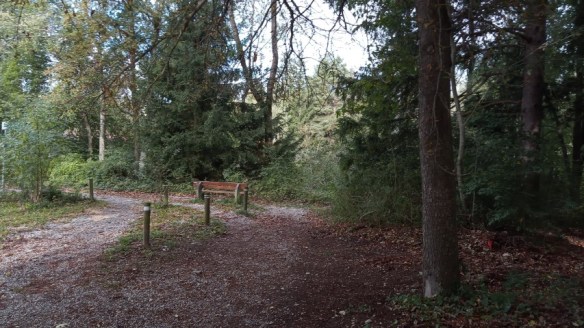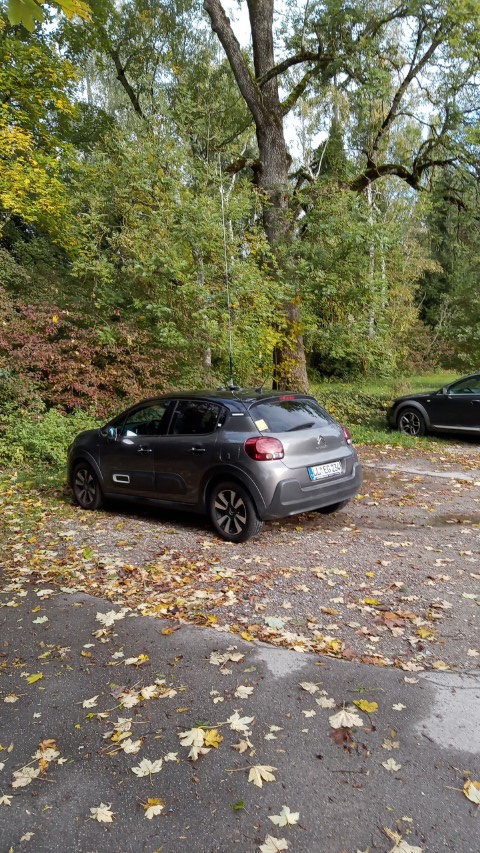
DD5LP/P – January 13th 2026 – Activation of DE-1136 Haspelmoor and 4-fer POTA (near Konigsbrunn) – DE-0466 0942 0968 1056 and DE-00905

Preparation:

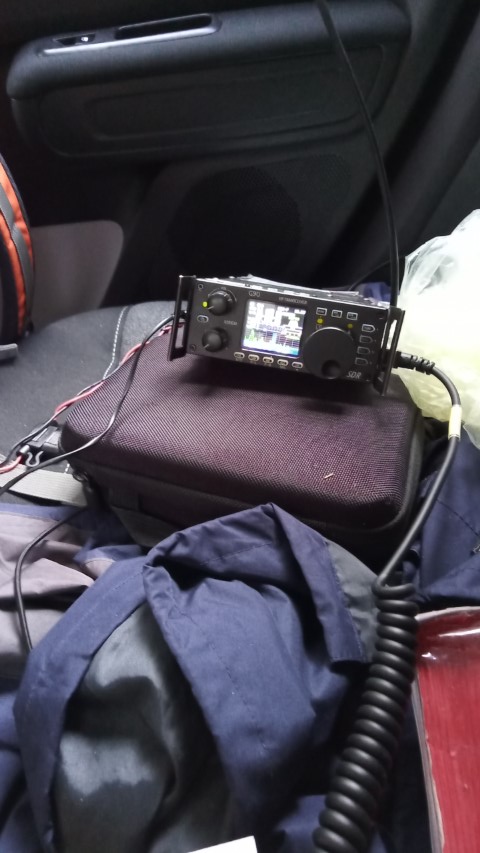
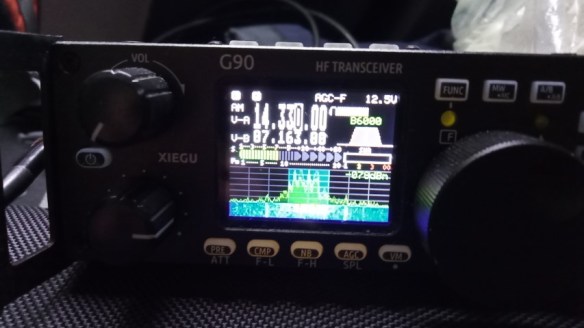
This was another “fill-in” activation after dropping my wife off at her Physio rehab centre. A week earlier, I had tried to activate Haspelmoor, made one contact and then the radio failed on me, first with high VSWR on speech peaks and then with a “COMMUNICATION LOST” error between the head unit and body of the radio, even though they are bolted together, and no firmware upgrade has been performed on one half and not the other.

On getting home, the radio worked perfectly, and I was unable to recreate the issues. This activation, therefore, was to see if I could find the fault under EXACTLY the same circumstances (I packed a second radio as backup in case the problems reoccurred).

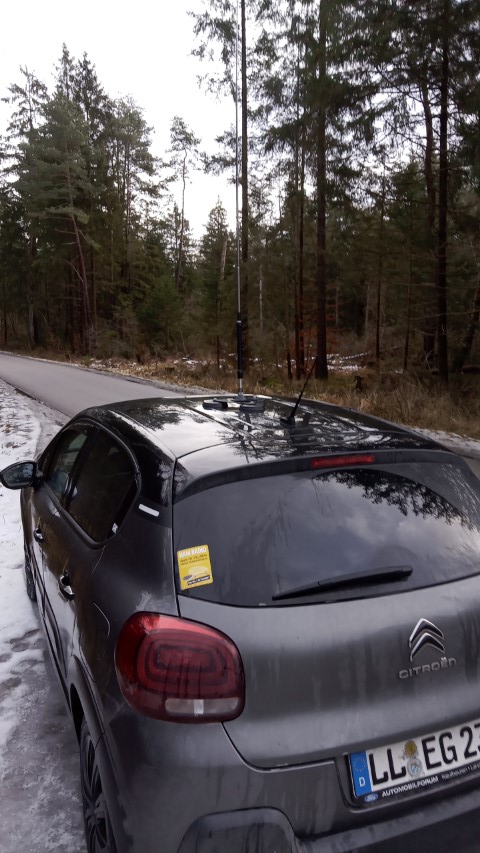
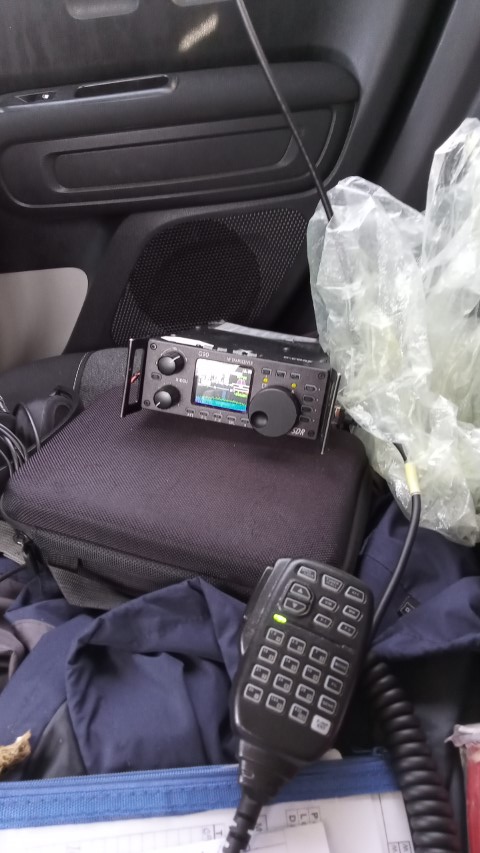
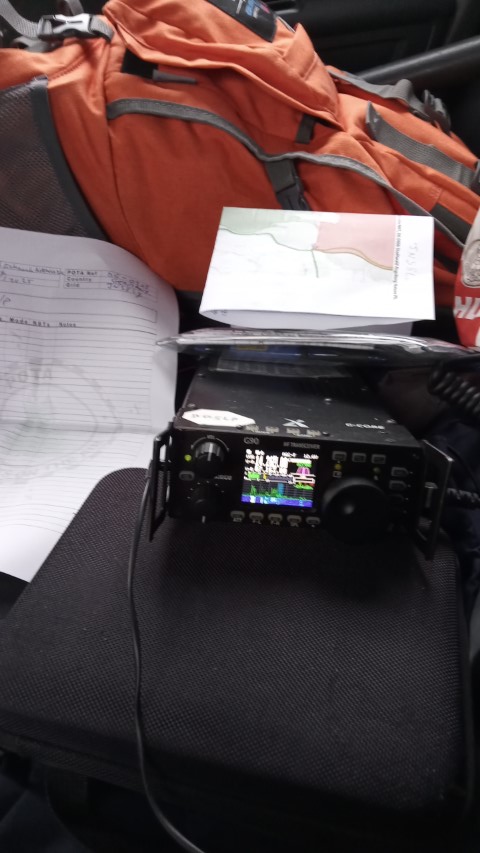
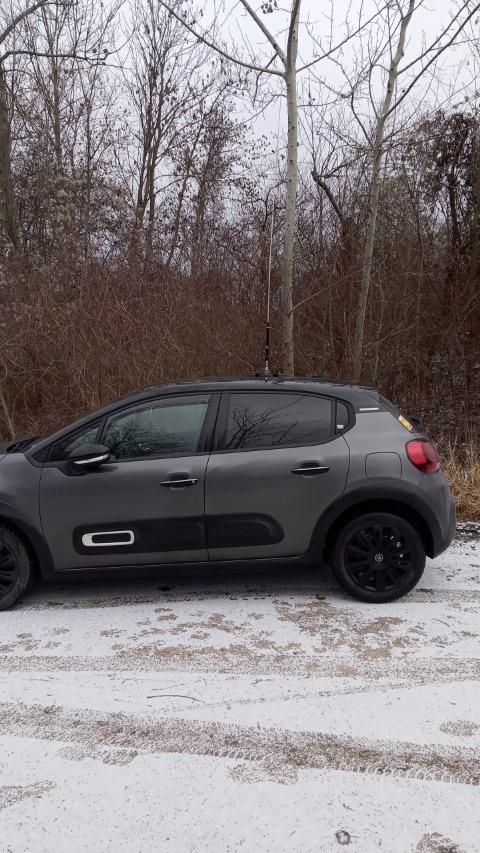
I had several hours for the activation and a chance to get lunch at the only open restaurant in the area (Tuesday’s most restaurants are closed). As it turned out, I had plenty of time to also activate the “4-fer” that I had activated in December, as it was on the route back to my wife’s physical rehabilitation centre. We have just come out of 2 weeks of sub-zero temperatures, but the ground is still frozen and partially ice-covered, so this meant that the activations would again be “PLOTA” activations from within the car, only stepping out to attach or adjust the HF-PRO2 antenna.

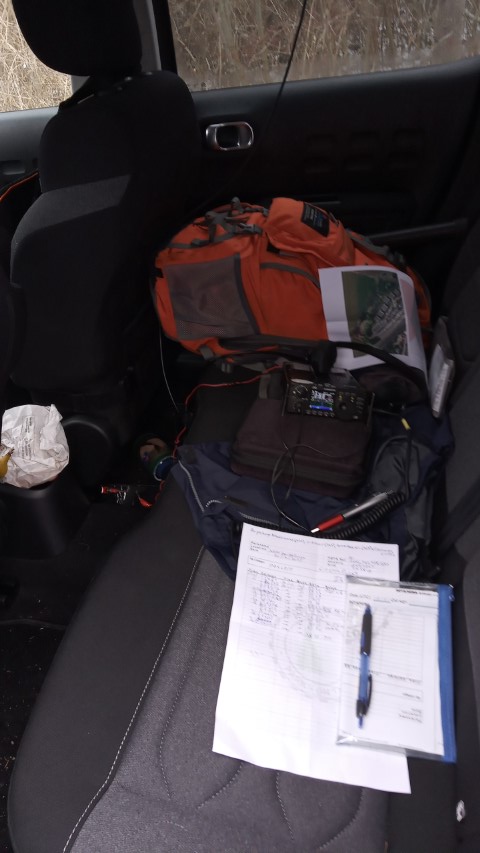
As usual, all radio gear was put ready in the car the day before, for this PLOTA.

The Activations

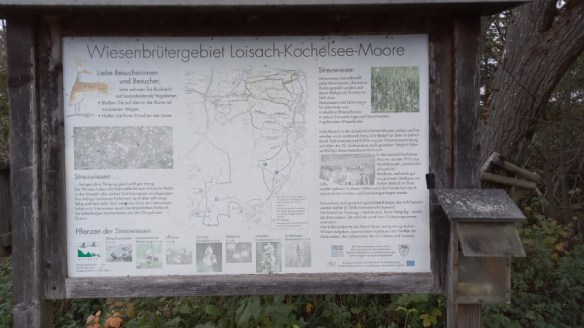
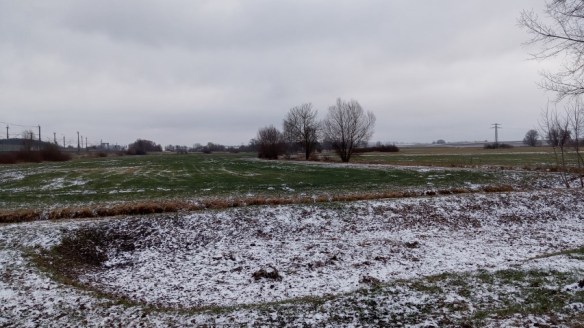
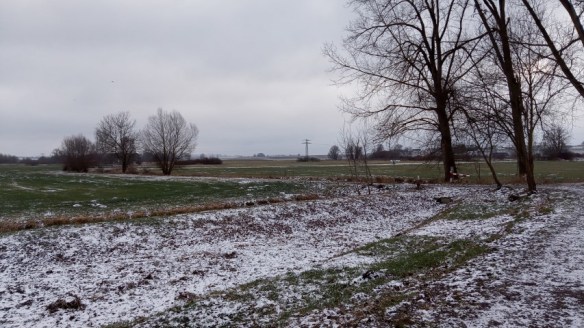
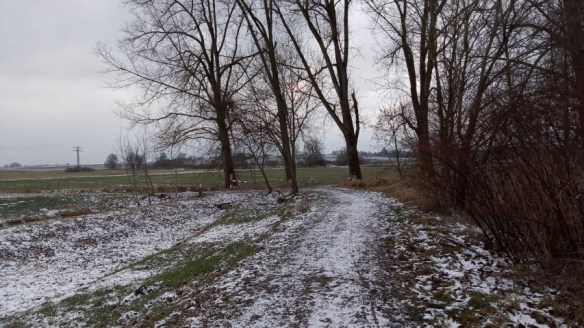
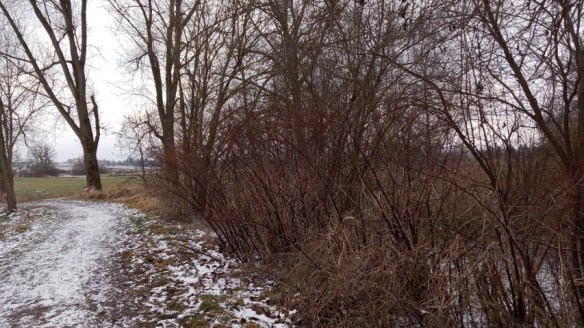
POTA DE-1136 Haspelmoor Flora and Fauna reserve

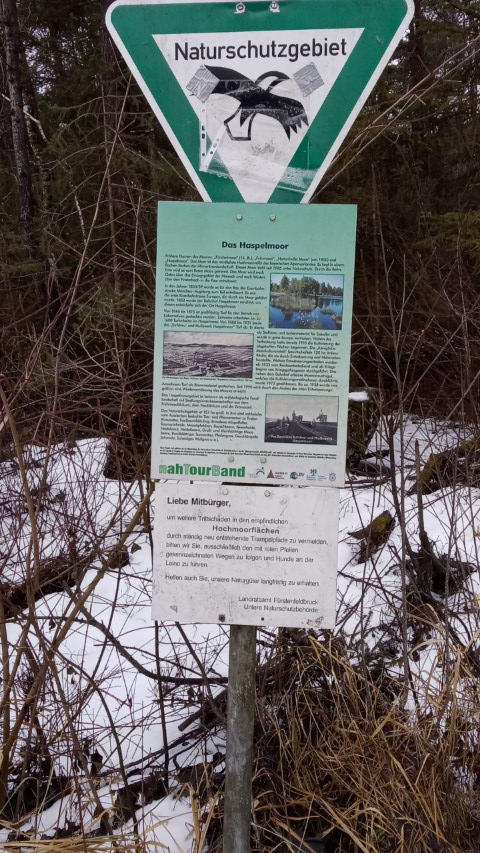
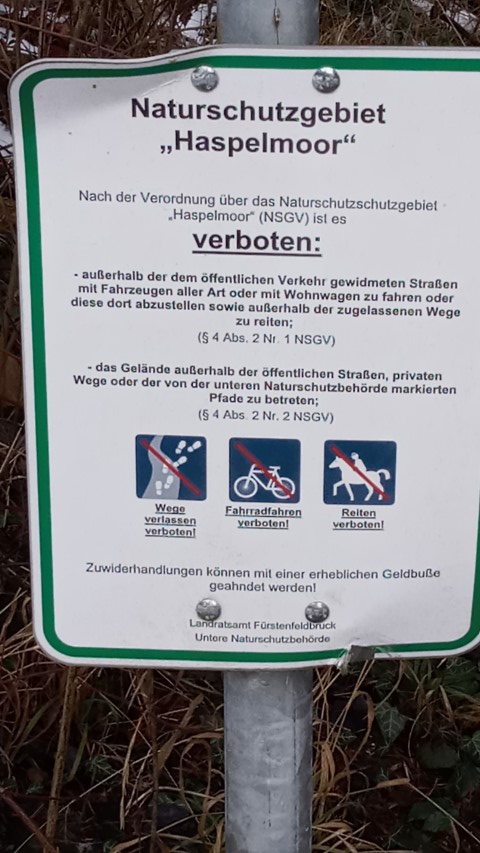
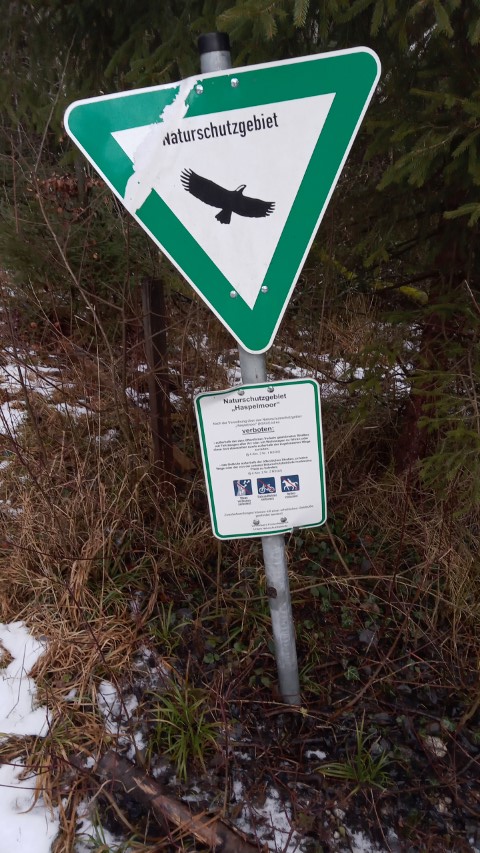
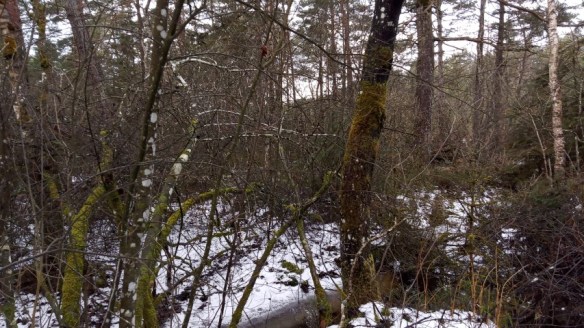
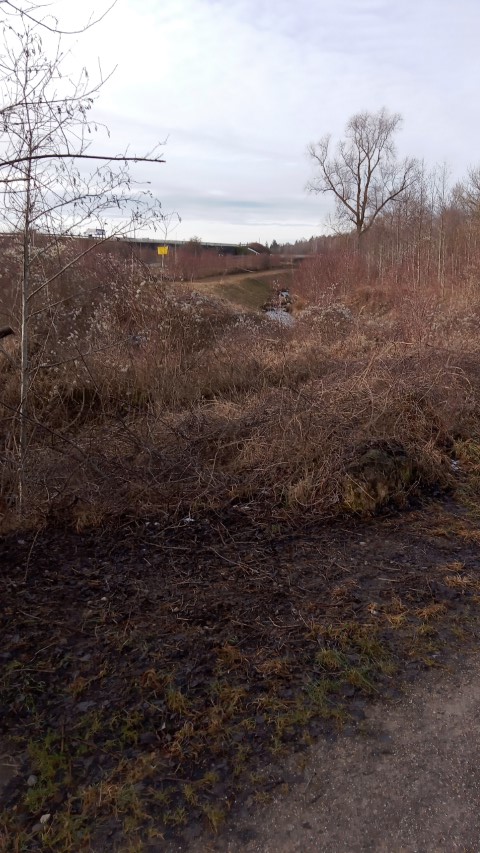
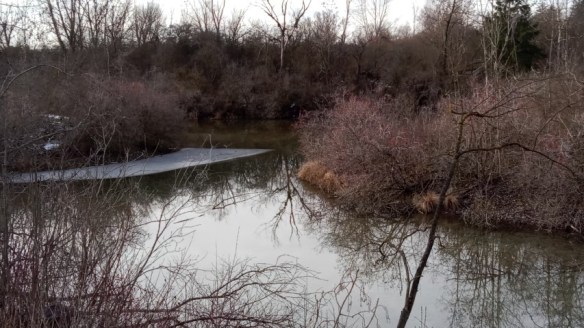
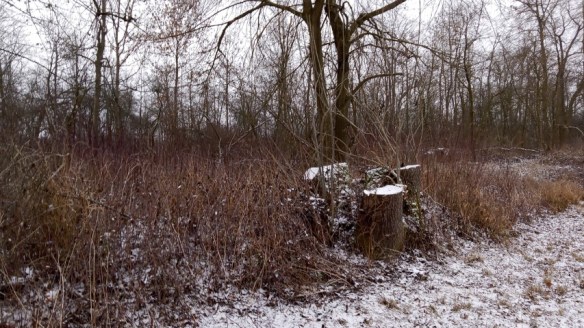
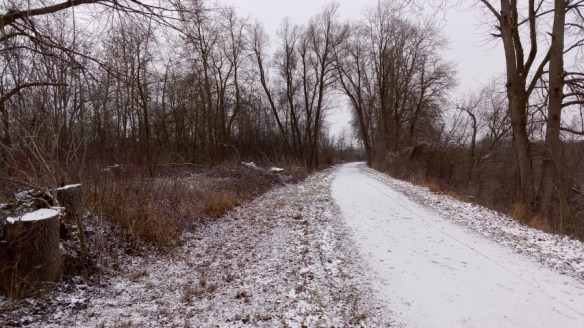
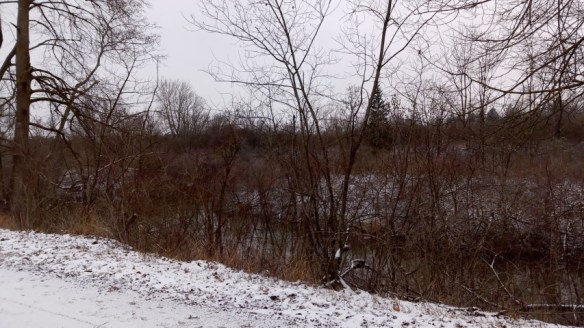
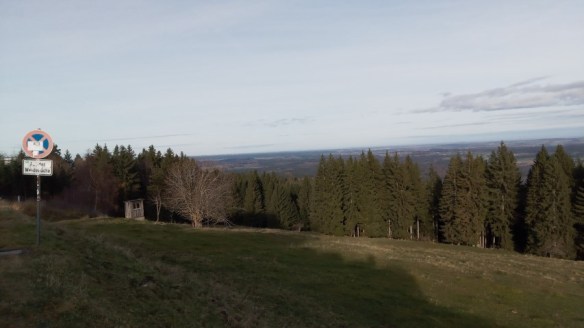
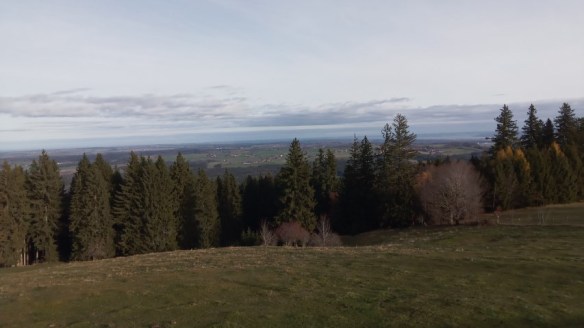
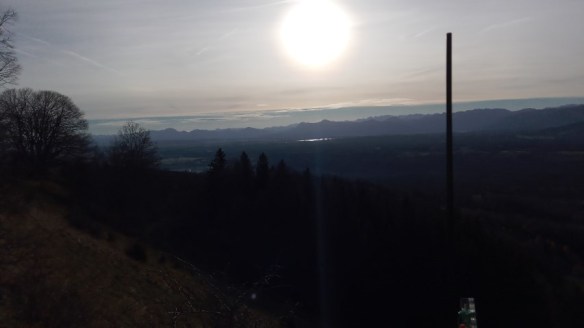
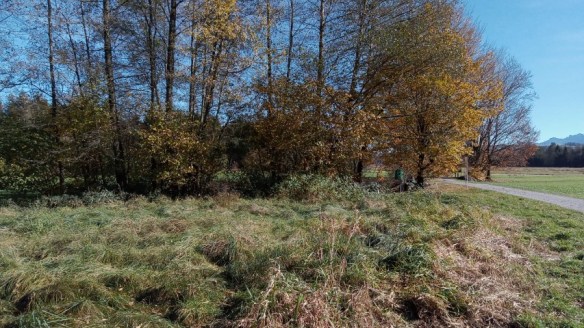
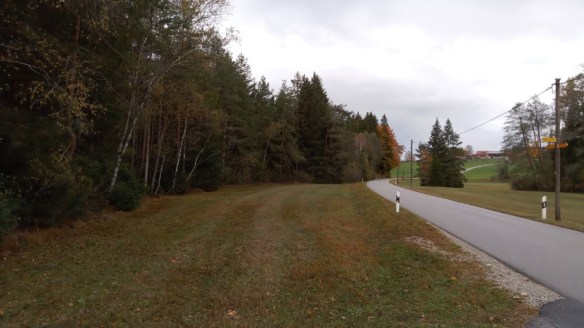
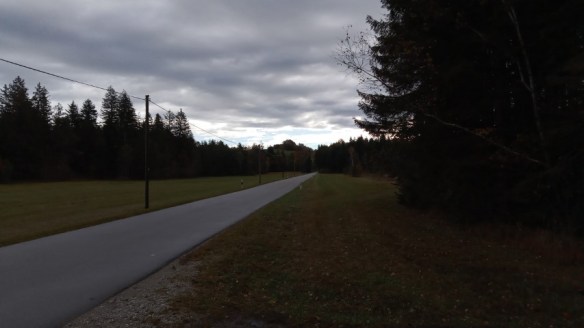
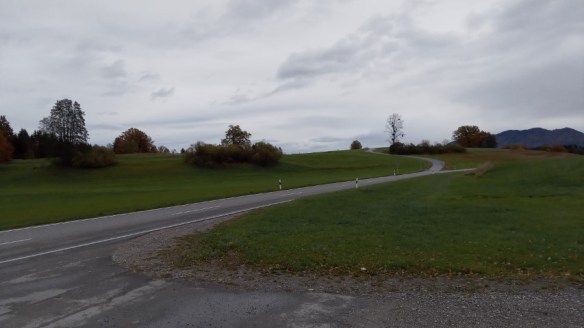
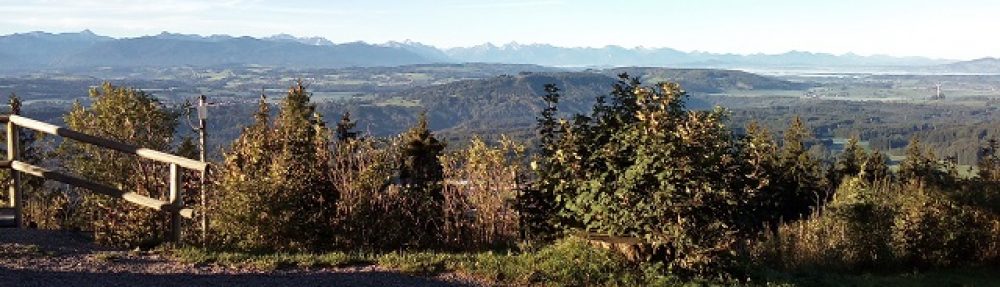
After dropping my wife off, having driven the route the previous week, it was a clear run down to the same parking spot next to a strange metal (artistic sculpture?) construction as last time in the forested Haspelmoor.

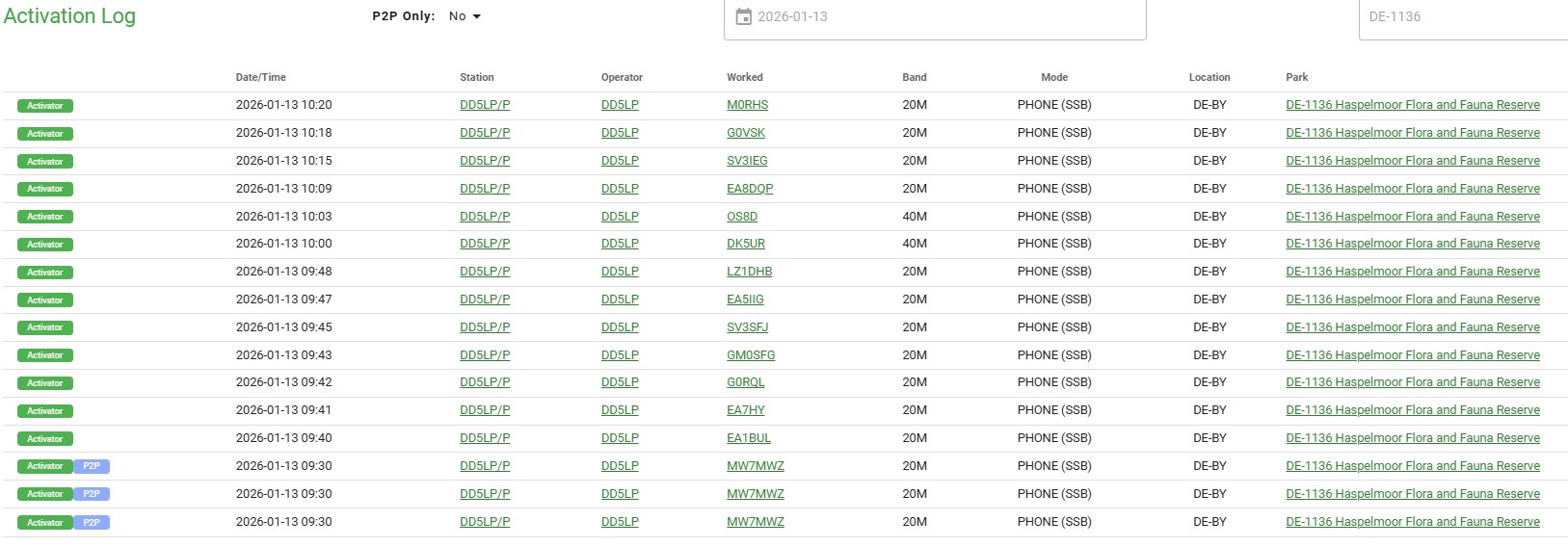
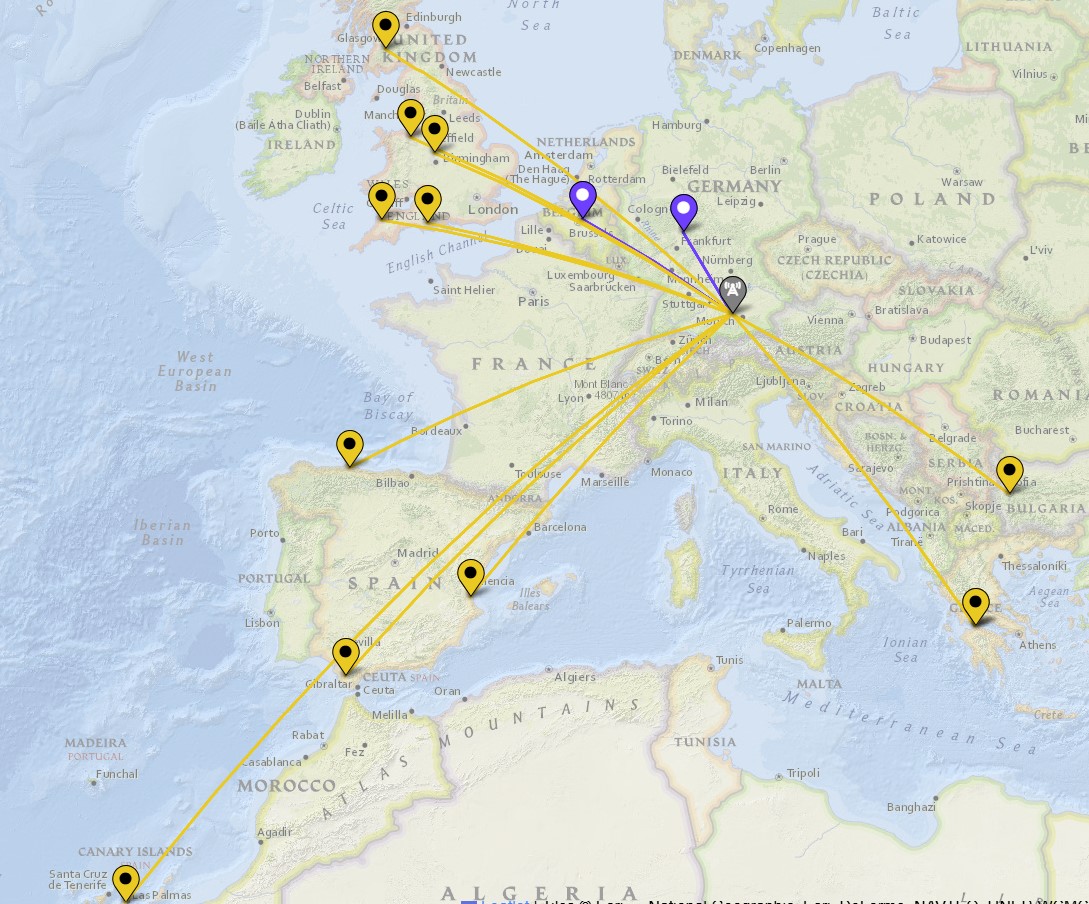
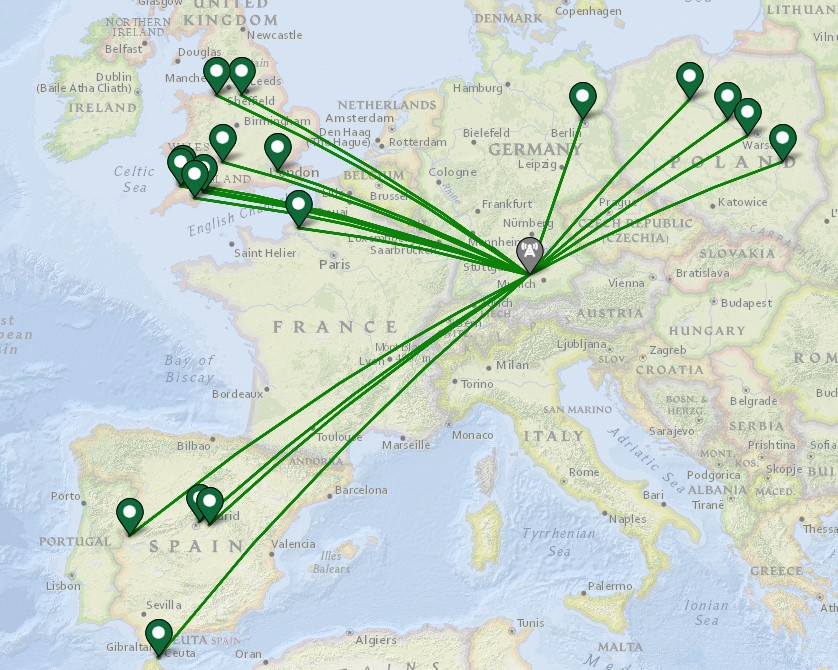
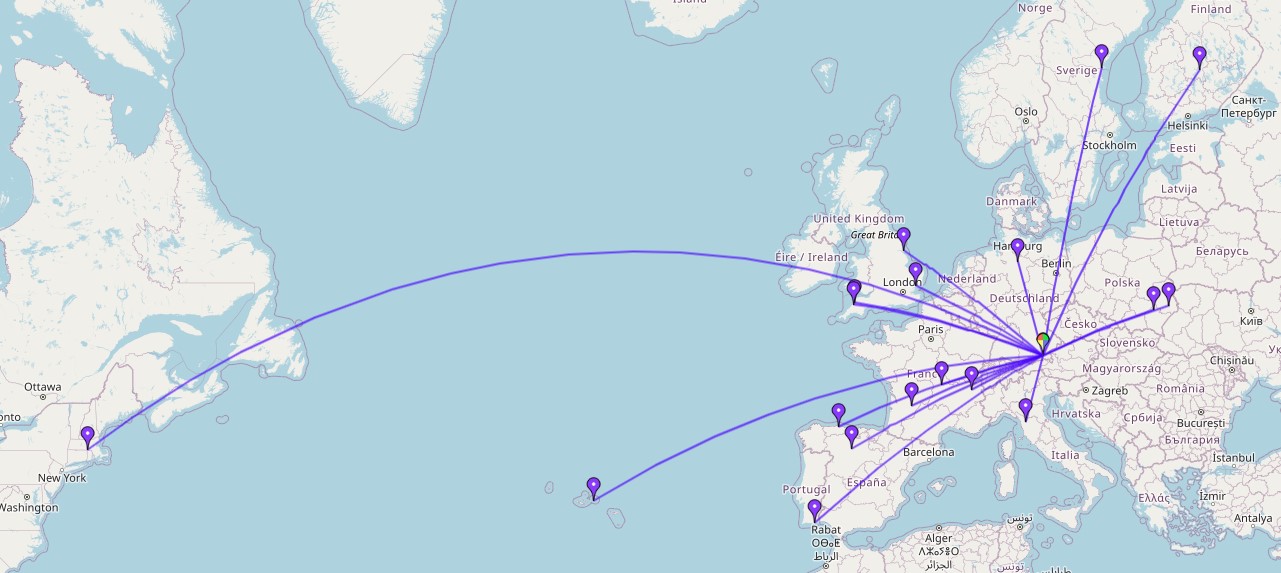
I started on 20 metres, catching one P2P contact into Wales where the activator was in a 3-fer POTA location. Following this a spot in POTA and calling CQ brought in 7 strong calls but thene the well known military digital QRM (OTHR) started wiping out the top of the band. Trying to find a clear frequency on 20m to QSY to was impossible as there was a contest on (normally contests are only allowed on weekends and this was a Wednesday). It turned out later that the increased contest activity were participants in the WWA “World Wide Award” which was running every day in January. It seems that by calling it an “award” rather than a contest, the organisers decided they could run it on weekdays aswell. It certainly has increased activity on the HF bands, but of course, for low-power portable stations, this is very bad news.

So to get away from both of these types of interference, I decided to move to 40 metres. Up to this point, the radio had operated perfectly, so I was starting to think the testing purpose of the activation might come to nothing. Conditions on 40 metres were not good; in this case, the atmospheric noise was high, and it took over ten minutes to just get 2 contacts. However, at this point, I started to see the High SWR on speech peaks problem again and had an idea. I changed the setting on the loading coil on the antenna just a little, to move it away from my calibrated position and then, while the base SWR after running the AATU sat a little higher, I no longer got the sudden high SWR peaks that I had been seeing.

I decided to switch back to 20 metres to get a few more contacts before driving to the restaurant for lunch. Dour more contacts followed in the next 10 minutes before I went QRT.

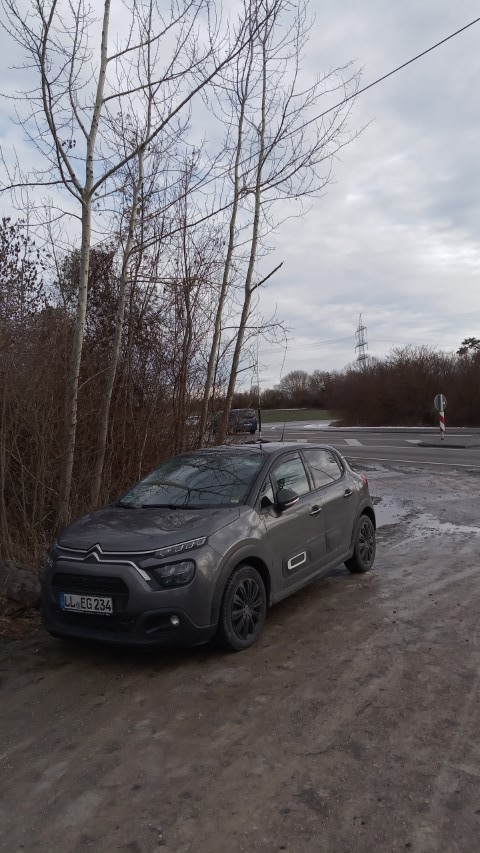
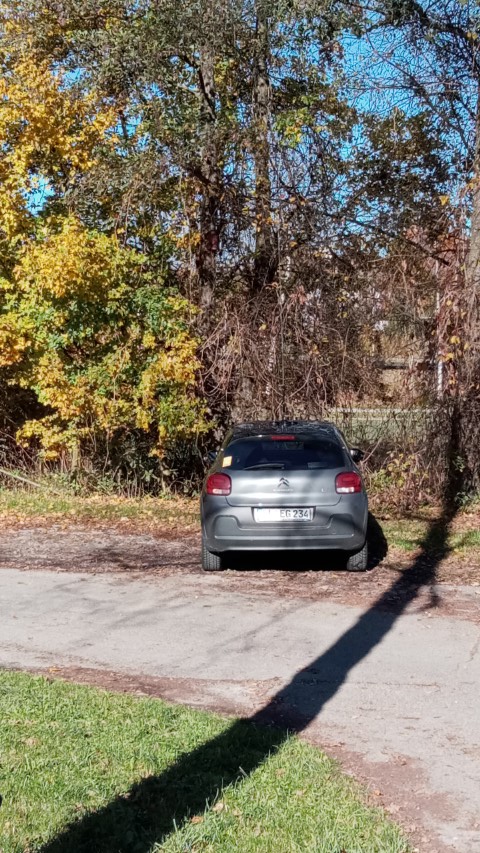
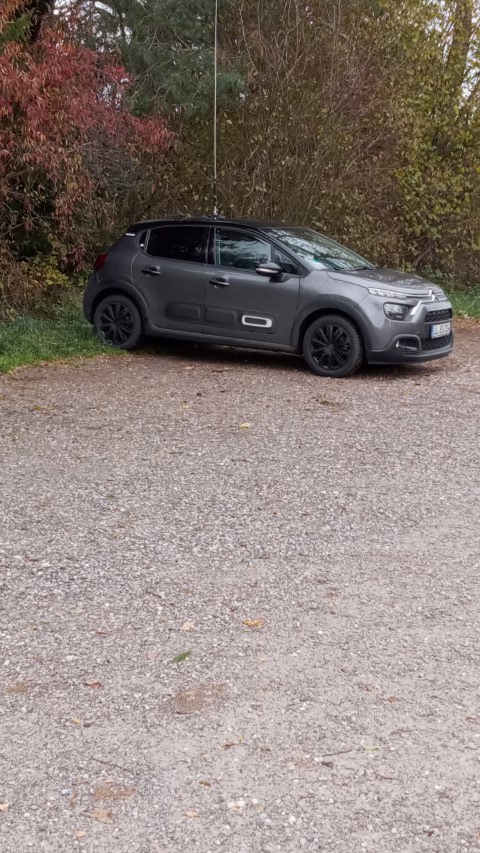
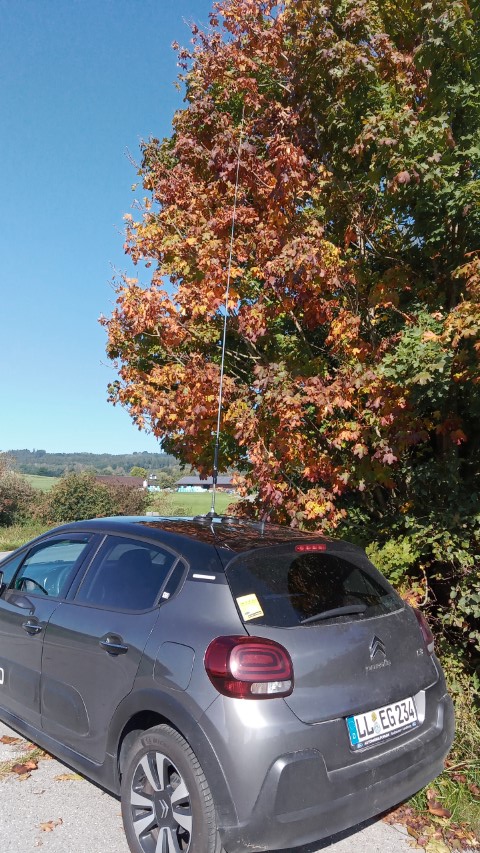
Regarding the high SWR on 40 metres, at the time, I wasn’t sure why this was happening. Perhaps the antenna’s adjustable coil was wearing out (I have had the antenna at least 8 years) – Perhaps the 3-magnet base?? At least I had a temporary fix for the time being. Later, at home, I think I may have the answer … The calibrations that I made with the antenna were with it on top of our Peugeot car. In the meantime, we have changed to a similarly sized Citroen car, and the actual “ground plane area” and type of steel, the magnetic mount is sat on, could easily give a different ground plane to the antenna. On the higher bands, the ground plane has a lesser effect than on the lower bands, such as 40 metres. It could be that I just need to recalibrate the antenna scale settings on the new car’s roof!

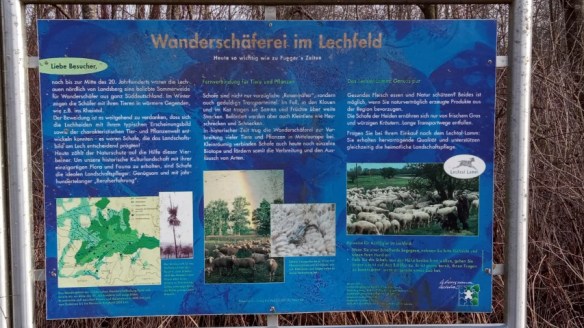
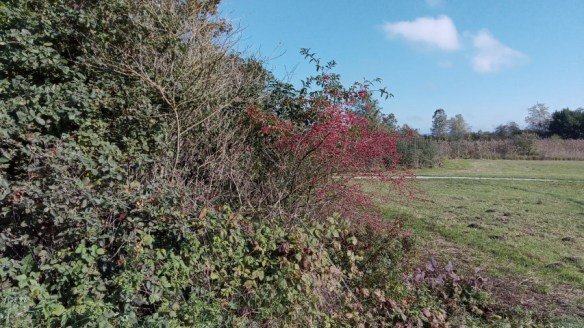
POTA DE-0466 Augsburg Statswald/DE-0942 Via Julia NHT/DE-0968 Romantische strasse/DE-1056 Lechauen

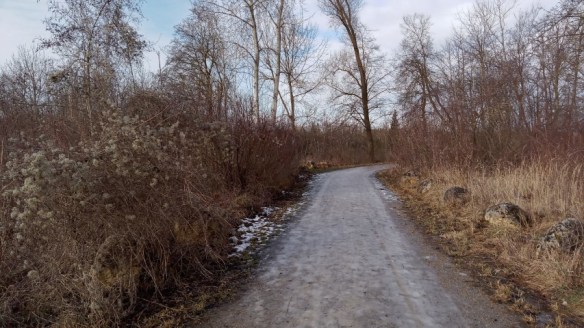
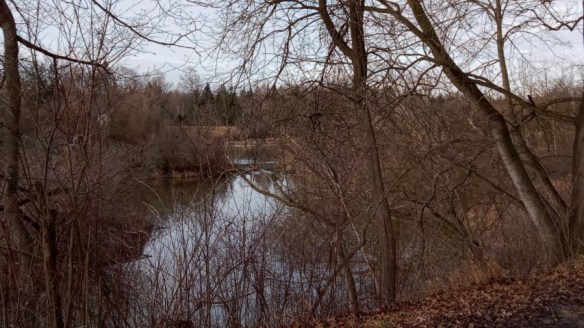
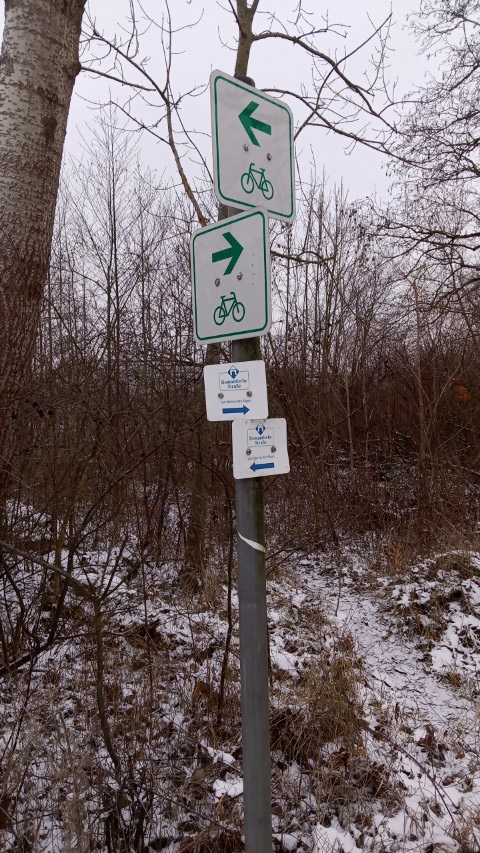
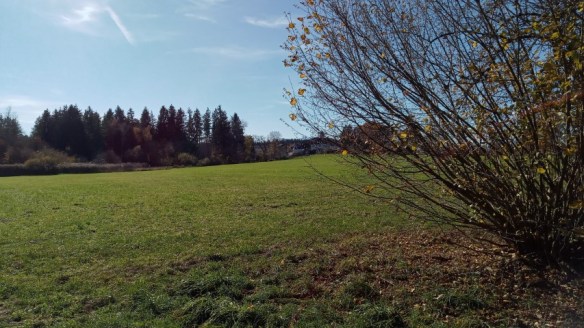
After lunch at a really old-fashioned German restaurant, I saw that I still had nearly three hours of free time before I would need to pick up my wife, so I decided to activate this convenient “4-fer” location on my way back in the direction of the Reha.

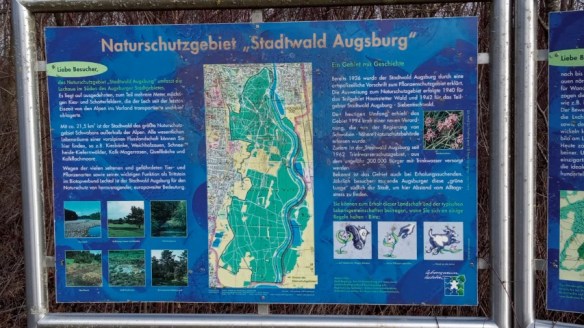
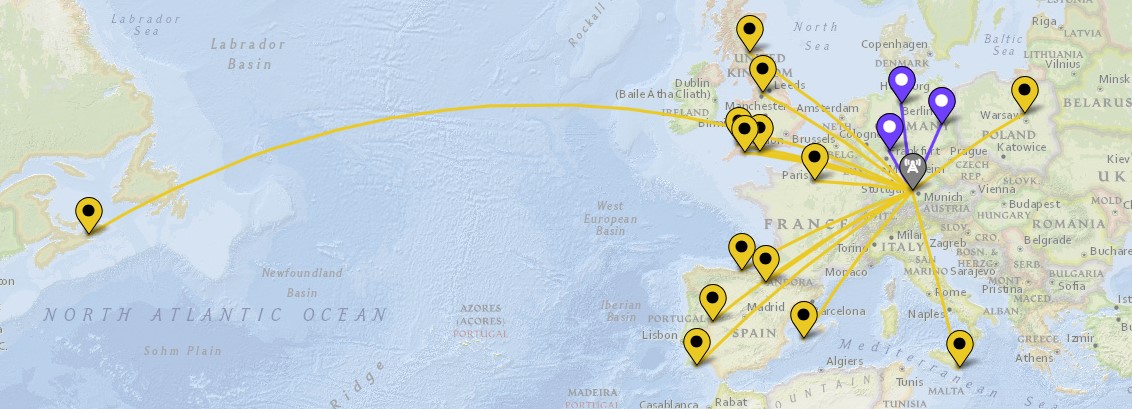
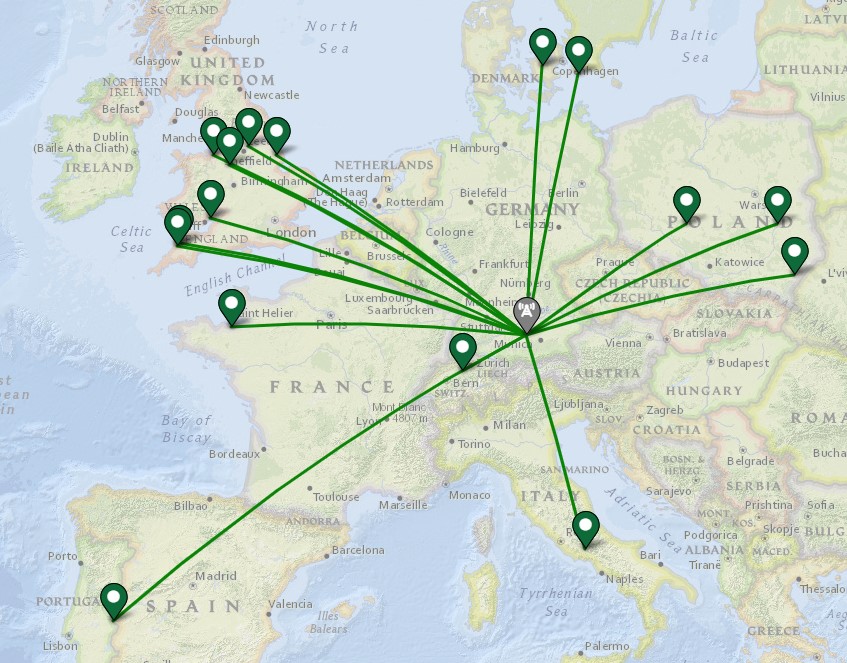
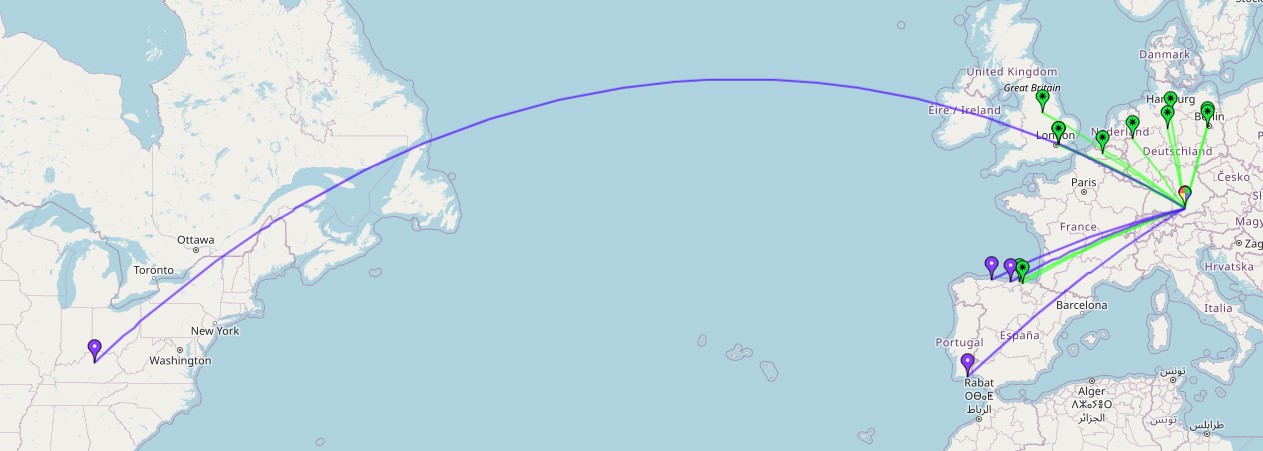
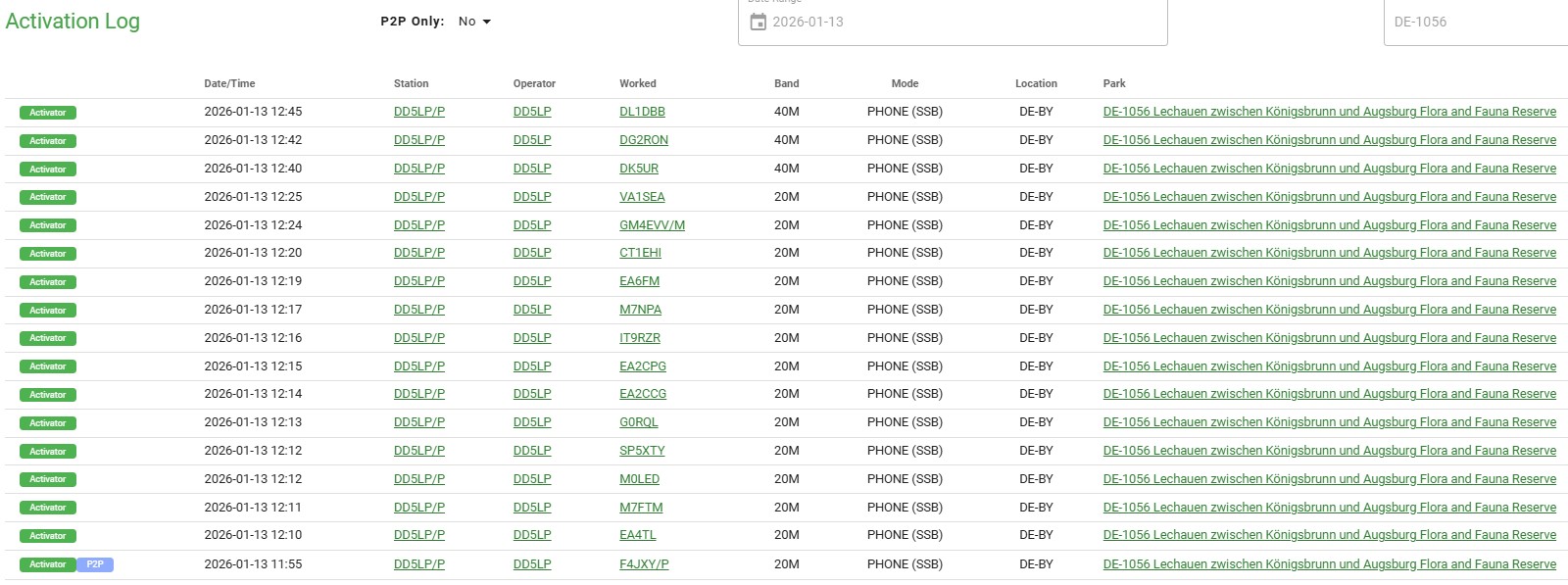
This activation took place early afternoon, not usually a good time for 20 metres contacts but I managed quite a few with the contact of the day being with VA1SEA in Nova scotia, Canada. Apart from that, all contacts were around Europe. The biggest problem with this location was that, being directly on a main road, the ignition and engine controller interference from passing cars and trucks on the wet road was horrendous, but as you’ll see from the map extract below, this “had” to be the location to get all 4 parks in one:
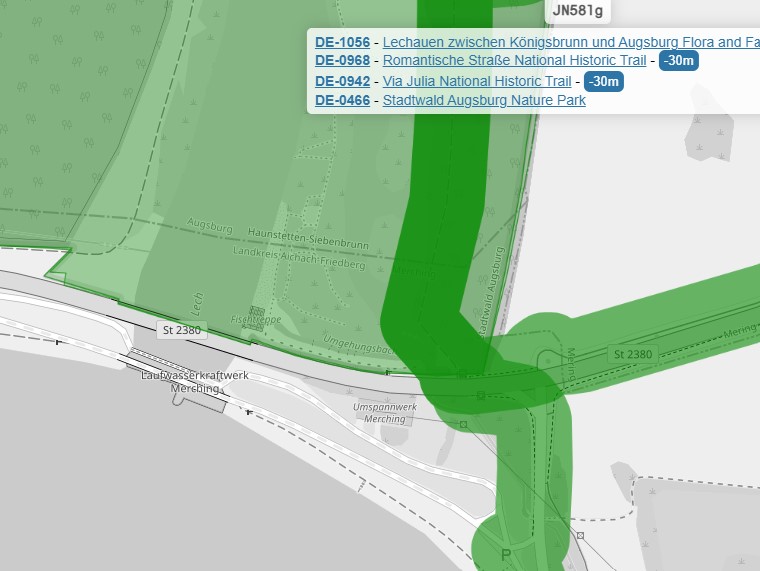
After 14 contacts on 20 metres, I switched to 40 metres, remembering to offset the setting on the loading coil. However, the QRM on 40 metres was even worse than on 20 metres, and I managed only three more contacts, all German stations. The main thing was that my quick fix of off-tuning the antenna worked again.

Once the QRM got too much, I decided to pack up and even had time to do some food shopping before picking up my wife and driving home.

Photos:

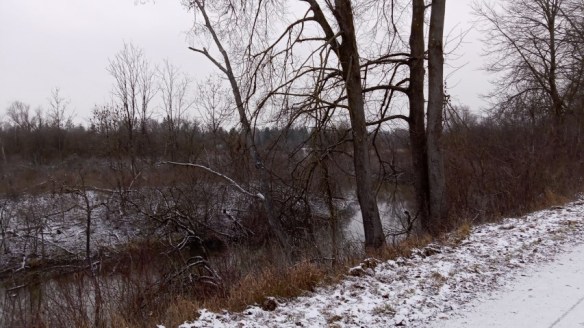
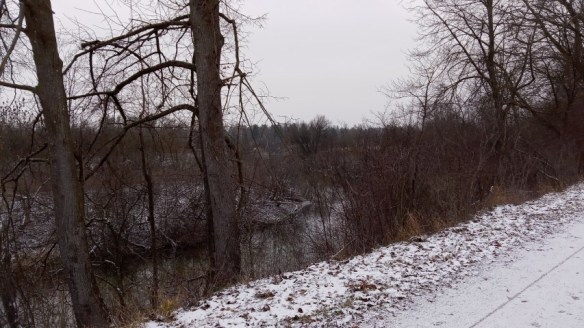
DE-1136

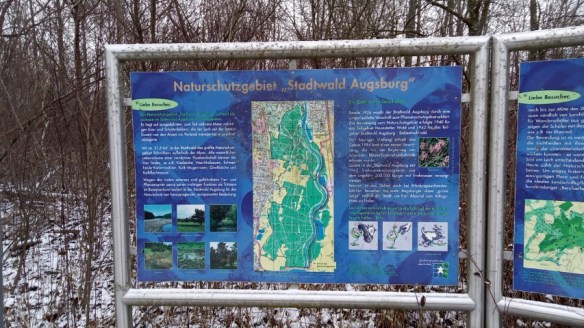
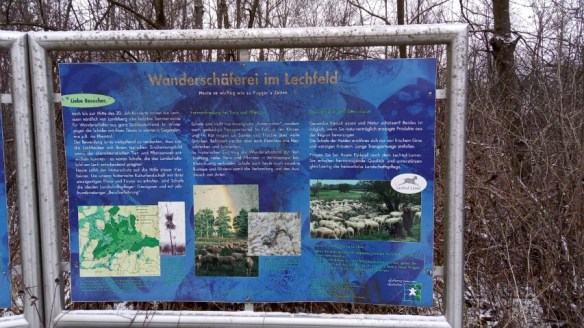
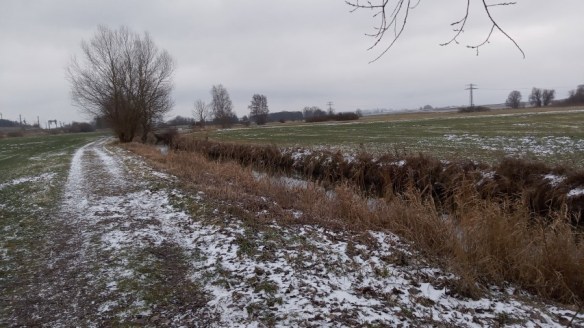
DE-0466, 0942, 0968, 1056

Equipment taken:

  • Xiegu G-90 radio.
  • Xiegu X6200 radio (not used)
  • Komunica Power HF-PRO2-PLUS-T loaded vertical antenna.
  • 3-magnet car roof mount and single magnet mount (single not used).
  • 8 Ah LifePO4 battery.
  • 2 x 4Ah Eremit LifePO4 batteries (not used).
  • Lightweight headphones.
  • Smartphone for spotting.

Log:

DE-1136

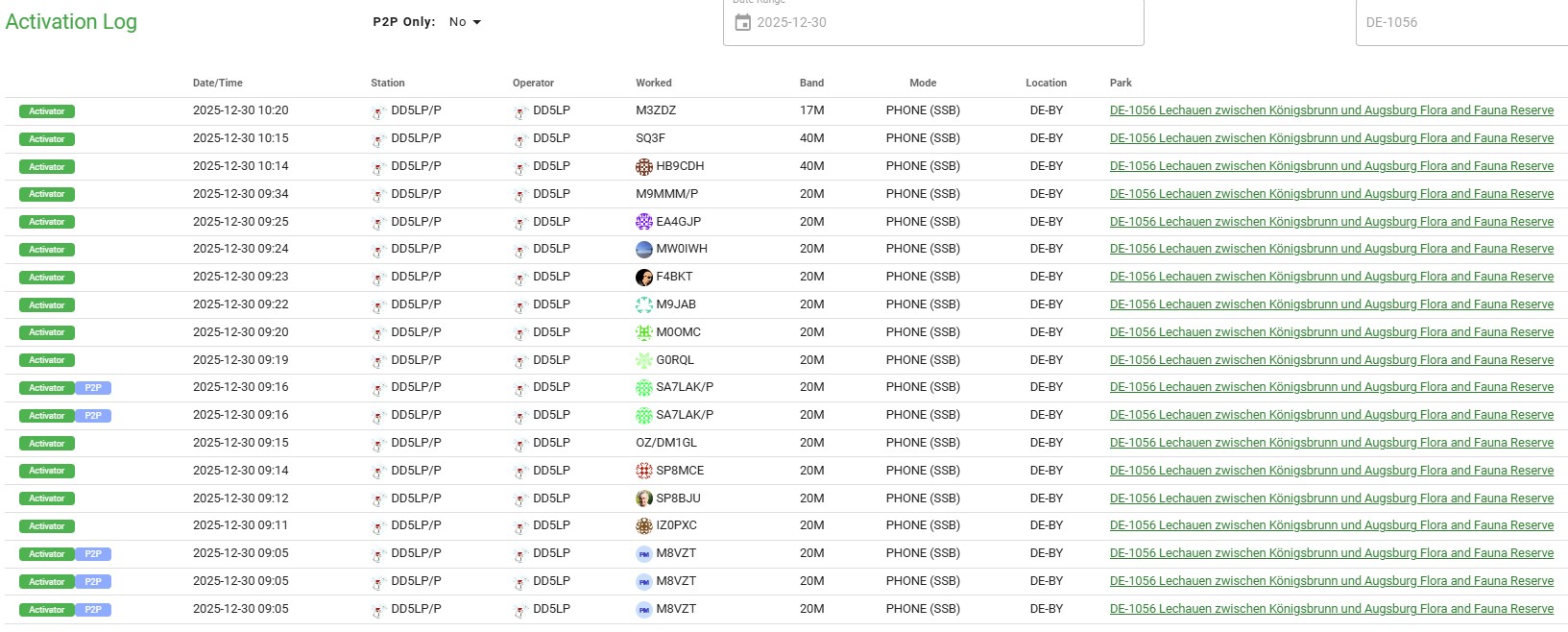
POTA DE-0466/DE-0942/DE-0968/DE-1056

Conclusions:

Overall, these two activations went well, and if I have indeed now found the reason for the earlier problems, it was worth doing the activations. That contact into Canada out of nowhere was the “icing on the cake” and VA1SEA must have a fantastic station set-up!

73 ’til the next activation!

DD5LP/P – December 30th 2025 – Activation of 4-fer POTA (near Konigsbrunn) – DE-0466 0942 0968 1056 and DE-00905 Paar & Ecknach (near Mering)

Preparation:

This was another “fill-in” activation after dropping my wife off at her Physio rehab centre. I had several hours for these activations, even with a chance to get lunch in between the two locations, so I was to take them at a slow pace. The sub-zero temperatures meant that they would be “PLOTA” activations from within the car, only stepping out to attach or adjust the HF-PRO2 antenna.

As usual, all radio gear was put ready in the car for this PLOTA.

The Activations

POTA DE-0466 Augsburg Statswald/DE-0942 Via Julia NHT/DE-0968 Romantische strasse/DE-1056 Lechauen

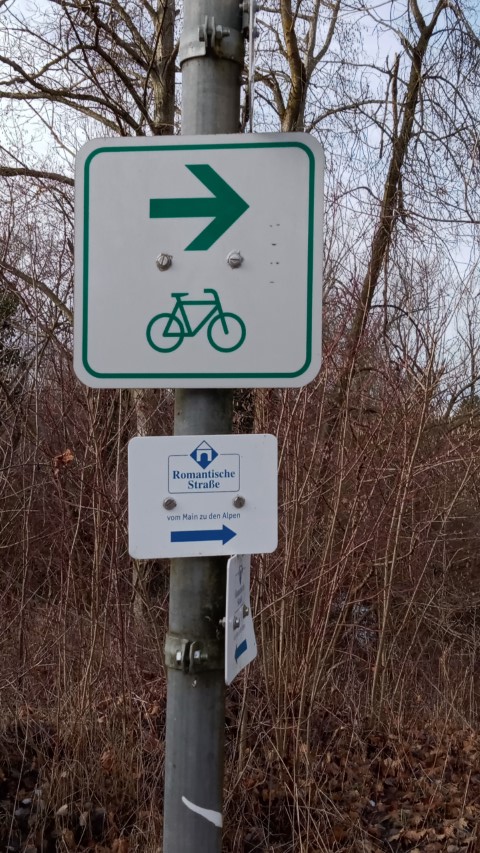
After dropping the wife off, this first location was only about a 10-minute drive. Having checked maps, I had found this POTA 4-fer, although the parking was a little restricted (more a pull-in than an actual parking area, but used by locals to start jogging from, take their dogs for a walk, etc.).

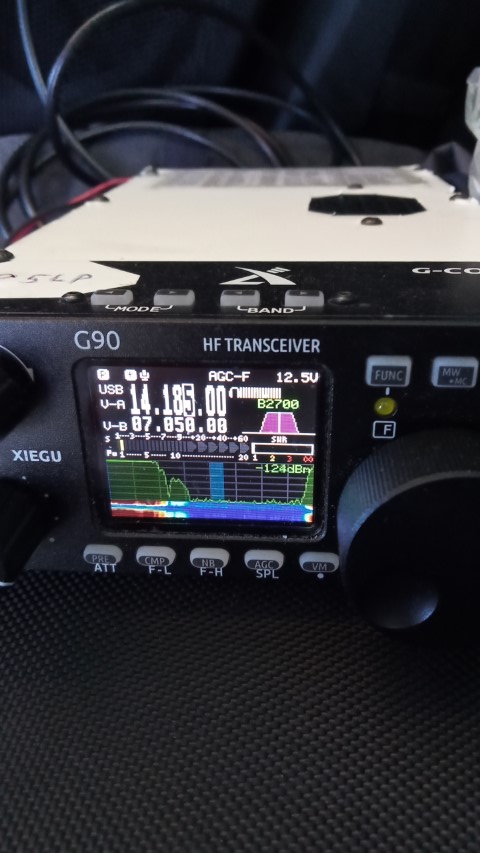
The setup time was short as usual, and since it was around 10 am local (0900 UTC), I expected the long path on 20m to have closed, which turned out to be the case. My best DX was probably Mike in the UK with his new M9MMM/P call sign. I did, however, manage to establish two P2P contacts in this first session, so that was a plus. Indeed, one station (M8VZT) was in three UK POTA entities, so this was a 4-fer to 3-fer P2P contact.

Mike told me he had worked DX on 15 metres, so once the calls dried up on 20 metres, I moved to 15 metres, where indeed I heard VU2DKI at over S9, but despite trying several times to call him, I could not break the major pile-up that he had going. I also heard a VK6 station on 15m, but too weak to really be able to work. after spotting anf calling on 15m for a while, I decided I was wasting my time as no one was coming back and stations that I could hear on the band were dealing with kw plus stations calling them, so my little 20w signal with a loaded whip as antenna, while certainly arriving at the other station, it was being crushed by the high power stations.

I switched to 40 metres at around 1015 UTC, but my spot on POTA and CQ call only returned two callers. Wanting to try 10 metres before I packed up, I switched bands and, as luck would have it, heard Daryl M3ZDZ on 17m as I switched through. I stopped, changed the antenna setting and then we had an enjoyable chat for 10 minutes. On eventually getting onto 10 metres, I had the same result as on 15 metres – so much DQRM and pile-ups on the band meant that the DX stations I could hear, I could not work.

By this time, I decided it was time to pack up and head for lunch. On checking the map, the restaurant that I had chosen (one of the few in the area who are open on a Tuesday) was closed for the Christmas break, but it seems Google Maps had just been updated the day before. Searching for another restaurant that was shown as open, that turned out to be a kiosk that was only open in summer! In the end, I always had the fallback of the local McDonald’s, which, while difficult to reach in the middle of the industrial area in Mering, was at least open. After a “meal” there, I headed to my second POTA location at the other end of the town.

POTA DE-0905 Paar und Ecknach Natura 2000 park

The access to the parking spot located in Mering in this park needed to drive through a residential area between two main railway lines (I would not like to live in those apartments but I suspect they were at the lower-priced living grade).

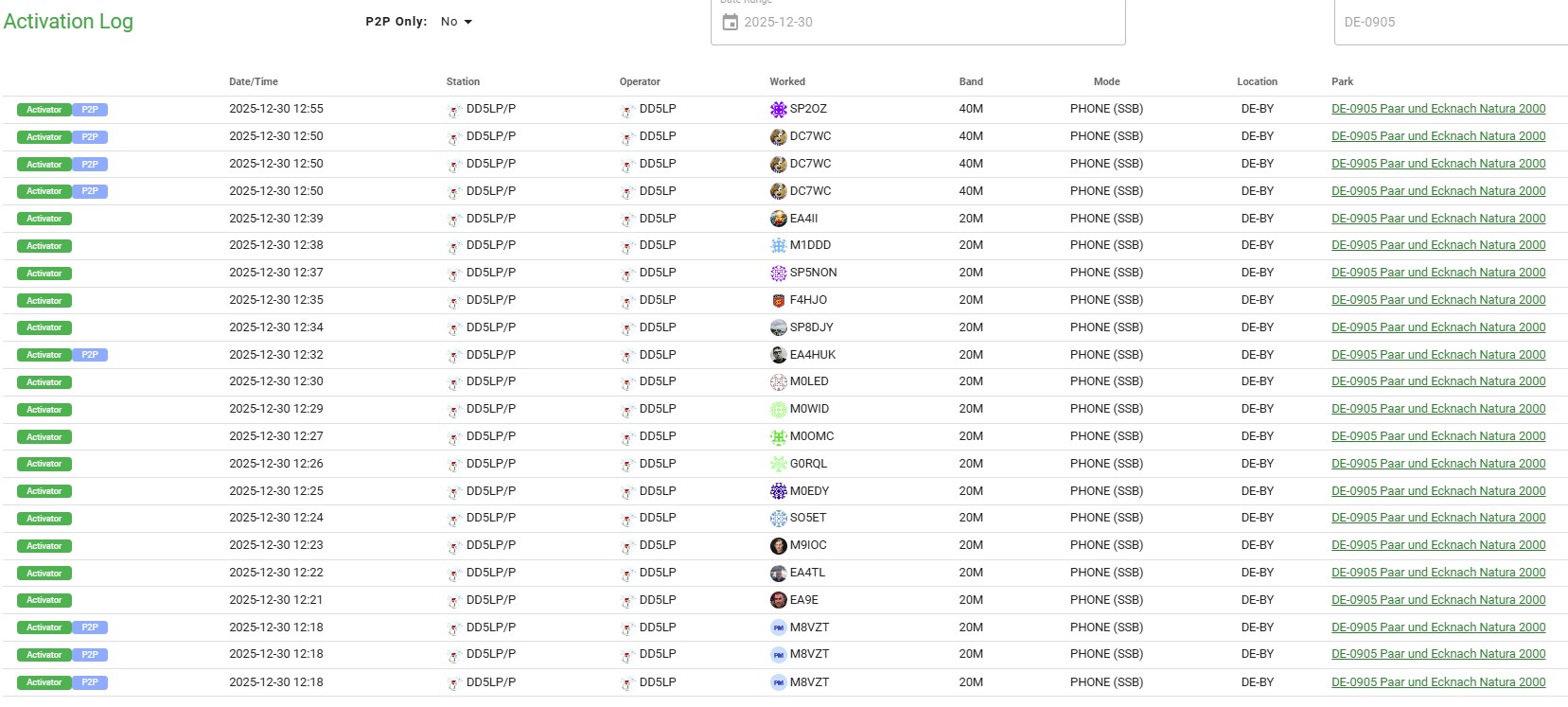
I was lucky, one spot was available in the parking area, and I was set up in no time. I started again on 20 metres, and again my first entry in the log was when I called M8VZT as he was still in his 3-fer POTA location. 55 rather than the earlier 59 signal could mean my new location was not as good as the earlier one, or simply that band conditions on 20m had changed. The band suffered QSB on signals from both locations. After 60 quickly obtained contacts on 20m, I switched to 40m to pick up two more P2P contacts, but my spotted CQ call on 40m brought no calls. So I decided to pack up and head back to pick up my wife, arriving 15 minutes early, but after two good activations, reducing the number of parks I have not activated in the area yet.

Photos:

DE-0466, 0942, 0968, 1056
DE-0905

Equipment taken:

  • Xiegu G-90 radio.
  • Komunica Power HF-PRO2-PLUS-T loaded vertical antenna.
  • 3-magnet car roof mount and single magnet mount (single not used).
  • 8 Ah LifePO4 battery.
  • 2 x 4Ah Eremit LifePO4 batteries (not used).
  • Lightweight headphones.
  • Smartphone for spotting.

Log:

POTA DE-0466/DE-0942/DE-0968/DE-1056
POTA DE-0905

Conclusions:

The trouble getting contacts on 15 & 10 metres was disappointing, as the propagation was there. It was purely the disadvantage of only running enough power to make the contact (as required in all amateur radio licences) and the limited antenna, which stopped contacts. Even with a better antenna, I suspect those KW stations will remain a problem for everyone else. Crocodiles.

73 ’til the next activation!

DD5LP/P – November 18th 2025 – Activation of 2-fer POTA – DE-0979 OberesIsartal FF reserve and DE-0595 Südostbayern Jakobsweb

Preparation:

This was another “fill-in” activation after dropping my wife off. I had a little more time for this one, but with radio conditions not having been very good for a couple of days, my expectations were not high.

As usual, all radio gear was put ready in the car for this PLOTA.

The Activation

POTA DE-0595 / DE-0979

After driving about 35 minutes along some roads varying in quality (Google Maps insists on taking the shortest route, without considering a slightly longer route on larger roads might be the choice the driver would prefer…) I arrived at the parking area, which I had searched out a couple of days earlier, nicely in the Oberes Isartal park, that I had not activated previously, at a spot where the South East Bavaria portion of the Jakobsweg passed through, so this was a nice “2-fer” for POTA hunters.

Set up time was short as usual, and as this was fairly early in the day, although 20 metres was a little noisy, the band was open to VK with a couple of the well-known “nets” coming in strongly. This activation consisted of spotting and calling on 20 metres to get some contacts from all around Europe, and a search and pounce operation, when I saw that VK2USH was spotted on POTA. It took a lot of calls, but eventually the pile-up quietened down and I got my contact. It’s a shame that POTA Hunters do not have the courtesy to tell the station when another park is calling (something that SOTA chasers do all the time). I guess those in POTA are a different crowd.

Once the calls dried up on 20 metres, I moved to 40 metres, where I also sat calling two French POTA activations for some time before I got those P2P contacts in the log.

Photos:

Equipment taken:

  • Xiegu G-90 radio.
  • Komunica Power HF-PRO2-PLUS-T loaded vertical antenna.
  • 3-magnet car roof mount and single magnet mount (single not used).
  • 8 Ah LifePO4 battery.
  • 2 x 4Ah Eremit LifePO4 batteries (not used).
  • Lightweight headphones.
  • Smartphone for spotting.

Log:

POTA DE-0595/ DE-0979

Conclusions:

The Park-to-Park contact into NSW, Australia, was the jewel in this activation. I have made Summit-to-summit contacts into VK2 before, but using a better antenna system. I have also worked home and portable (static mobile) stations in several Australian states from POTA activations, but this P2P contact was a nice bonus in this activation.

73 ’til the next activation!
DD5LP/P – November 11th 2025 – Activation of 3-Fer POTA trails – DE-0594, 0595 and 0797 and SOTA DL/AM-001 Hoher Peißenberg.

Preparation:

After several “PLOTA” activations (operating from within the car), I wanted to get out and do a “proper” activation with my 6m mast, linked dipole, and Xiegu G90 set up. Rather than the “usual” 20m long path to contact Ernie VK3DET in Victoria, Australia, the VOACAP HF page predicted that the Gray Line should be over Europe and at least New Zealand and possibly the east coast of Australia at 0700 UTC (8 am local since we have changed back from summer time in October). The Gray Line (the terminator between night and day – at dawn and dusk) throws a “channel” over different points on the Earth at different times of the year, this is because the Earth’s axis is not straight up and down relative to its orbit around the Sun, but rather at a bit of an angle, so different points on the earth are under the line at different times on different days of the year. November is the month for dawn in Europe to be on the same line with dusk in New Zealand and Australia. I compare the use of the Gray Line terminator to transfer radio signals as being somewhat similar to ducting on VHF in that the signals are carried along the line and, as a result, are generally stronger than if transferred by F-layer skywave propagation bouncing off the Earth and ionosphere. The result is, when it works, it produces stronger signals with lower power. It is very, very rare that Grayline works on bands above 10 MHz, and so it is normally used on 40 and 80m (60m should be fine as well; however, Australia does not have a 60m amateur radio band at the moment).

Everything was packed in the car on Monday evening, so that I could leave early on Tuesday morning without waking anyone.

The Activation

POTA DE-0594 / DE-0595 / DE-0797 SOTA DL/AM-001

I could probably drive the route to this summit with my eyes closed, and on some previous winter mornings in thick freezing fog, I had in fact effectively done that. This time, however, the weather was kind and the trip took around 45 minutes, with some delays caused by school buses as 7 am is the time the children are bused to their schools in Germany, and lots of tradesmen are on their way to their first jobs of the day.

After buying a 3-hour ticket (€2) for the car park (using all of my small change as the card reading device in the parking ticket meter was not working). I headed up to my favourite seat alongside the church, looking out over the valley. I had a bad feeling at this point as it was 0645 UTC and VOACAP had told me that Dawn would be at 0700, but the sun was already over the horizon, meaning I should have been setting up at least 30 minutes earlier. The window of use of Grayline is often an hour at best, and I confirmed after getting on to 40m that I had missed it.

After spotting myself on SOTA and POTA sites, I also sent Ernie VK3DET a message, but he could hear nothing from me. I suspect that even if I had been on time for the Gray Line he may have been too far away from the line at his end and another possibility was that other stronger home stations were blocking my signal as the 40 metre band was packed with SSB stations, A little surprising for so early on a work day, but perhaps they were also looking for Grayline propagation? In any case, after spotting myself, I had to fight to keep my frequency after other QSOs (in at least one case, two other QSOs) started up on the frequency that I was using without checking first that it was free (as I had done). Luckily, many of the calling SOTA Chasers and POTA hunters had strong S9+ signals and crushed the other QSOs. I was amazed how my 20w and low linked-dipole was receiving (true) 59 reports for the majority of my contacts. This certainly proved that the 40m portable set-up still works very well! The pile-up only paused a couple of times, and I got 41 contacts in the log in just over 45 minutes. Once the contacts finally dried up, I considered trying 20m despite the threat of incoming CMEs but decided, rather, to call it a day and head home to the warm, happy that even if I was too late for the Grayline propagation, the equipment is still working very well.

Photos:

Equipment taken:

  • Xiegu G-90 radio.
  • Linked Dipole antenna.
  • 6m lambdahalbe mast.
  • 8 Ah LifePO4 battery.
  • 2 x 4Ah Eremit LifePO4 batteries (backup not used).
  • Lightweight headphones.
  • Smartphone for spotting.

Log:

POTA DE-0594 / DE-0595 / DE-0797

SOTA DL/AM-001

Conclusions:

The activation was a failure as regards Grayline; however, I know that at the right time on the right day, this can bring good results, so hopefully, I will get out again this month to prove that contacts via Grayline are still very possible. The equipment is certainly still working very well.

73 ’til the next activation!
DD5LP/P – November 4th 2025 – DE-0296 Simsee Südufer Nature Reserve

Preparation:

This was a further combined “family trip” with my wife wishing to visit the “Stadistische Gallery” in Rosenheim, a large market town about a 1 and 3/4 hour drive away from where we live.

Of course, I looked for a park that I could activate while she went around the gallery and found one just 10-12 minutes outside of the town, “Simsee Südufer”. A park that has been in the POTA Germany scheme for some time, but isn’t activated very often, which I find strange given its ease of access, including a hiker’s car park within the park. For me, it fit the bill well. I hadn’t activated this park before, and given my limited time slot, it would again be a PLOTA operating from the car within the car park.

As usual, all radio equipment was pre-installed on the car’s back seat, as depending upon radio conditions, I might need as much time as possible to get the minimum 10 contacts to qualify the park and then get back to meet my wife and go to lunch in the old town.

The Activation

POTA DE-0296

As the gallery only opened at noon, this was going to be a lunchtime activation, and I wondered whether 20 or 40 metres would be the best choice for contacts. After driving from Rosenheim to the hiker’s parking area, I started on 20m. The band sounded noisy, and a quick scan over the band did not look very good. I checked the POTA app and went to see if I could hear the other POTA activators that were spotted as being on 20m at the time. No luck, so I found a free spot on the band, spotted myself, and started calling…

I was pleasantly surprised by a stream of callers—the first being another POTA activator in the UK, indeed in the area of the UK from which I come. So that was a nice start to the pile-up which followed. Without rushing, I managed sixteen contacts in ten minutes. In the pile up, the best contacts were Fabio CU3HN on the Azores with a booming 59 signal and Bill W1OW out of Massachusetts, America, whose signal fought to get through the really very average conditions.

Once the flow of calls stopped, I decided to see if I could give some other activators a P2P contact, as Andrew 2E0USH had done for me as my first contact. Lucy M1UCY was a strong signal out of a UK park, and when chatting with her, I mentioned the surprise call from Bill in the US, and she said, he is often the first or only station to get through on 20m to the UK. I guess he has a great station. The third P2p and last contact for the activation was Nico IU5KHP in IT-1428. I had to try for some time to get through to him, as he was also enjoying a pile-up of POTA hunters.

Once that contact was over, it was time to pack up and head back into the town to meet my wife. All in all, the visit to Rosenheim and POTA activation went very well and was blessed with dry and sunny, if a little cold, weather.

Photos:

Equipment taken:

  • Xiegu G-90 radio.
  • Komunica Power HF-PRO2-PLUS-T loaded vertical antenna.
  • 3-magnet car roof mount and single magnet mount (single not used).
  • 8 Ah LifePO4 battery.
  • 2 x 4Ah Eremit LifePO4 batteries (not used).
  • Lightweight headphones.
  • Smartphone for spotting.

Log:

POTA DE-0296

Conclusions:

This was probably as close as one can get to a perfect PLOTA activation. The equipment all worked with no problems. The band was not great with deep QSB and military-like interference going up and down the band, but the number of callers and good reports received proves once again that even operating 20 watts to a loaded whip antenna, good coverage is possible. Of course, many of the calling “hunters” may have been using beams and hence enhancing my signal, but the P2P contacts were certainly not, and that is the proof of how good this set-up continues to be. I DO want to get out REAL portable again but while restricted by time available or (very soon) weather, the PLOTA option is a good alternative.

73 ’til the next activation!
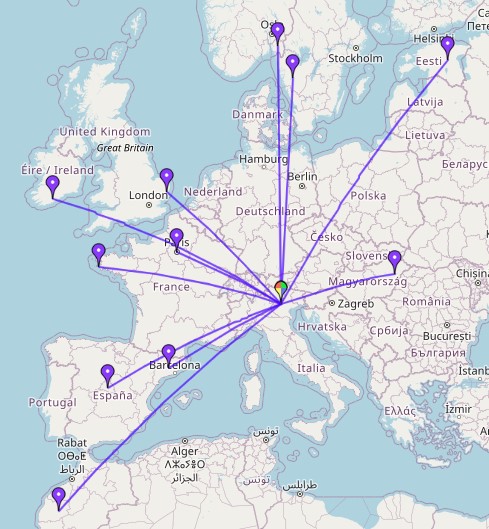
DD5LP/P – October 25th 2025 – Activation of 3 POTA Parks – DE-1102 Loisach-Kochelsee Bird sanctuary DE-1103 Moore um Penzberg and DE-1104 Moore Südliche von Königsdorf.

Preparation:

Continuing my “First activator” challenge, these three parks are all new to POTA and located near a Museum/Art Gallery that my wife likes to visit, so this looked like a good combined trip, given that activating points in each of the parks were around 20-minute drives from each other, around the Pemzberg area. After planning this, however, I caught a cold, and in the week it took me to recover, all three parks were activated by others and hence no longer counted towards my personal challenge, where I am currently listed as the first activator of 40 parks. The first of the three to be activated was done by a fellow ham living in Upper Bavaria, but the other two were “grabbed” by a ham travelling from North Rhine-Westphalia. The last one, the day before I activated it, he uploaded his log while I was out activating. So, even though it was shown as not yet activated before we left in the morning, when I entered my logs that evening, I could see it had gone.

In any case, all three of these parks count to my separate parks activated total. It seems almost all of the recently added from WWFF parks have now been activated, so progress towrds 50 “first activator” status is no going to be easy!

Given the expected pouring rain (in fact I managed to activate withing a window between morning and afternoon storms as it turned out), these would again be PLOTA activations from the car, using the usual G90 and HF-PRO2 antenna, so all equipment was packed into and made ready in the car on the Friday evening, ready for a relatively early start on the Saturday morning.

The Activations

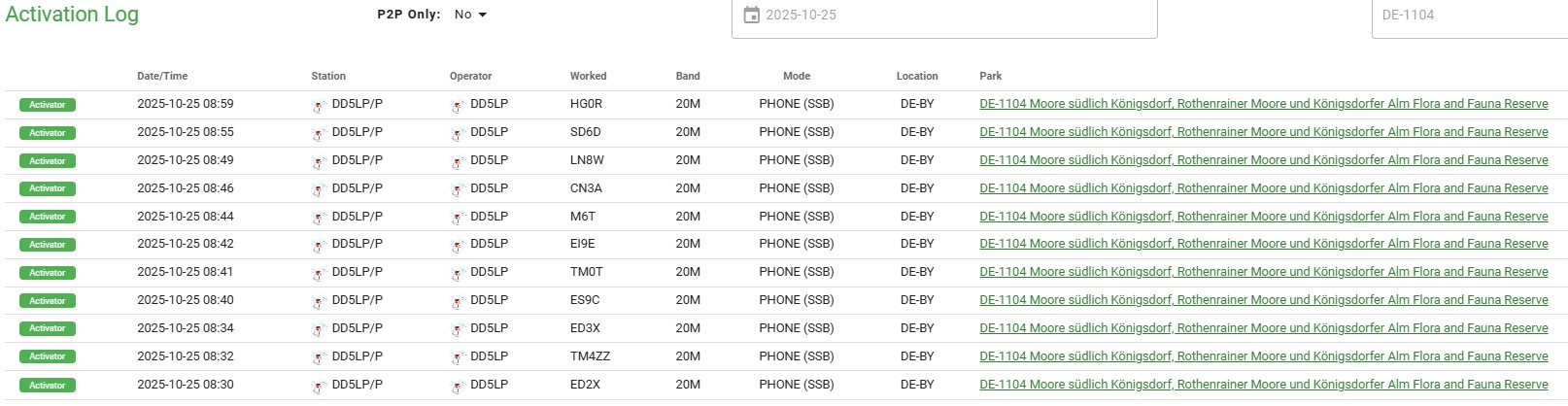
POTA DE-1104

The day started with a thin rain haze, but cleared as we drove down to Penzberg. At this point, I was still expecting to grab one of the parks as “First Activator”, which was the first park that I headed to after dropping my wife off. It was also the furthest away from Penzberg, so a good one to get out of the way, while the weather was still OK.

As I mentioned, this was a Saturday and so a contest-QRM day. I had hoped it might only be a small contest, but it turned out it was the CQ Worldwide DX SSB contest – the LARGEST SSB contest in the year’s program, and it runs for a full 48 hours, so there was no escape from it!

Having set up for 20 metres, I tuned around to try to find a free frequency and, having found one with only an S7 QRM noise level, went to spot myself on the POTA site … No Internet! I switched cell phone networks – still nothing! Unluckily, I had picked a spot with NO cell phone coverage.

OK, I could pack up and head to the next park, but instead, I decided to make the contest work for me, for once and simply made over 10 contest contacts to the many stations that were constantly calling CQ. A contact is a contact. Unfortunately, this means that those POTA hunters who would have liked to get a new park didn’t, but with such a tight schedule and no way to spot my intentions to move to 17m, the best solution was simply to bag the contacts, pack up and head on to the next park!

POTA DE-1102

After a 20-minute drive, I arrived at the next park. The non-numeric sequence was so that the route as a whole was minimised. At the new location, in a car park used mainly by fishermen, I was set up and checked I had cell network, and hence Internet coverage and looking at the current POTA spots, I quickly saw that many activators had gone to the 17 metre band due to it being a WARC band and therefore not allowed to be used for contests. So I adjusted the antenna and radio to 17m and started my log with three park-to-park contacts. After that, I sought out a “free” spot (also not easy, as all the “refugees” from 20 metres had moved to 17 metres). After spotting myself on POTA and putting out a couple of CQs, a regular flow of calls came in, and I was soon up to 14 contacts, including some regular hunters. Given my time limitations, I kept this activation short with 14 contacts in 24 minutes. After removing the antenna from the roof, it was time tio head to the last park for the day (which was far closer to Penzberg, to allow an easy pickup of my wife before heading home.

POTA DE-1104

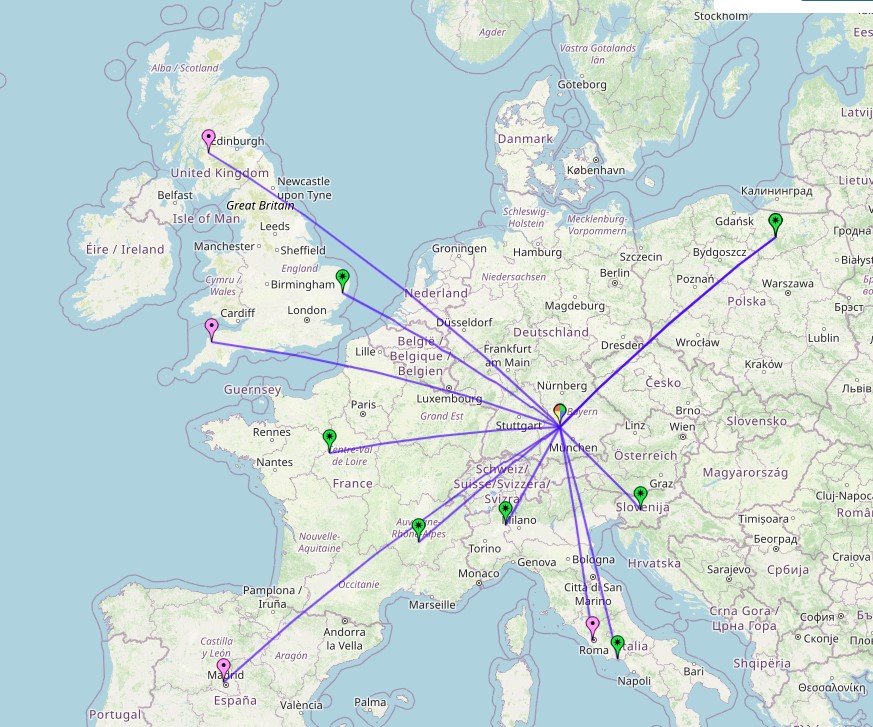
This last park was to be an activation on 17metres and 40 metres, as free space was getting very scarce on 17, and I was hoping that 40 metres might give some of my usual hunters a chance for a contact with a new park for them. The activation started well enough with a P2P into Scotland on 17 metres, but it very soon became clear that getting contacts on 17 metres was going to be hard with only 4 in 10 minutes due to all of the contest QRM. After fighting to get a P2P into Spain, I decided to switch to 40 metres. While not as bad as 20 metres, it was very clear that this band was also full to overflowing with contest stations (three of whom I worked as I needed to quickly bag some contacts). I finished off my day with four “normal” POTA hunter contacts.

Once completed, and just as the rain was starting, I packed up the station and went and collected my wife before we headed home through a major rain storm. I had been very lucky with the timing!s

Photos:

POTA DE-1104

POTA DE-1102

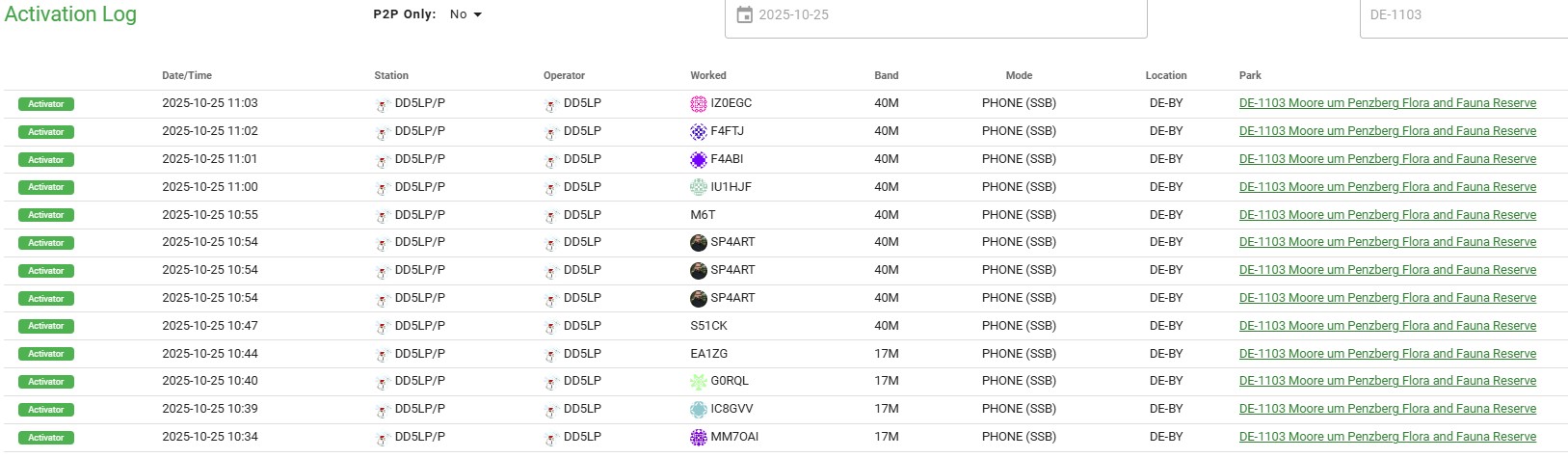
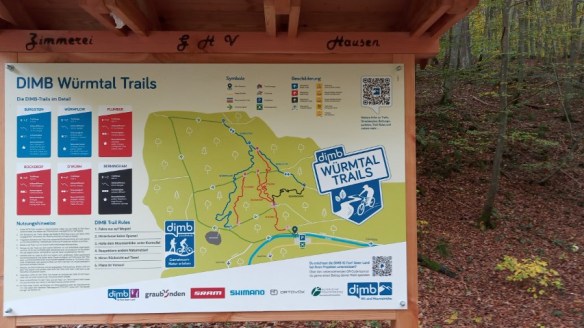
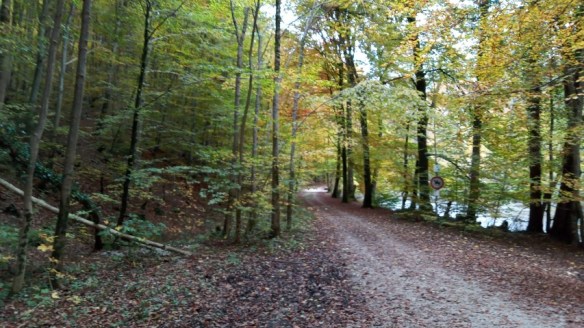
POTA DE-1103

Equipment taken:

  • Xiegu G-90 radio.
  • Komunica Power HF-PRO2-PLUS-T loaded vertical antenna.
  • 3-magnet car roof mount.
  • 8 Ah LifePO4 battery.
  • 2 x 4Ah Eremit LifePO4 batteries (backup not used).
  • Lightweight headphones.
  • Smartphone for spotting.

Logs:

POTA DE-1104

POTA DE-1102

POTA DE-1103

Conclusions:

It’s never good to go out to activate on a weekend because of Contest QRM. How this one turned out to be the BIGGEST SSB contest of the year – I had everything stacked against me; however, I was actually happy for the easy contacts at the first park, where I had no internet access. Without there being so many easy contacts, it would have most likely been a fail.

73 ’til the next activation!
DD5LP/P – October 17th 2025 – DE-1066 Moore und Wälder der Endmoräne bei Starnberg Flora and Fauna Reserve

Preparation:

This park had already been activated; however, it is a new park in the area, which I haven’t activated as yet and is another taken over from the WWFF scheme.

It fitted my needs of being only 30 minutes away from where I need to take my wife to a doctor’s appointment, giving me time to get there, activate for 45 minutes to an hour and then get back to pick up my wife.

The plan was, as it has been for a lot of recent activations, partially due to weather but also time considerations, to use the car-based set-up with the G90 and the HF-PRO2 antenna from the back seat of the car.

The Activation

POTA DE-1066

This was an afternoon trip, so I had plenty of time to load the radio equipment into the car after changing all of the wheels on the vehicle from those with summer tyres on to those with winter ones on (this is needed in this area before the bad winter weather comes, at which point the use of summer tyres is banned.

The trip to drop my wife off at the doctor’s, about 35 minutes away from home, went without incident and even bought me an extra 10 minutes of activation time, but as it turned out, contacts were to come in quickly, so the extra time was not needed.

The trip to the parking spot within the park that I had found was using Google Maps, and for some reason, it took me through some really narrow country roads where, to get past each other, traffic had to drive half off the road as there was only just one lane width of tarmac road. This was an “interesting” experience, and I was glad I had changed the wheels from the alloy wheels to the plain steel wheels when I hit one particularly nasty pot hole off the side of the road.

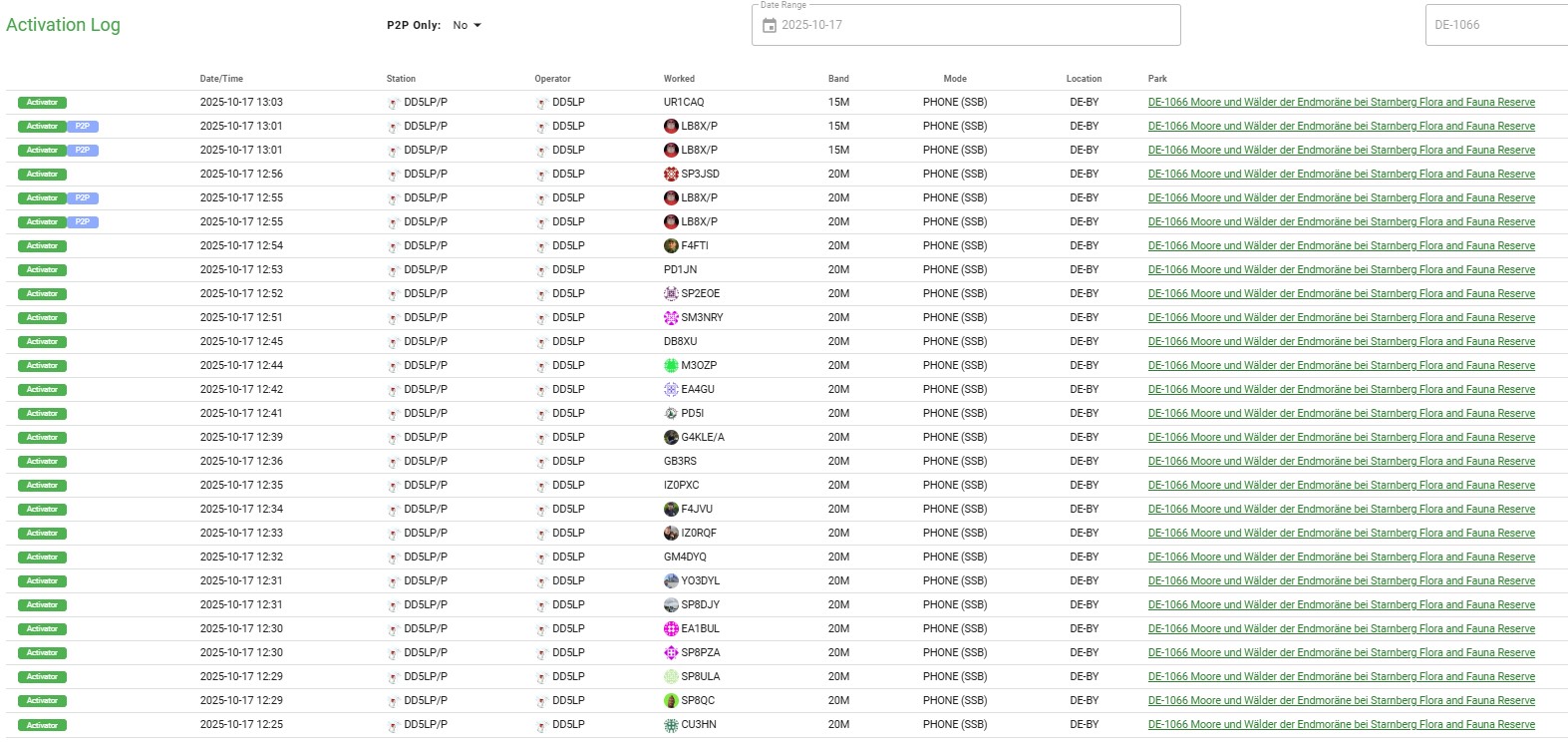
On arrival at the parking spot, a beautiful spot on the River Wurm, which it seems is a favourite spot for walkers, dog owners and those with mountain bikes. I put the antenna on the roof and started on 20 metres. Not knowing what to expect, finding good conditions within Europe, but no DX – at 1200 UTC, this was not surprising, and in any case, it was quantity rather than distance that I was seeking today. Within the about 50 minutes that I wanted to be on the air, I needed to get 10 contacts to qualify the park. In fact, I ended up with 23 on 20m and 2 on 15 metres in just over 40 minutes. Although I say I had no DX, the very first station that I worked, CU3HN in the Azores, was quite a distance away, but he often calls, and so must have a very good station. Most of the incoming calls were S9, and over 60% of my reports received were also S9 – not bad for 20 watts of SSB to a loaded whip on the car roof. This simple set-up continues to amaze.

Photos:

Equipment taken:

  • Xiegu G-90 radio.
  • Komunica Power HF-PRO2-PLUS-T loaded vertical antenna.
  • 3-magnet car roof mount and single magnet mount (single not used).
  • 8 Ah LifePO4 battery.
  • 2 x 4Ah Eremit LifePO4 batteries (not used).
  • Lightweight headphones.
  • Smartphone for spotting.

Log:

POTA DE-1066

Conclusions:

The bands were kind to me. I even heard Indonesia on 15 metres, but the lady had such a pile-up, I had no choice of getting through. There was some ignition-generated interference on the bands (especially on 10 metres, which I checked but found no one to call) as the car park is alongside a main road.

The area around, however, is really beautiful, and I suspect that in summer it will be overrun with tourists. It was nice to visit, even though the top temperature was probably up to 12°C.

73 ’til the next activation!
DD5LP/P – October 10th 2025 – Activation of 2-fer POTA – DE-0594 Münchner Jakobsweb and DE-0797 KönigLudwig trail

Preparation:

I have activated both of these trails before; however, as they run conveniently together through the small town of “Diessen”, when my wife had an appointment, why not do a little radio while waiting. The spot I would go to is less than 10 10-minute’ drive away from the appointment.

Radio conditions were not expected to be good with a major coronal hole on the sun throwing out one CME after another.

This would also be another test of the radio to ensure the problem from a few activations ago is now fixed. The same equipment as used for the last few activations operated from within the car.

The Activation

POTA DE-0594 / DE-0797

The weather was mixed but stayed dry. After dropping my wife off at her appointment, I drove up to the car park near the town’s monastery. Once parked, mounting the HF-PRO2 antenna on the magnetic mount on the roof, connecting the battery cables to the radio, powering up and running the ATU took all of 5 minutes. Initially, I took a quick listen on 10 metres, but the intended operation was to be on 20 metres, and the first station in the log (whom I could not really hear on 10 metres) was Mike 2E0YYY/P, who was out on Merryton Low in the centre of England.

After spotting myself on the POTA website, calls came in on a fairly regular basis and at the end of the activation, before trying on 10 metres, I did some “Search & Pounce” on other POTA activators to get a few P2P contacts in the log. The activation on 10 metres brought zero calls, unfortunately, and the interference from passing cars seems worse on 10 metres than on other bands.

A nice event, as I was packing up, I was approached by four young children (between 7 and 10 years old) who asked what I was doing. I explained quickly and, seeing some real interest, grabbed a couple of my pre-printed (DARC) brochures about amateur radio and gave them to them. They were happy and went away chatting about what they had seen.

The radio and indeed, all of the equipment had performed without losing a beat, so hopefully that is the last of the earlier (apparently heat-related) shutdown from 20W to 1W output.

Photos:

Equipment taken:

  • Xiegu G-90 radio.
  • Komunica Power HF-PRO2-PLUS-T loaded vertical antenna.
  • 3-magnet car roof mount and single magnet mount (single not used).
  • 8 Ah LifePO4 battery.
  • 2 x 4Ah Eremit LifePO4 batteries (not used).
  • Lightweight headphones.
  • Smartphone for spotting.

Log:

POTA DE-0594/ DE-0767

Conclusions:

For a quick ad-hoc activation, the availability of so many POTA trails and Parks near me makes it easy to include a PLOTA activation into a schedule and at short notice.

73 ’til the next activation!
DD5LP/P – October 5th 2025 – Activation of 2-fer POTA – DE-1057 (New park) Lech zwischen Landsberg & Konigsbrunn FF and DE-0968 Romantische Strasse trail

Preparation:

DE-1057 is another park taken over from WWFF into POTA, and while it is in my local area, I again wanted to get my name on it as “first activator”. This activation (PLOTA) will also serve as a test to determine if my radio is now functioning properly and does not drop power without warning (presently, this is believed to be a temperature sensor that shuts down the power). The same equipment as used for the last few activations was packed into the car, and the just over 20-minute drive to the planned spot in the river Zollhaus car park started. It just so happens that the Romantische Strasse trail, which I have already activated, goes through the same point, so while it is not an advantage to me, this will give callers a “2fer” (two Park contacts from one QSO).

The Activation

POTA DE-1057 / DE-10968

The drive started with no rain but high winds (rain was forecast for the afternoon, so the plan was to finish the activation and get home for lunch before the weather came through). As for radio weather, the Kp Index had dropped from over 5 to around 3, but you would not know it on 20 metres. As soon as I turned on, I realised that at first the noise level was very low but “subdued” – as I tuned the band, I realised this was the effect of heavy receiver AGC due to (again) strong wideband noise, further down the band. Being a Sunday, there were also multiple contests in progress and calling over the top of an in-use frequency became the norm, meaning I had to constantly move to find a new free frequency. This was particularly annoying as in the parking area where I was, there was no cell coverage, neither from Deutsche Telekom nor Vodafone. I only needed to walk about 20 metres out of the parking area towards the river, though, and I had some coverage again. This meant I had to find a frequency that seemed to be free. Leave the car with the phone, spot my new frequency in pota.app – wait 1 minute to make sure it had spotted and then head back to the car and hope no one had taken the frequency in the meantime.

The normal HF-PRO2 antenna on the 3-magnetic mount on the roof performed well considering the conditions and competition on the band. In the end, though it took me 90 minutes to get the minimum 10 contacts needed in POTA. The good news was that in these 90 minutes, running 20w of compressed SSB, the power did not drop down to the 1w level even once. Rather than having the radio simply lying on the rear seat, I had it propped up at the front, allowing some airflow to take place under the radio. Today was also a much colder day than on the last few activations.

I managed one IOTA, one SOTA and two POTA park-to-park contacts within the 10 stations that I worked. Several gave me good (real) reports, so the station is back to working well. The problems during the activation were caused by the contest operators and the bad atmospheric radio conditions, bringing heavy QRM from Eastern Europe again. Near the end of my activation, I came across CT1EHI running AM on 14330 – I switched to AM and called him, but unfortunately, he didn’t hear me – it would have been nice to complete the activation with an AM contact.

Photos:

Equipment taken:

  • Xiegu G-90 radio.
  • Komunica Power HF-PRO2-PLUS-T loaded vertical antenna.
  • 3-magnet car roof mount and single magnet mount (single not used).
  • 8 Ah LifePO4 battery.
  • 2 x 4Ah Eremit LifePO4 batteries (not used).
  • Lightweight headphones.
  • Smartphone for spotting.

Log:

POTA DE-1057/ DE-0968

Conclusions:

The problem from the last activations appears to have been fixed, but I won’t close this problem out yet. It could still return.

73 ’til the next activation!
DD5LP/P – October 2nd 2025 – Another NEW POTA Park DE-1065 Starnbergersee Flaura & Fauna Reserve

Preparation:

This park looked like it would be a challenge to operate within, being a lake – perhaps the only way is from a boat or from the end of a pier? I searched maps to find a location within the officially defined Natura 2000 area linked to from the POTA parks data page, and I found that there are one or two “boggy areas” on the banks of the lake, where you can activate without having to be in or over the actual water. One of those spots was just a few kilometres north of a museum/art gallery, which my wife visits when a new painter is featured, and indeed, there is a new one that she would like to see, so again, a combined trip was planned.

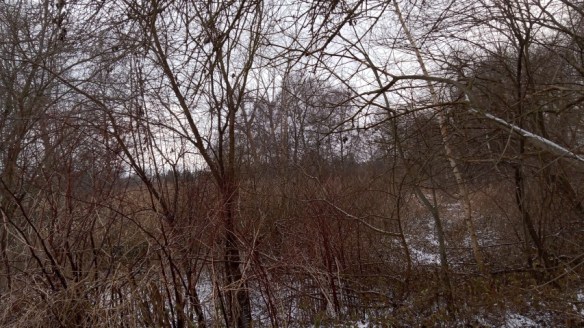
As you can see from the picture above, I found a small concreted field entry off the side of the main road that marks the edge of the park at this point on the lake’s shore. Again, this would be a PLOTA, but with more time, a “real” portable operation would be possible as between my parking spot and the cycling track, which goes through the park, there is a nice grassed area. Perhaps I will set up there next time when I have more time.

The plan was to again use the car-based set-up with the G90 and the HF-PRO2 antenna from the back seat of the car..

The Activation

POTA DE-1065

The morning started at under 3°C, and although sunshine was forecast, there was going to be an icy cold wind for most of the day, so this was another good reason for a car-based activation. The drive to the museum/art gallery went without incident, a route we have driven several times before. From there, it was just a few minutes up the road to my chosen spot, and I was glad to see it free and looking as I had seen it via Google Street View. As the radio was already set ready to go on the back seat, I only needed to put the loaded whip antenna on its magnetic mount on the roof, connect up the radio to the battery, and I was set.

I started on 20 metres and could not believe the level of noise on the band – some device was wiping out the bottom half of 20 metres, and while the G90 is an SDR radio, heavy AGC was being applied to the whole of the band, making signals that I could find at the top of the band very weak. I realised what was happening (see pictures below) and turned off the AGC in the radio, which improved things, but despite calling stations and spotting myself and calling, 20 minutes of calls brought no callers. To make matters worse, the problem I have had on the last three activations returned, so the indicated power output dropped from 20 watts to under one watt. I say “indicated power” as I am not yet convinced that the actual power is being dropped, and rather suspect it may be the SWR/Power sensor circuit that has gone intermittent. I tried my usual checks without any success in sorting out the problem. The noise on 20 metres (I suspect a military source in Eastern Europe) was getting even worse, so I decided to switch to 40 metres as I had a limited time to get my needed 10 contacts.

After switching to 40 metres and adjusting the antenna loading, I found that with loud speaking, I was seeing 10 watts output now indicated, and so decided that would have to be enough. My activity on 40 metres was a mix of spotting and calling CQ for some time – often resulting in only one or two calls, and search and pounce of any strong signals or indeed other POTA operators who were spotted on the band. With a 3-fer P2P with Paul G4BWQ, I managed to break the 10-contact limit, and after a couple more CQ calls with no replies, I decided to give 20 metres another chance before packing up. I’m glad I did, as well as being called by three of my regular hunters, I was also called by K2UPD out of the US.

Photos:

Equipment taken:

  • Xiegu G-90 radio.
  • Komunica Power HF-PRO2-PLUS-T loaded vertical antenna.
  • 3-magnet car roof mount and single magnet mount (single not used).
  • 8 Ah LifePO4 battery.
  • 2 x 4Ah Eremit LifePO4 batteries (not used).
  • Lightweight headphones.
  • Smartphone for spotting.

Log:

POTA DE-1065

Conclusions:

The bands started off horribly, well, with the K Index over 5 following a G2-level solar storm, which should not have surprised me, but with the skip distance being shortened, the megawatts of Ukrainian or Russian jamming within the amateur band, I was lucky to get any contacts at all!

That annoying power level problem is still there, and I think I will have to go in and inspect the area around the antenna socket for dry solder joints.

73 ’til the next activation!