Preparation:
This POTA “4-fer” is a nearby location (within the same Maidenhead locator square as my home), however, it is only accessible on foot or by bicycle, not a PLOTA by any means! It also happens to be within the allowed 1 km radius of the Atom Bunker in Landsberg am Lech (B/DL-1193 in the Bunkers on the Air scheme).
To activate this point a fairly long walk from the nearest car park is needed – about 20 minutes, even taking the short-cut tracks that I found checking hiking maps. My usual 14-15 kilo heavy rucksack with my G90 fibreglass mast antennas and battery, while do-able is not the best option, especially when I have been working on aa lightweight ~ 4 kilo pack that I will take to Cyprus with me in August. This therefore would be a good opportunity to test out this QRP solution.
Despite earlier weather reports saying this week would be hot and sunny, Tuesday and Wednesday brought thunderstorms and even hail, so the planned activation on Thursday would depend upon what the weather would turn out to be. I set my alarm to 6 am (0600 UTC) with the hope of catching the long path on 20 metres into Australia.
The Activation
BOTA B/DL-1193, POTA DE-1058, 0968, 0791 & 0663
Rising at 6 am, the sky still looked overcast and given the downpour over the last two days there was a good chance that the tracks down into the park may be unpassable. Despite that, I decided to try – at worst this would act as a “reccie” for a second attempt.
Arriving at the car park behind the caravan camping grounds, I parked up and then grabbed my small rucksack and headed back up the road, to where the track was supposed to start. When I got there, I saw that the track had had a wooden barrier built across it, but it was obvious people had simply walked around the end of it, so I did the same. A little further down the track, there were red and white tapes strung between the trees. Obviously someone did not want this track to be used. Whatever, I clambered around the tree to join the track at the other side. Interesting, from this point there was a worse-looking track heading straight up the bank to near the car park, which then became the (shorter) route that I took on my return journey. The rest of my route was, as on my map, and I soon arrived at the area where, on one side, there is a cycle parking spot and at the other a Kneipp basin (a small area of water with stones in the bottom of it, which people walk over to improve their feet and ankles). Just past the cycle parking area, there was a grassy area going off towards the river, which suited me perfectly (apart from the high, wet grass). Luckily, this had not turned into a bog from all of the recent rain.
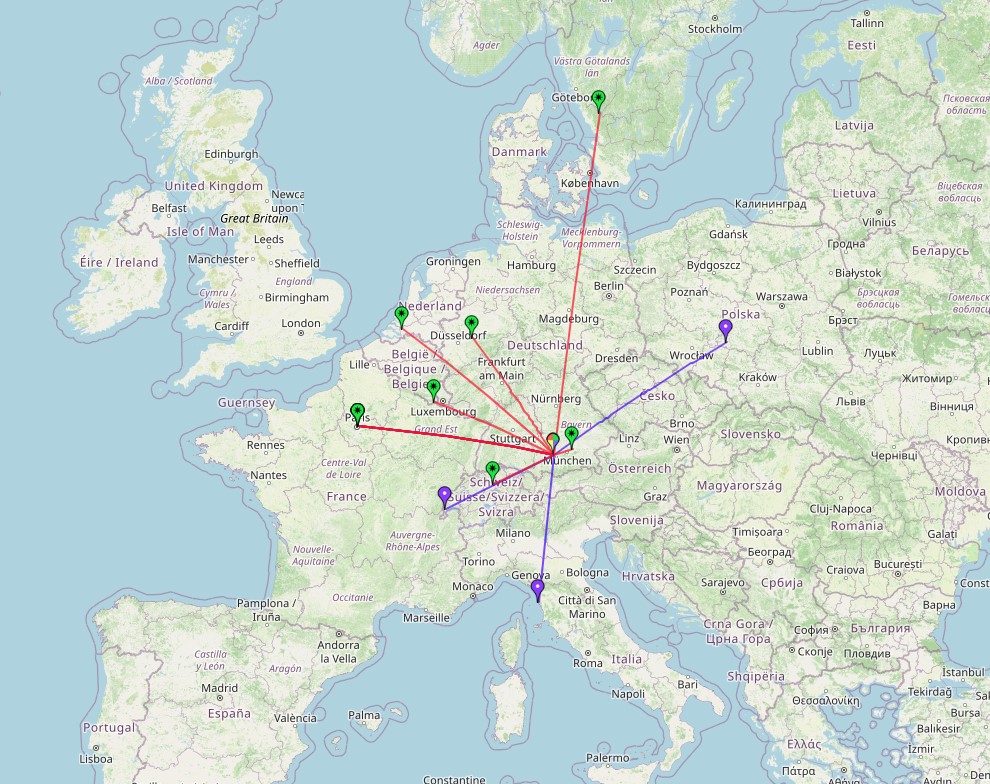
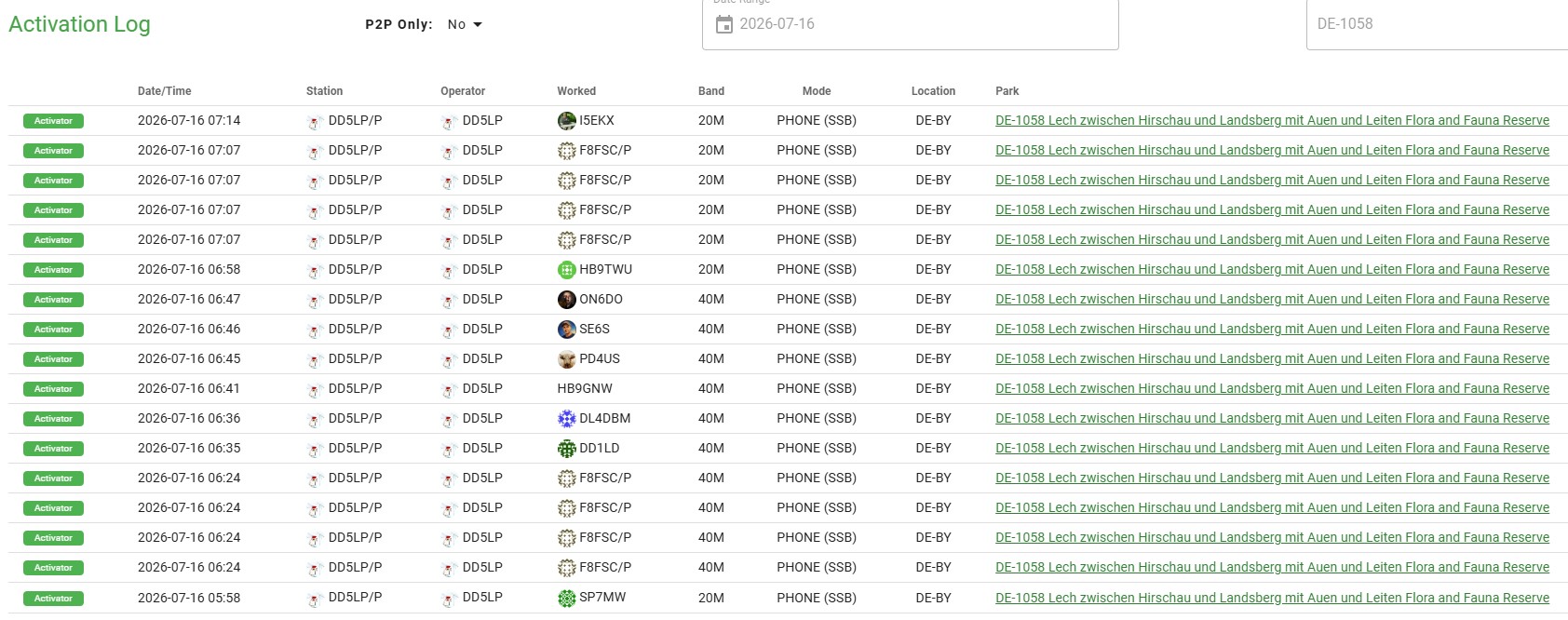
After setting up the equipment, I tuned around 20m to see how it was performing, and the first station I found was Jon VK7JON/M – one of the Australian friends that I often talk with and had hoped to contact. He was not a strong signal, though – S2 at best, and he runs 100W from his static mobile location while I was only running 5w. I called him – no reply. I messaged him, and we tried again – nothing – I could hear him, but he could not hear me. He then had Mike VK7MD/M call me, but Mike was even weaker at S1, so that did not work either. Even Ernie VK3DET with his high power and beam was not audible to me. This was to be the story of this activation. The band, whether 20m or 40m, which I tried as I needed contacts for the POTA activation, was very difficult. It was not that the bands were noisy, rather that the signals were simply not travelling as they usually do. I even received a report on 40 metres of 1-1 from a station in Munich! Then in contrast I got a 5-9 report from Central Switzerland, so today was a strage one for conditions. Of course, initially I worried that something might be wrong with my radio or antenna with those low reports (even for QRP) but then the good reports told me that in fact it was simply radio conditions that were bad today.
Once I had the needed 10 contacts (including one P2P with another 4-fer POTA location in France), I needed to pack up and head back to the car as my wife needed it. The walk back was fine as I knew the route. Of course it was no where as easy as the trip in as this time it was up-hill.
The strange technical issue was that at one point I was hearing what I presume was Radio China right across the band. Weak but there behind other signals. Given that it was there over the complete band, I can only think that they are transmitting on a frequency that is mixing to make the IF frequency of this radio, with a very strong signal (they use Europe-based transmitters as well as those in the Far East) that it was breaking through.
Photos:
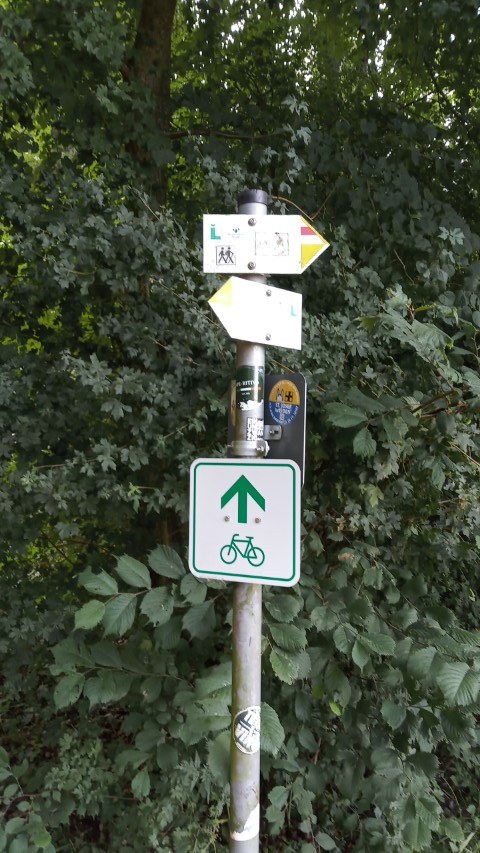
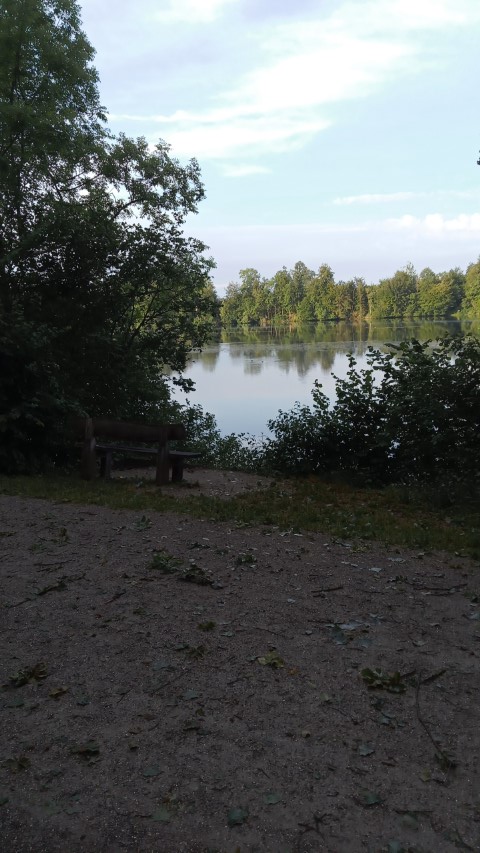

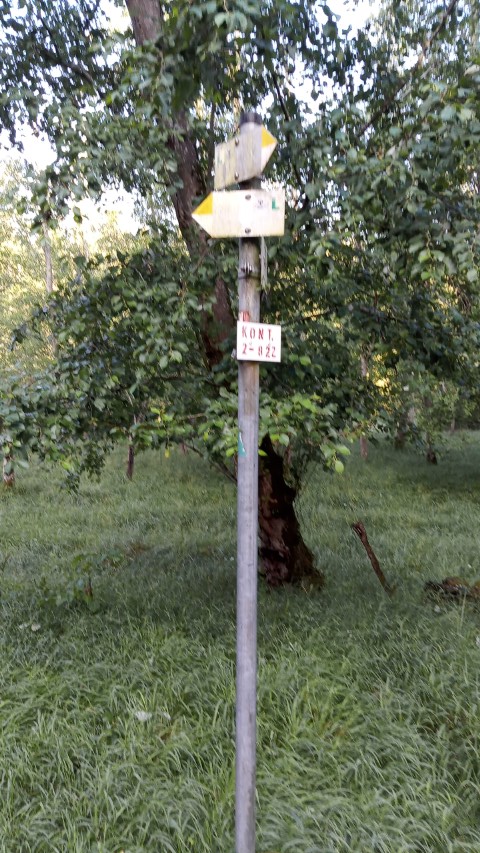
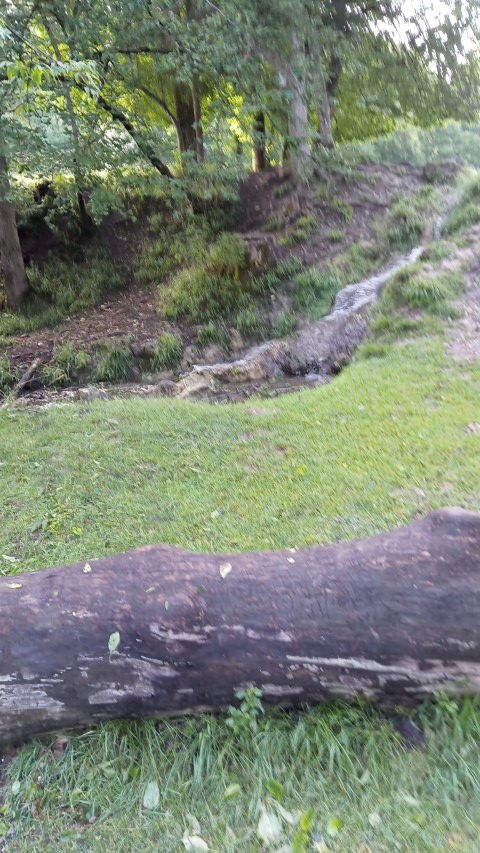
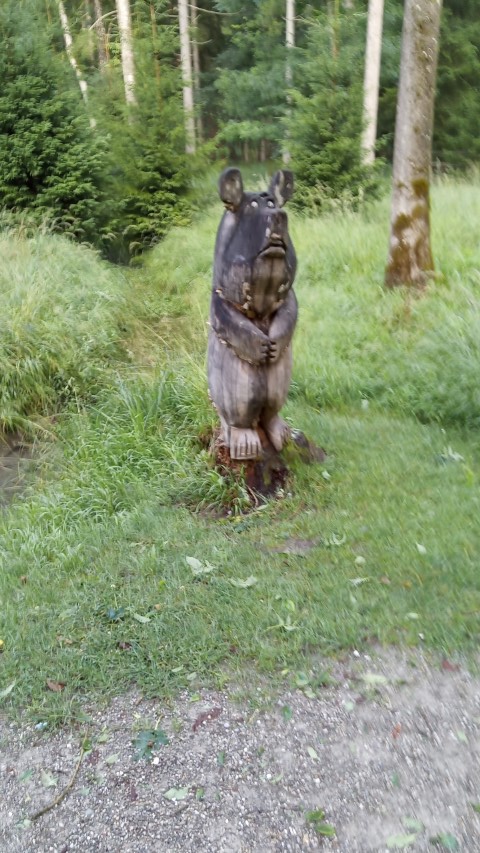
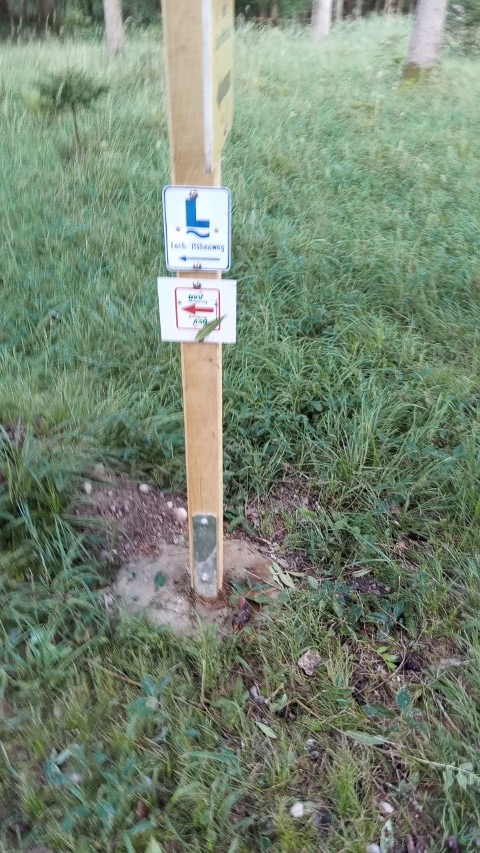

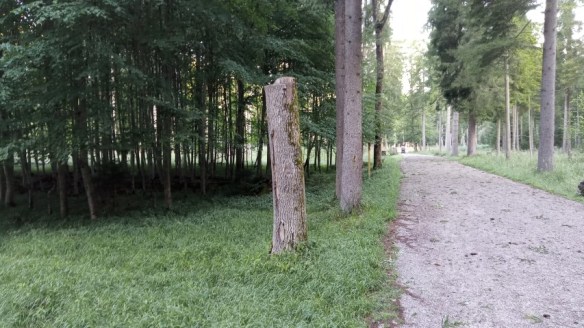


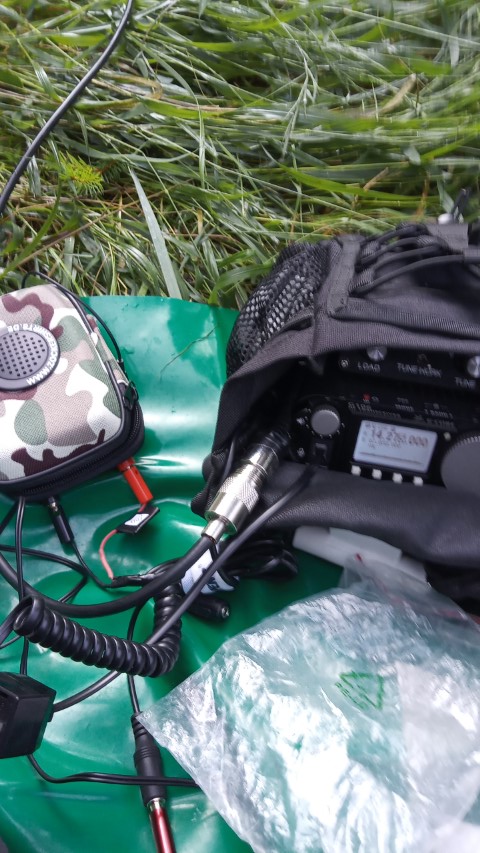
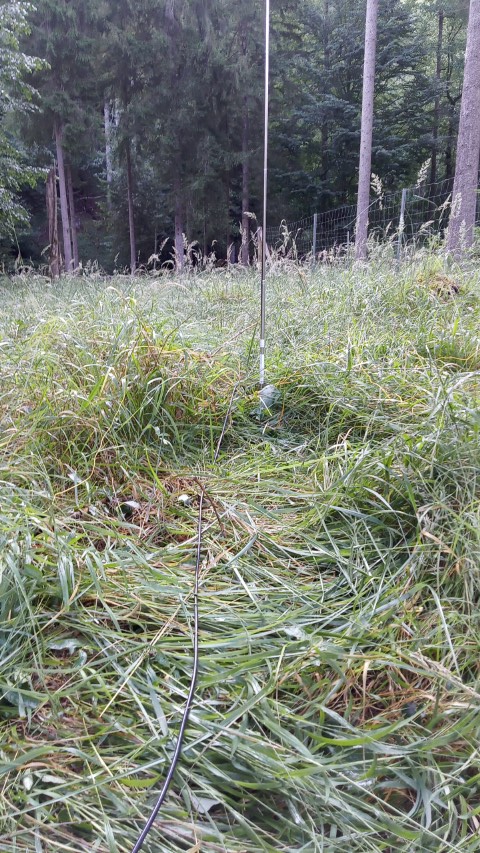
B/DL-1193 / DE-1058 / DE-0968 / DE-0791 / DE-0663
Equipment taken:
- Xiegu G-106 radio.
- “Red Slug” ground mounted quarter-wave vertical.
- 2Ah Eremit LifePO4 battery.
- Lightweight headphones.
- Smartphone for spotting.
Contacts Map
LOG:
Conclusions:
I was surprised that conditions were so bad but happy that the weather stayed dry. The lightweight pack is far easier to carry than the usual kit, however, had anything failed, I had little back-up possibility, whereas with the larger pack, I have several spares. Two antennas mast/tripod, even extra batteries.
For what it is, the cheap G106 rather competes above its weight, as does the simple quarter-wave antenna made with a 5.6m telescopic whip, the “slug” feed point and its ground stake. I am happy to take this small kit to Cyprus, with some spares in a second bag, which will stay in the apartment unless needed, so keeping the carried weight down.
73 ’til the next activation!


You must be logged in to post a comment.