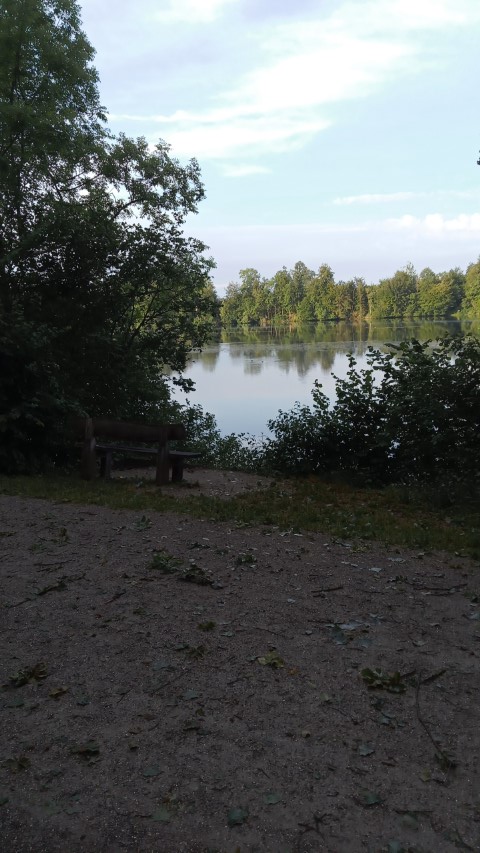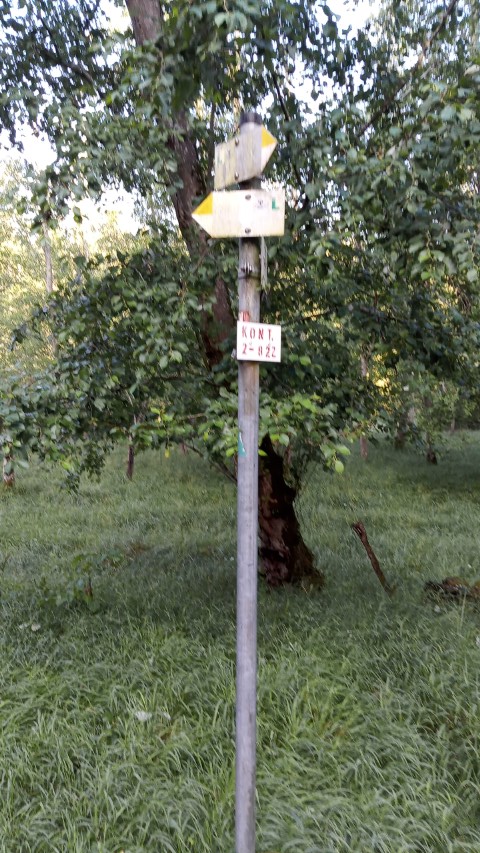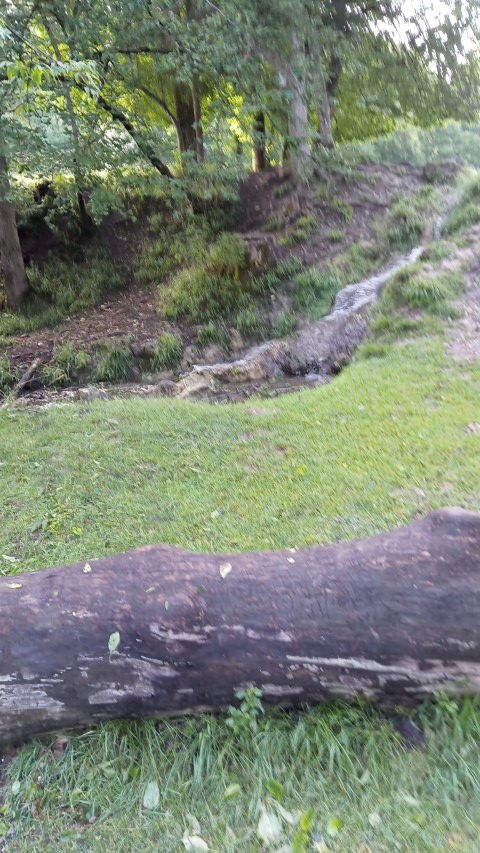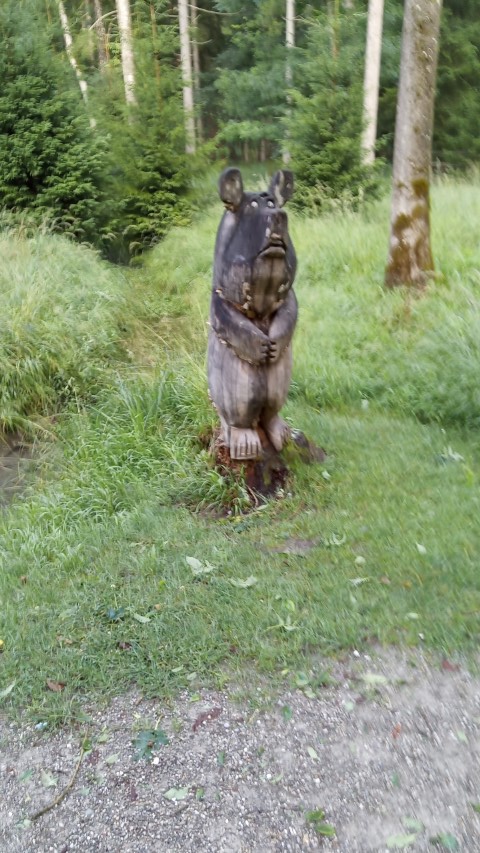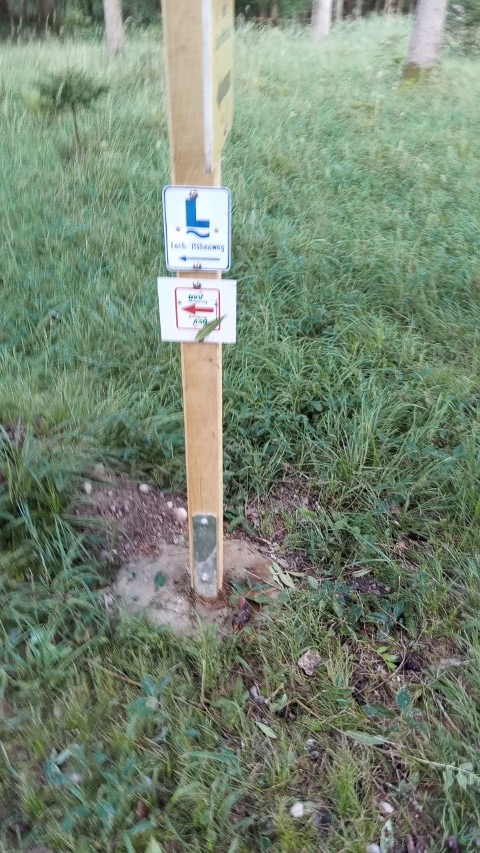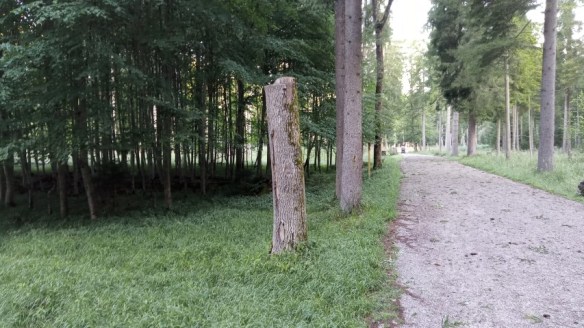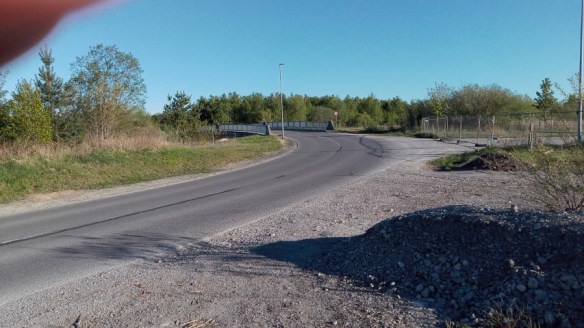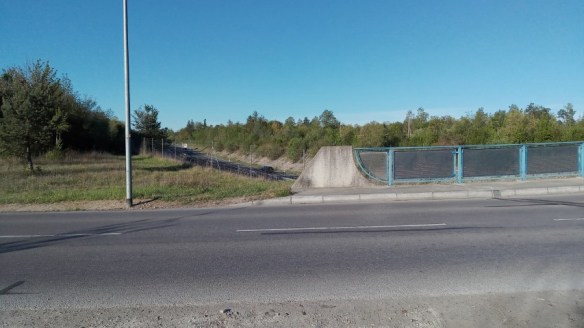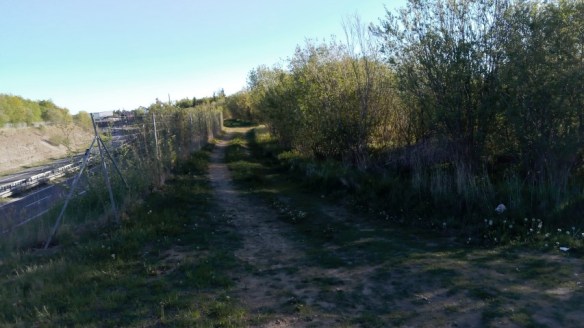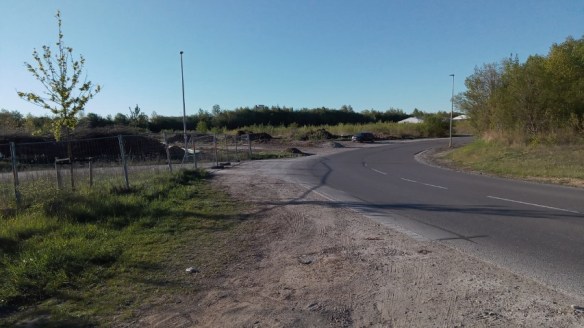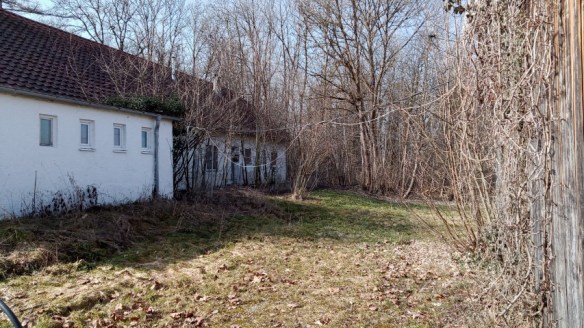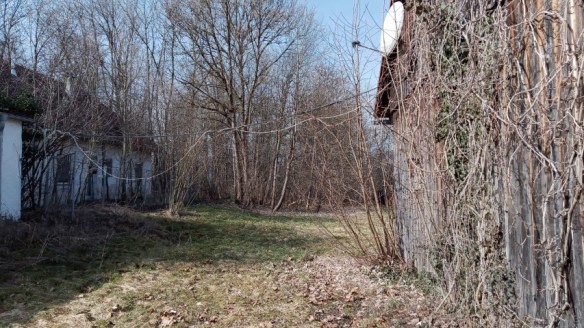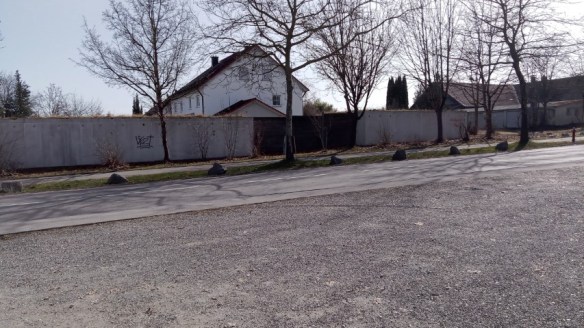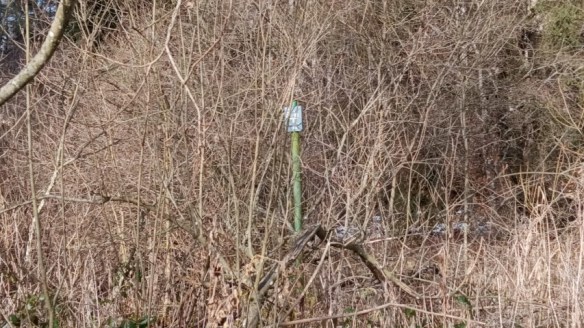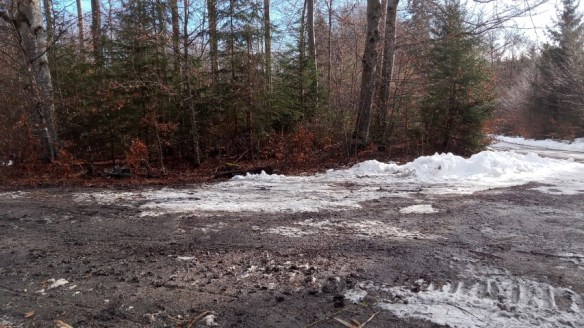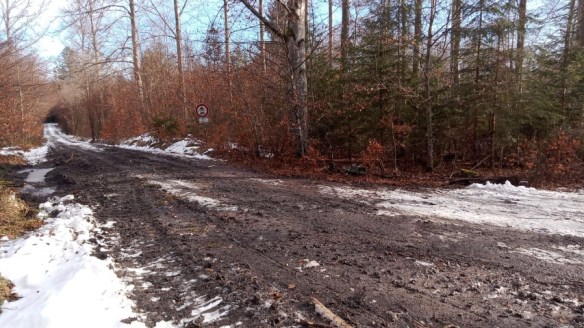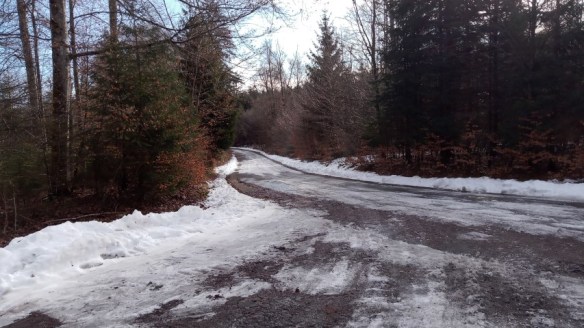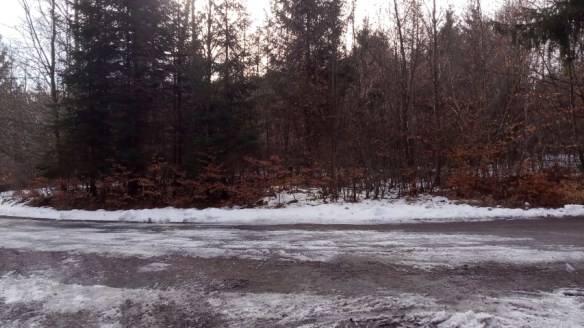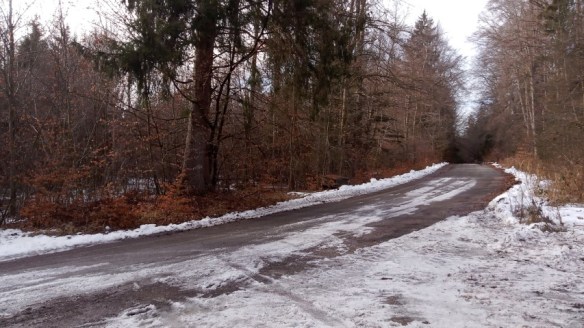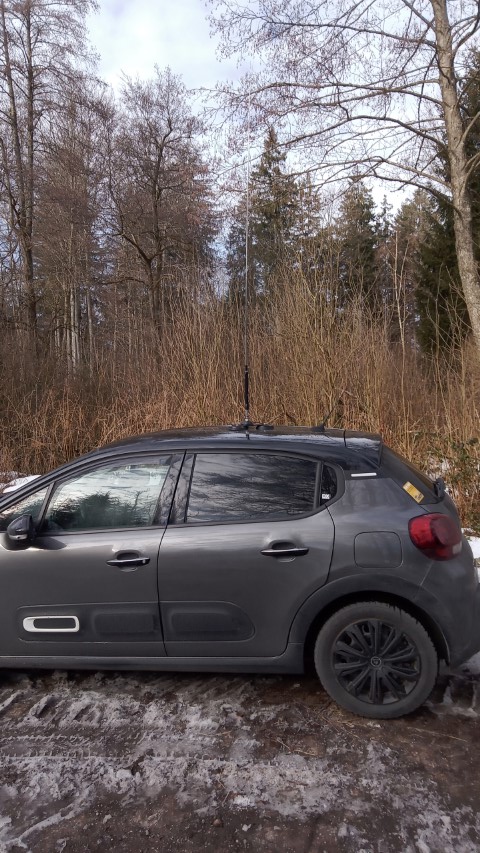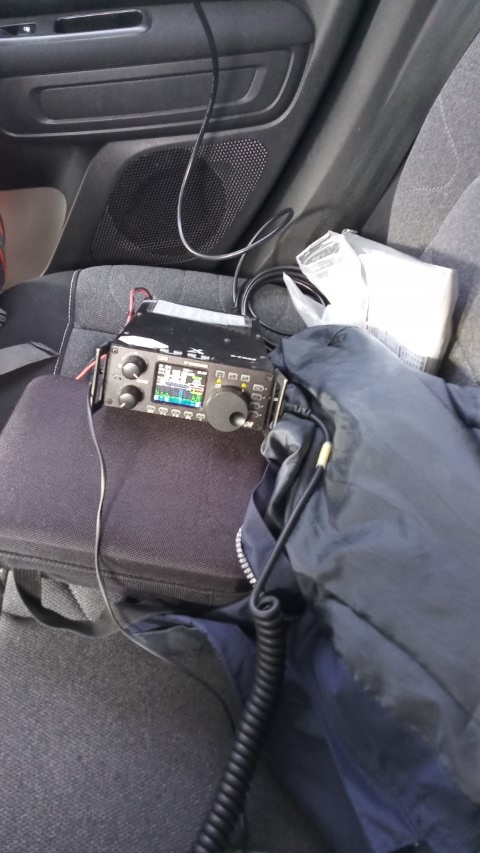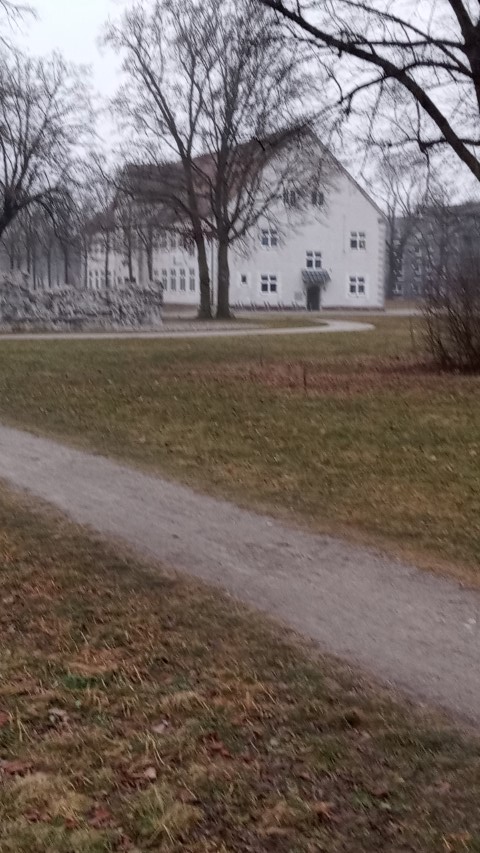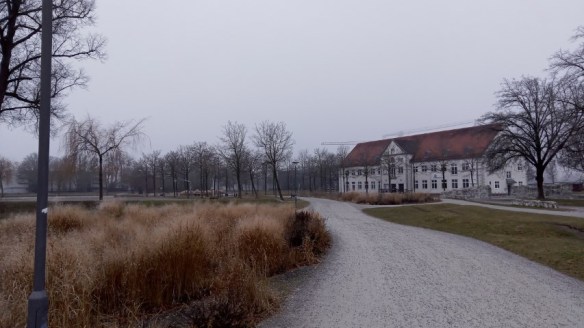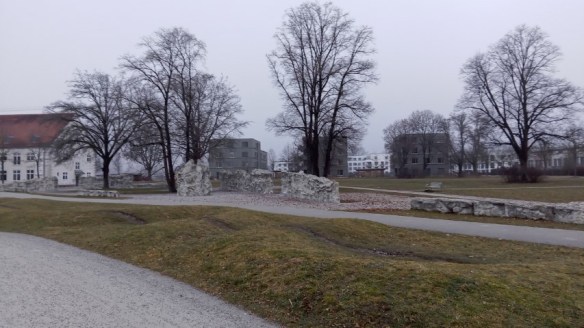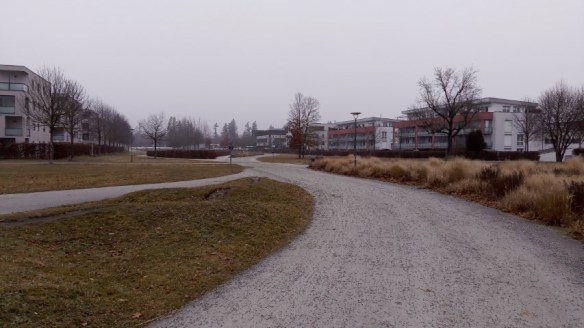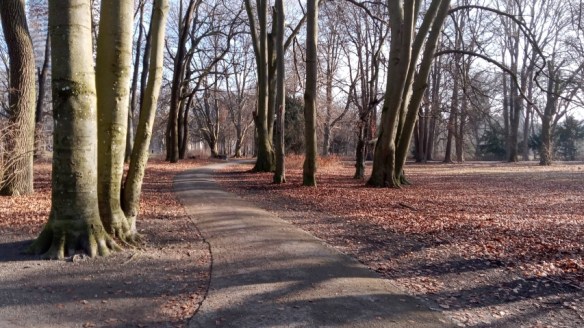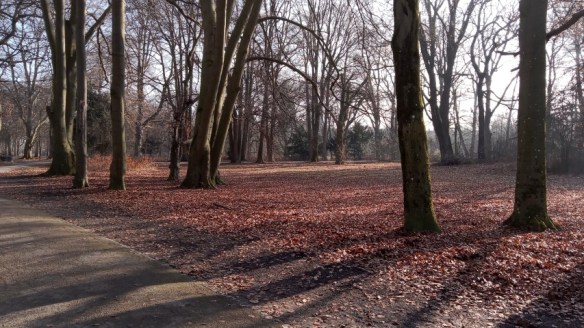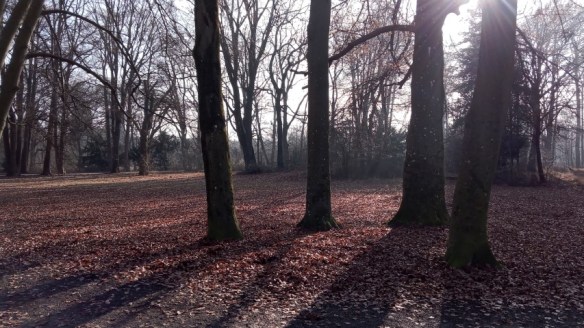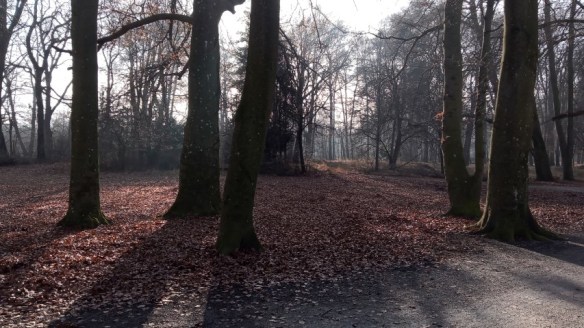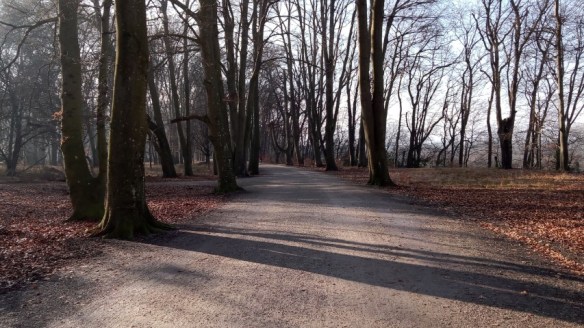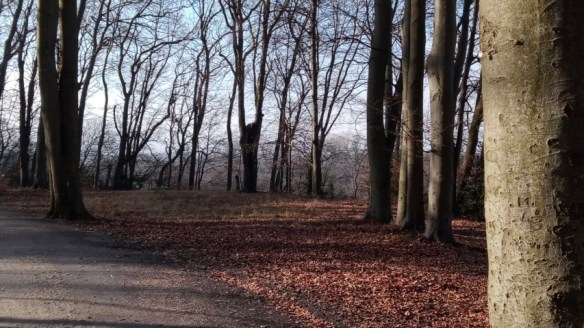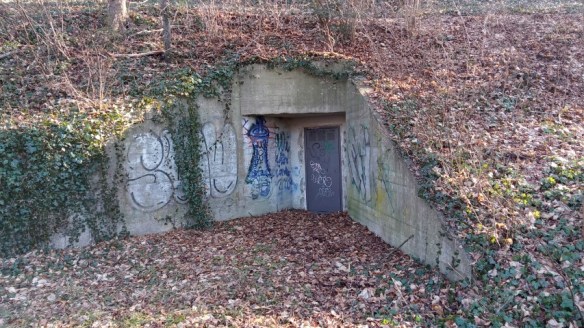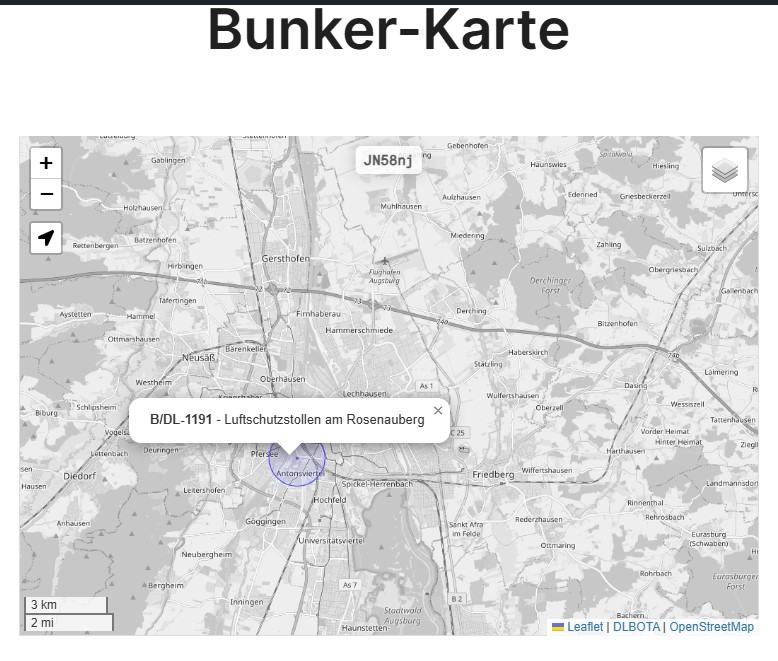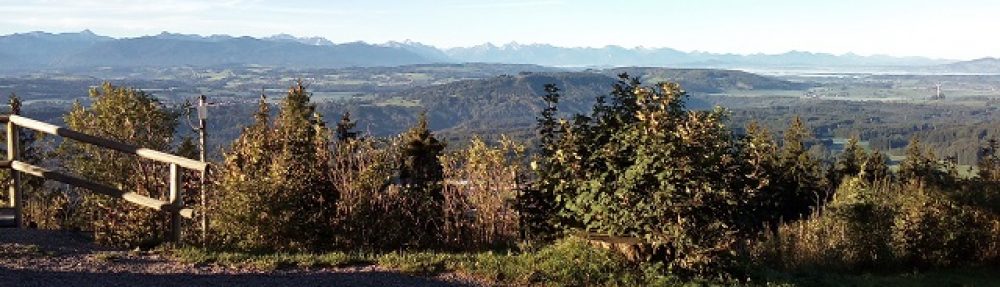
DD5LP/P – July 16th 2026 – Activation of POTA DE-1058 Lech zwischen Hirshau & Landsberg, DE-0968 Romantischestraße NHT, DE-0791 Lech Erlebnisweg NHT, DE-0663 Lechpark Pössinger Au Nature Recreation Area and DL-BOTA (Bunkers on the air) B/DL-1193 Landsberger Scholßberggarage atombunker.

Preparation:

This POTA “4-fer” is a nearby location (within the same Maidenhead locator square as my home), however, it is only accessible on foot or by bicycle, not a PLOTA by any means! It also happens to be within the allowed 1 km radius of the Atom Bunker in Landsberg am Lech (B/DL-1193 in the Bunkers on the Air scheme).

To activate this point a fairly long walk from the nearest car park is needed – about 20 minutes, even taking the short-cut tracks that I found checking hiking maps. My usual 14-15 kilo heavy rucksack with my G90 fibreglass mast antennas and battery, while do-able is not the best option, especially when I have been working on aa lightweight ~ 4 kilo pack that I will take to Cyprus with me in August. This therefore would be a good opportunity to test out this QRP solution.

Despite earlier weather reports saying this week would be hot and sunny, Tuesday and Wednesday brought thunderstorms and even hail, so the planned activation on Thursday would depend upon what the weather would turn out to be. I set my alarm to 6 am (0600 UTC) with the hope of catching the long path on 20 metres into Australia.

The Activation

BOTA B/DL-1193, POTA DE-1058, 0968, 0791 & 0663

Rising at 6 am, the sky still looked overcast and given the downpour over the last two days there was a good chance that the tracks down into the park may be unpassable. Despite that, I decided to try – at worst this would act as a “reccie” for a second attempt.

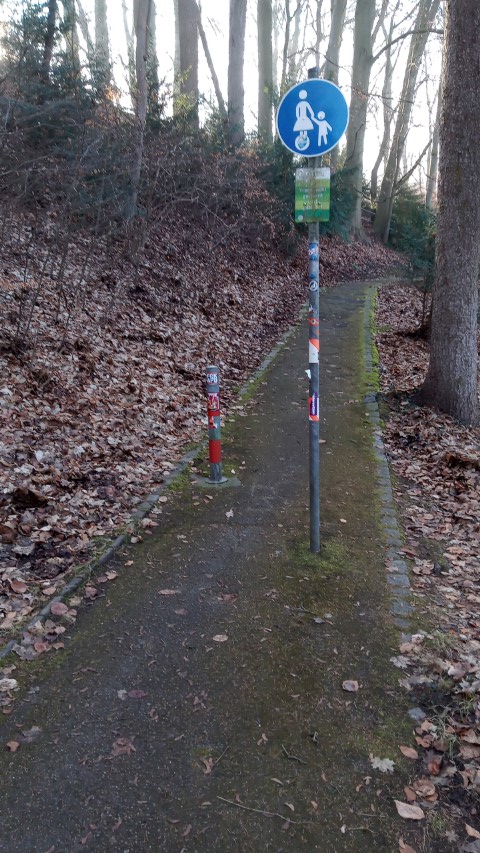
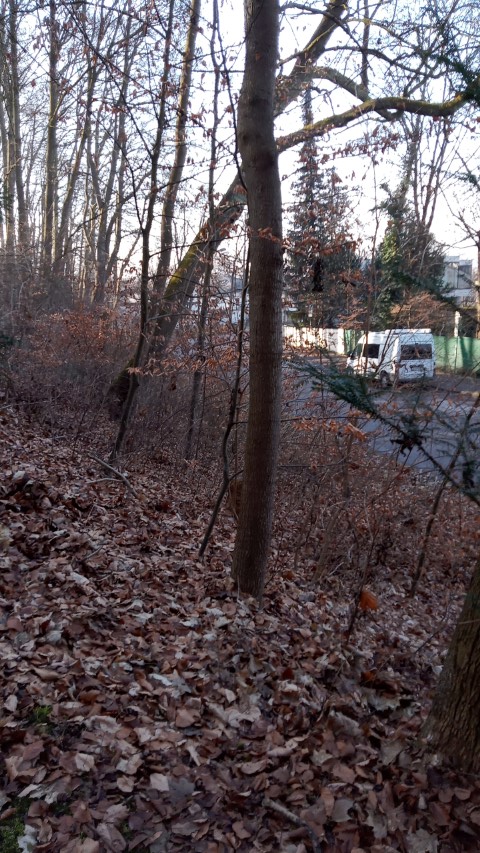
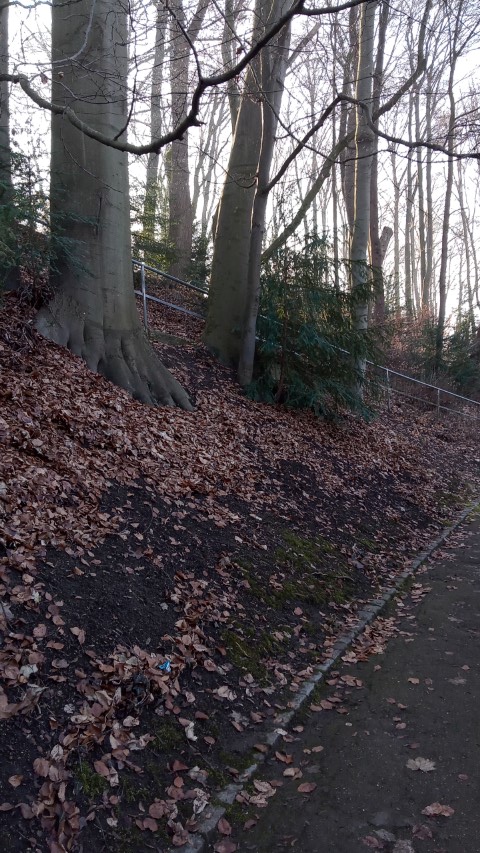
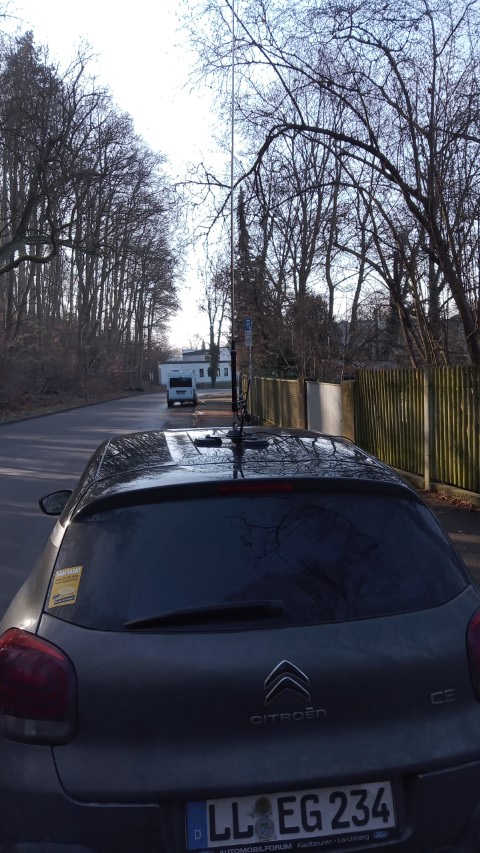
Arriving at the car park behind the caravan camping grounds, I parked up and then grabbed my small rucksack and headed back up the road, to where the track was supposed to start. When I got there, I saw that the track had had a wooden barrier built across it, but it was obvious people had simply walked around the end of it, so I did the same. A little further down the track, there were red and white tapes strung between the trees. Obviously someone did not want this track to be used. Whatever, I clambered around the tree to join the track at the other side. Interesting, from this point there was a worse-looking track heading straight up the bank to near the car park, which then became the (shorter) route that I took on my return journey. The rest of my route was, as on my map, and I soon arrived at the area where, on one side, there is a cycle parking spot and at the other a Kneipp basin (a small area of water with stones in the bottom of it, which people walk over to improve their feet and ankles). Just past the cycle parking area, there was a grassy area going off towards the river, which suited me perfectly (apart from the high, wet grass). Luckily, this had not turned into a bog from all of the recent rain.

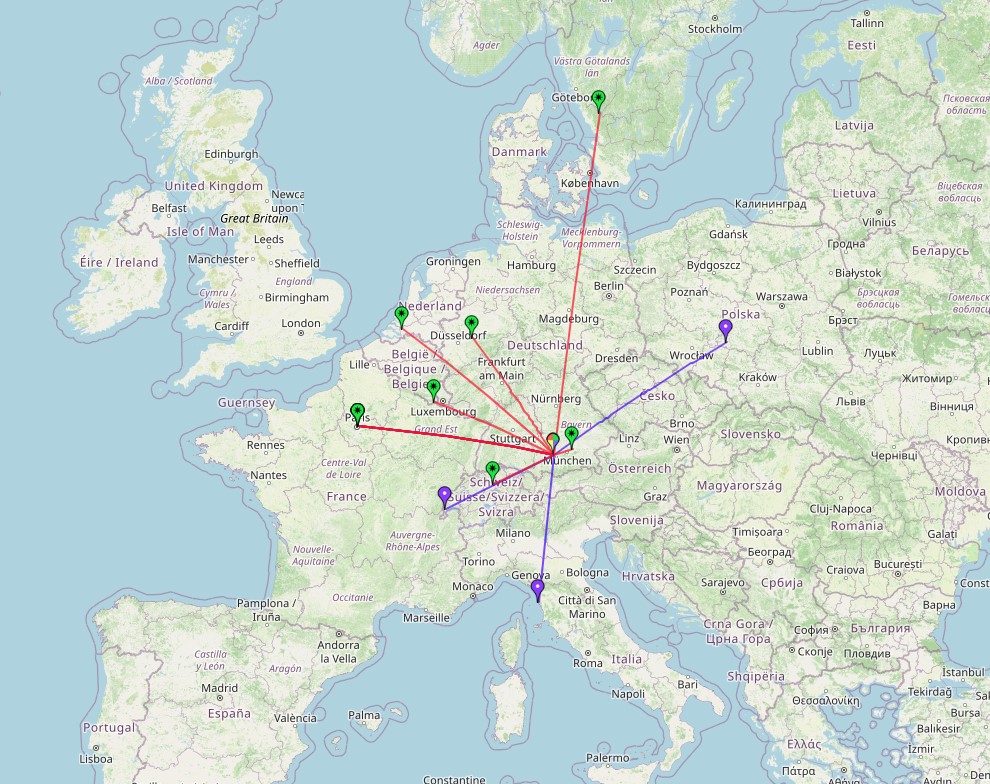
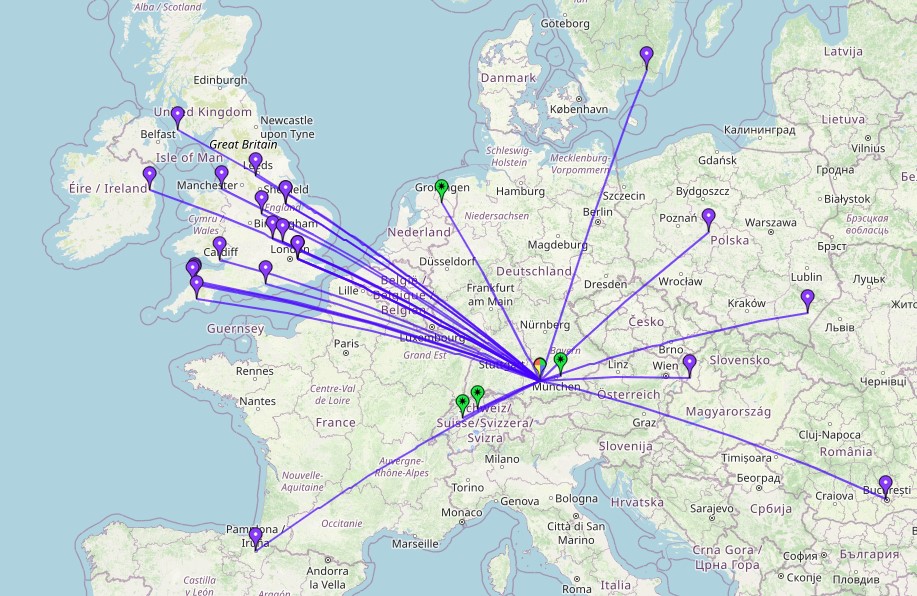
After setting up the equipment, I tuned around 20m to see how it was performing, and the first station I found was Jon VK7JON/M – one of the Australian friends that I often talk with and had hoped to contact. He was not a strong signal, though – S2 at best, and he runs 100W from his static mobile location while I was only running 5w. I called him – no reply. I messaged him, and we tried again – nothing – I could hear him, but he could not hear me. He then had Mike VK7MD/M call me, but Mike was even weaker at S1, so that did not work either. Even Ernie VK3DET with his high power and beam was not audible to me. This was to be the story of this activation. The band, whether 20m or 40m, which I tried as I needed contacts for the POTA activation, was very difficult. It was not that the bands were noisy, rather that the signals were simply not travelling as they usually do. I even received a report on 40 metres of 1-1 from a station in Munich! Then in contrast I got a 5-9 report from Central Switzerland, so today was a strage one for conditions. Of course, initially I worried that something might be wrong with my radio or antenna with those low reports (even for QRP) but then the good reports told me that in fact it was simply radio conditions that were bad today.

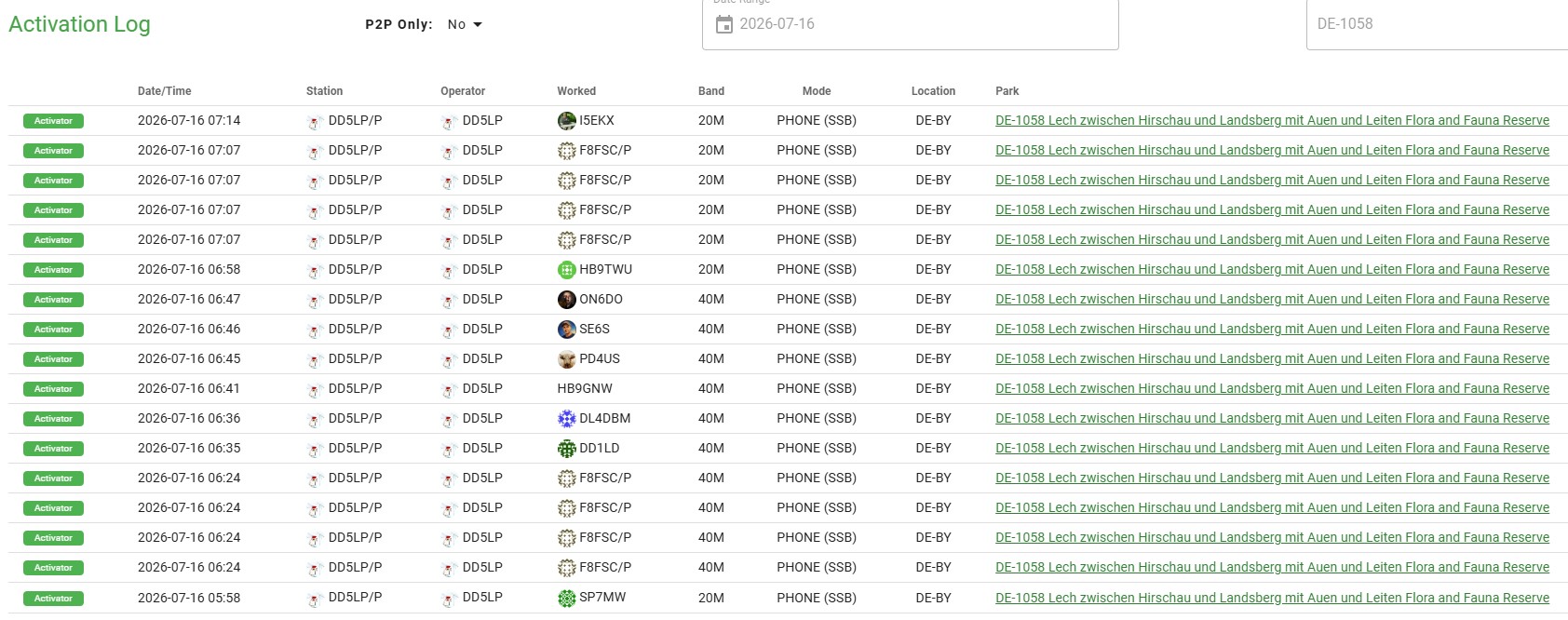
Once I had the needed 10 contacts (including one P2P with another 4-fer POTA location in France), I needed to pack up and head back to the car as my wife needed it. The walk back was fine as I knew the route. Of course it was no where as easy as the trip in as this time it was up-hill.

The strange technical issue was that at one point I was hearing what I presume was Radio China right across the band. Weak but there behind other signals. Given that it was there over the complete band, I can only think that they are transmitting on a frequency that is mixing to make the IF frequency of this radio, with a very strong signal (they use Europe-based transmitters as well as those in the Far East) that it was breaking through.

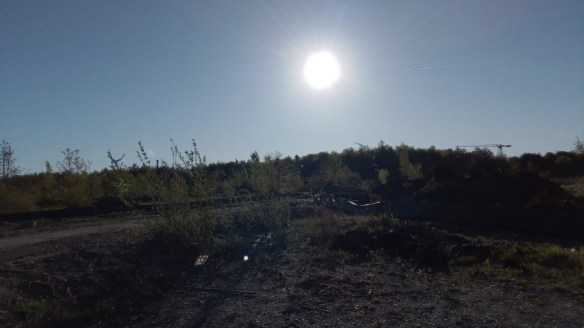
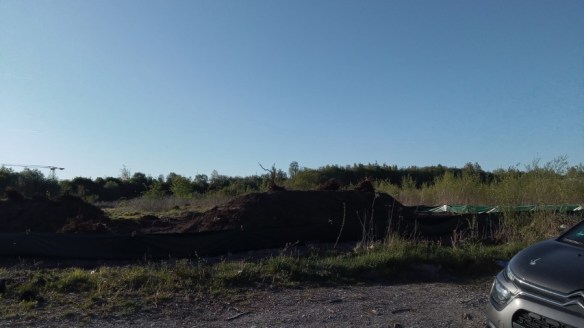
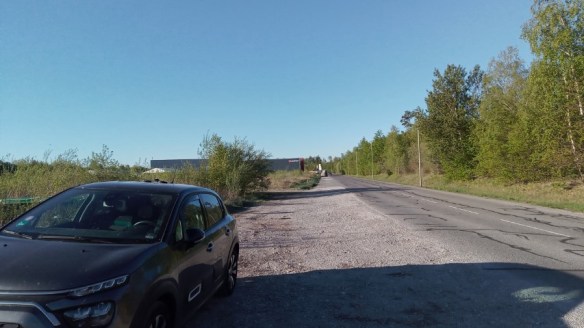
Photos:
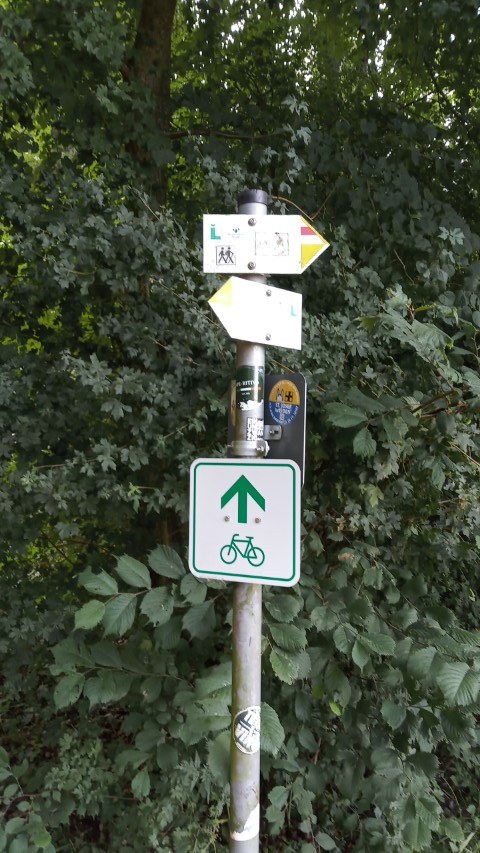
B/DL-1193 / DE-1058 / DE-0968 / DE-0791 / DE-0663

Equipment taken:

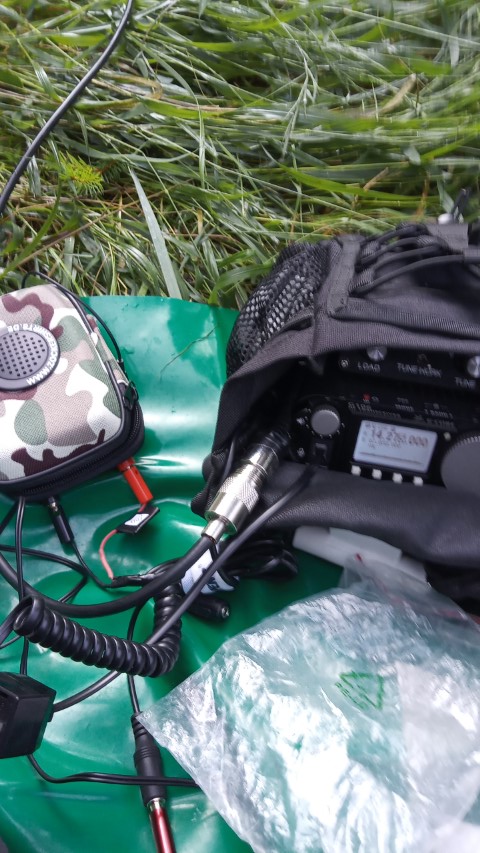
  • Xiegu G-106 radio.
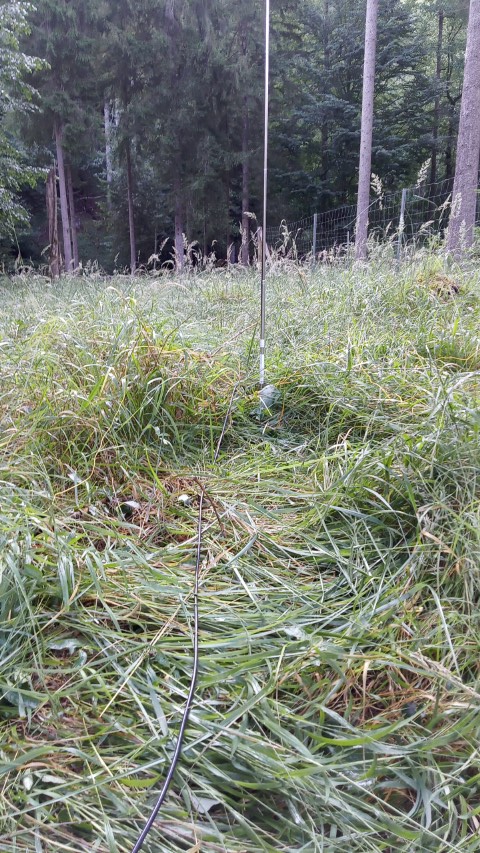
  • “Red Slug” ground mounted quarter-wave vertical.
  • 2Ah Eremit LifePO4 battery.
  • Lightweight headphones.
  • Smartphone for spotting.

Contacts Map

LOG:
Conclusions:

I was surprised that conditions were so bad but happy that the weather stayed dry. The lightweight pack is far easier to carry than the usual kit, however, had anything failed, I had little back-up possibility, whereas with the larger pack, I have several spares. Two antennas mast/tripod, even extra batteries.

For what it is, the cheap G106 rather competes above its weight, as does the simple quarter-wave antenna made with a 5.6m telescopic whip, the “slug” feed point and its ground stake. I am happy to take this small kit to Cyprus, with some spares in a second bag, which will stay in the apartment unless needed, so keeping the carried weight down.

73 ’til the next activation!
DD5LP/P – May 2nd 2026 – Activation of DL_BOTA B/DL-1194 Weingut II Bunker

Preparation:

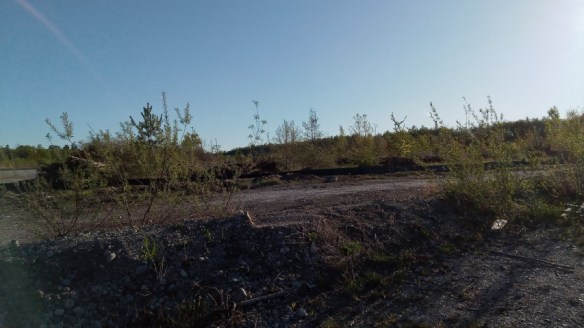
A bunker that I proposed about 2 months ago had been authorised in the May updates of DL Bunkers on the Air, so with the wish to be the first activator of this bunker, I scouted out the 1 km activation area. Most of the area is still under military control and only opens to the public once or twice a year to visit this World War II bunker. However, the activation area also goes into the industrial area of Landsberg am Lech, and I found a place there on the map where I could park and operate from, inside the car. As usual, the normal configuration (G90 plus HF-PRO2) were loaded into the car the day before the activation.

Up until now, I had combined my DL-BOTA activations with POTA ones. This would be my first “pure-Bunker” activation.

The Activation

BOTA B/DL-1194

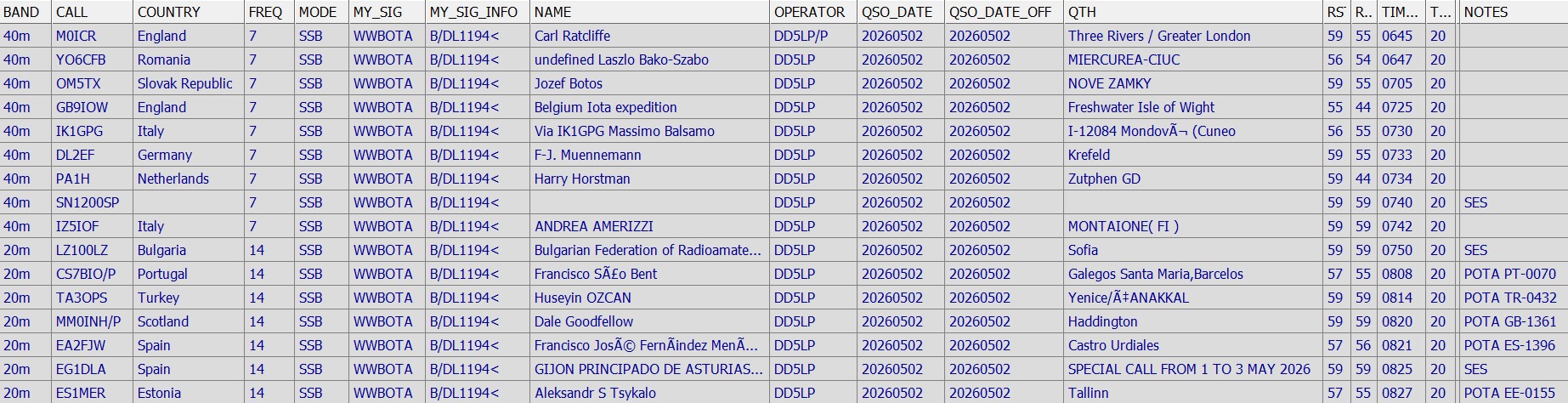
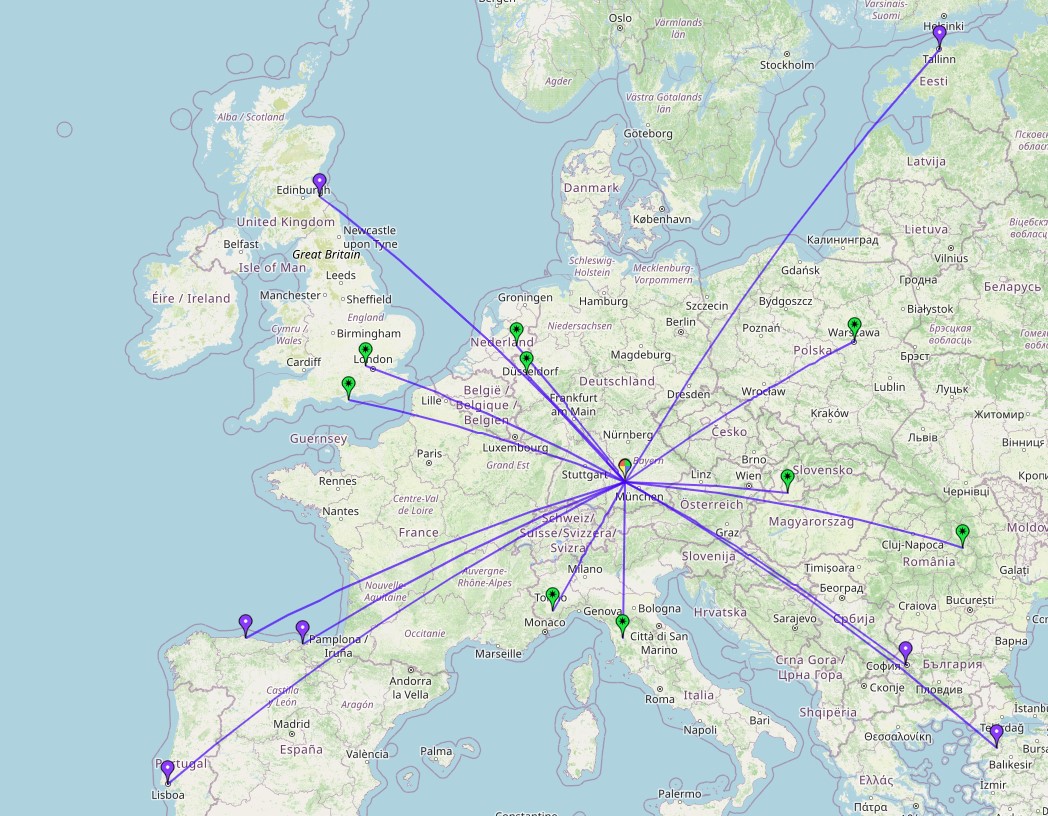
The activation spot is a 14-minute drive away from my home, so it’s not a long drive. I did want to get started early for some possible long path contacts into VK & ZL, so I left home at 05:30 UTC (7:30 am local) and was set up and on-air by 05:50 UTC. The first station I heard when tuning around on 20m was NP2OJ maritime mobile in the Caribbean. He was strong, but unfortunately, he did not hear me calling him. It would have been a great contact to start the log with, but despite the 20m band being open for at least 4 hours from Europe to Australia/New Zealand, I was not able to get any contacts “down under” today. Being a Saturday, even the VKs and ZLs that I was hearing at a true 59 signal level were not open to me, as other high-power stations with beams would always get in first. My little 20w SSB and loaded whip station was definitely getting signals down there, but I was simply being swamped by others. This is the advantage of having skeds with friends in VK. Unfortunately, none were available on this day. Radio conditions had been very difficult for DX over the last few days, so the temptation for portable low-power stations to go out on this Saturday was greatly reduced. It’s a shame as the 20m band was certainly performing very well.

I spotted myself on both the WW-BOTA cluster and the DX cluster, but had great difficulties getting any callers on 20m or 40m, so many of my contacts were “hunt & pounce” – i.e. look for others calling CQ and call them as “a contact is a contact”, it doesn’t have to be with someone hunting bunkers. In the Bunker scheme it is more difficult to qualify a site as it needs to have 15 contacts, not the 10 for POTA or 4 for SOTA, GMA or HEMA. Initially, I tried calling CQ and also searching on 20 & 40m, and I slowly got some contacts in the log. My rescue was when the POTA activators appeared to have got to their sites a little later, I was able to hunt them and build up my contacts score – ending with 16 contacts, just one more than the minimum needed. Out of those contacts, I think 3 or possibly 4 were Bunker hunters, 3 were special Event stations, and five were POTA activators.

The activation did not run without its problems, though. Possibly as the car had heated up in the 2.5 hours of operation, but at one point, in the middle of a CQ call, all power disappeared, and after disconnecting and reconnecting the power leads to the LifePO4 battery, the radio had reset itself to factory defaults. This power outage, luckily, only happened once. I also had to restart my smartphone a few times as one of the spotting programs (presumably the WW-BOTA one, as I hadn’t used that before) caused the screen to stop taking any presses of on-screen functions, and the only action was to turn off and restart the phone. This happened three times at least.

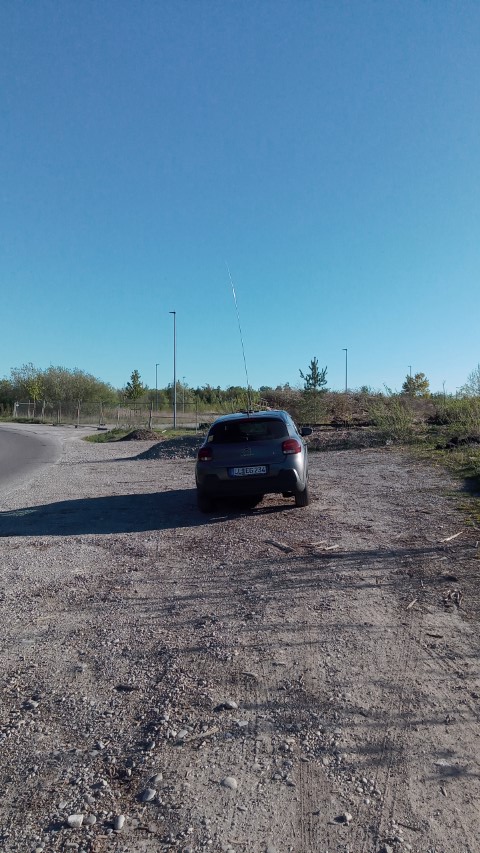
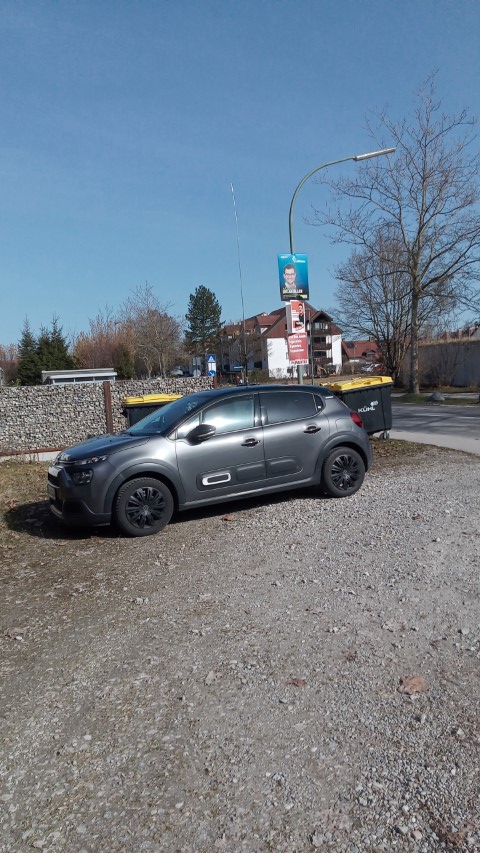
Photos:

Equipment taken:

  • Xiegu G-90 radio.
  • Komunica Power HF-PRO2-PLUS-T loaded vertical antenna.
  • Linked dipole antenna (not used).
  • 6 metre fibreglass pole (not used).
  • 3-magnet car roof mount
  • Single magnet mount (not used).
  • 8 Ah LifePO4 battery.
  • 2 x 4Ah Eremit LifePO4 batteries (not used).
  • Lightweight headphones.
  • Smartphone for spotting.

Log

Conclusions:

I was surprised at the lack of Bunker hunters, especially as this was a Saturday activation. It’s also disappointing to hear so many stations breaking their licence conditions and using more power than they need to complete a contact. If all were limited to a lower power level, more contacts would take place. The radio waves get everywhere in the world (depending upon frequency and propagation conditions) whether sent with 1W or 1 kW. It’s only that the quieter signals cannot be heard because of the high-power stations that not only ruin the frequency that they are on, but also the frequencies at each side of the frequency!

My second takeaway is that at the moment, if I want to activate a Bunker, I should make sure that it is also within a POTA park, to be sure of getting enough contacts in the log. This used to be the case for POTA, where SOTA was the fallback scheme to get contacts at a combined location (many POTA trails run over the smaller SOTA summits).

73 ’til the next activation!

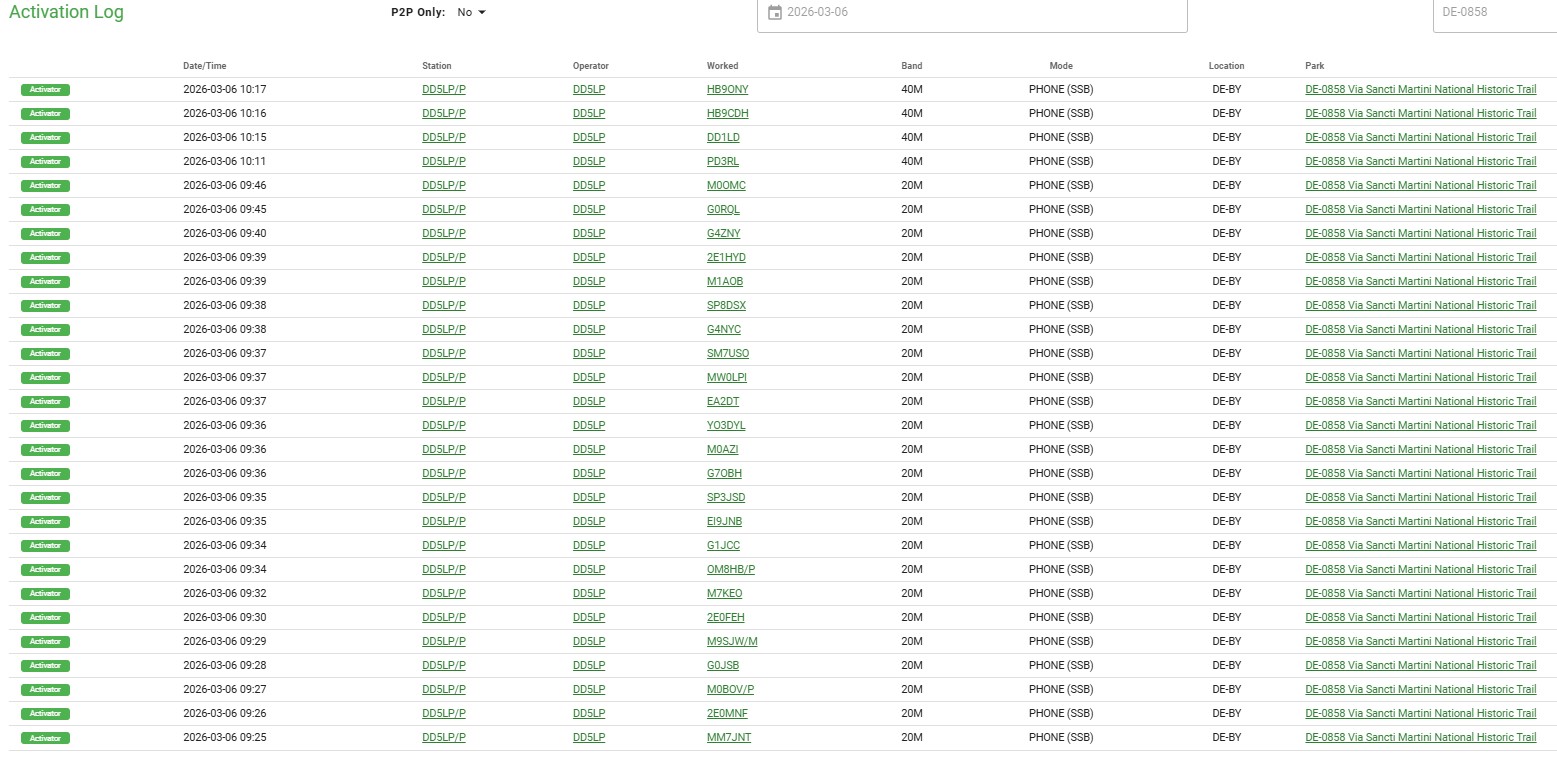
DD5LP/P – March 6th 2026 – Activation of DE-0858 Via Sancti Martini NHT and B/DL-1193 Landsberg am Lech Schlossgarage-Atombunker

Preparation:

Seeing that a bunker that I proposed had been added to the German Bunkers on the Air scheme, I wanted to get to it and activate it as the first operator. Initially, I had planned to combine this one to overlap with a POTA 4-fer in a park south of Landsberg, which would need a “real” portable operation, as the point is on a section of footpath through the wildlife park. I could only get there in a few days, so instead, I decided to “just” activate the bunker, but as I looked at the combined POTA/BOTA map at pota-map.info, I could see there were several areas in Landsberg where both a POTA and the BOTA activation would be possible. As I thought, I might have a hard time getting the needed 15 bunker chaser contacts for qualifying the Bunker, I decided that having the POTA hunters around as well would be a good idea.

When my wife told me she would need to do some shopping in the town centre the next day, the plan was formed. I would drop her off in the centre and then drive up to my spot for 60 to 90 minutes to get the bunker qualified. To keep this simple, I would use the reliable G90 and magnetic-base-mounted HF-PRO2 for the activation.

The Activation

POTA BOTA B/DL-1193 & POTA DE-0858

After dropping my wife off, the run to the planned off-road parking spot took about 5 minutes. As I had not unpacked the radio gear previously, the unpacking from the rucksack and setting up the antenna took another 10 minutes.

I had decided to start on 20 metres and tuning around, there was nothing special, just the usual strong Italian and russian hams. So I checked if the preferred BOTA 20m frequency of 14.310 was free; it was, so I spotted myself in WW-BOTA and put out a CQ. I was surprised by at least six stations coming back to my first call. It seems that Bunkers has gone Bonkers since the last time I activated, just a month ago! I had 20 contacts without a break in callers over 15-20 minutes, finishing with Don G0RQL from Devon, who I often talk to, whether it is SOTA, HEMA, POTA or now BOTA! Manual EA2DT was also in the log, someone else that I know as a chaser across multiple portable award schemes.

Once the pileup finally calmed down and after a couple of CQs with no replies, I decided to give POTA a go. After spotting on the POTA cluster, I got no calls on 20m. It seems that one of my BOTA contacts spotted me on POTA, as I was announcing that I was both near a Bunker and on a POTA trail. So, of the rush of calls, I cannot tell who was calling because of BOTA and who because of POTA!

As I had plenty of time, I decided to put out a POTA call on 40m. That was also hard work, with just four more contacts getting into the log.

I could not complain, with 28 contacts in the log, it was far more than I had expected and going by the reports I received, the simple 20W G90 and the HF20 loaded whip antenna continue to perform well.

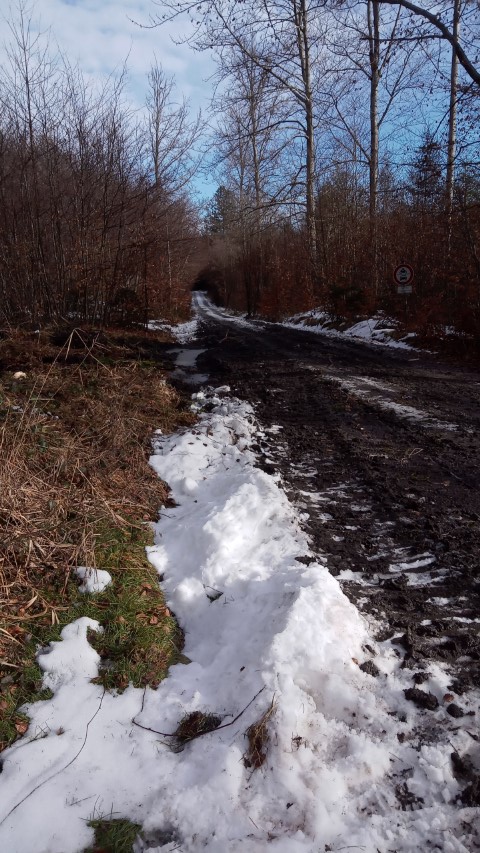
Once at the planned location, partway into the forest on an ice-covered road, the setup was quick, with just the antenna needing to be put on the 3-magnet mount on the car roof, with the coil set to the newly calibrated value for 20m. I had intended to start on 20 metres and then head to 40 metres, as I got so many contacts on 20m, the 40m action never happened.

I did announce that my location was also a Bunker, and when a Bunker chaser actually called me, I asked him to spot me on the WWBOTA site, as I could not.

Photos:

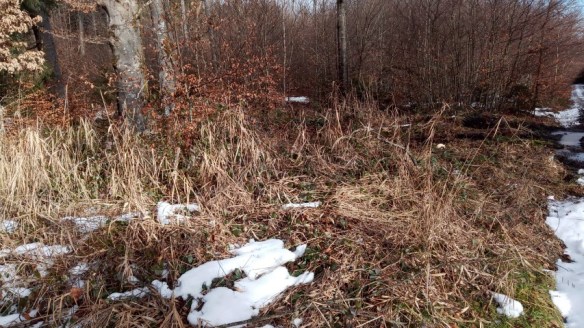
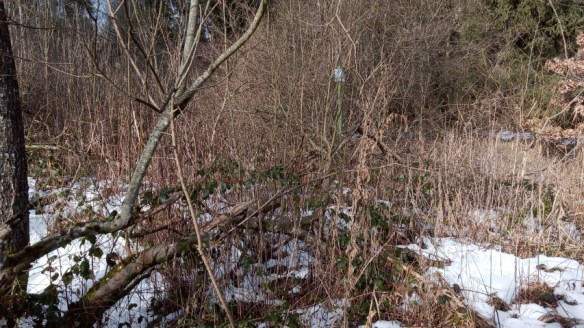
DE-0858 / B/DL-1193

Equipment taken:

  • Xiegu G-90 radio.
  • Komunica Power HF-PRO2-PLUS-T loaded vertical antenna.
  • Linked dipole antenna (not used).
  • 6 metre fibreglass pole (not used).
  • 3-magnet car roof mount
  • Single magnet mount (not used).
  • 8 Ah LifePO4 battery.
  • 2 x 4Ah Eremit LifePO4 batteries (not used).
  • Lightweight headphones.
  • Smartphone for spotting.

Contacts Map

LOG: POTA DE-0858 / BOTA B/DL-1193

Conclusions:

I was surprised at getting so many contacts for Bunkers. For a short-notice activation, the “standard” setup worked reliably again. The weather was fine for a “real” portable activation today; however, the available time was not

73 ’til the next activation!

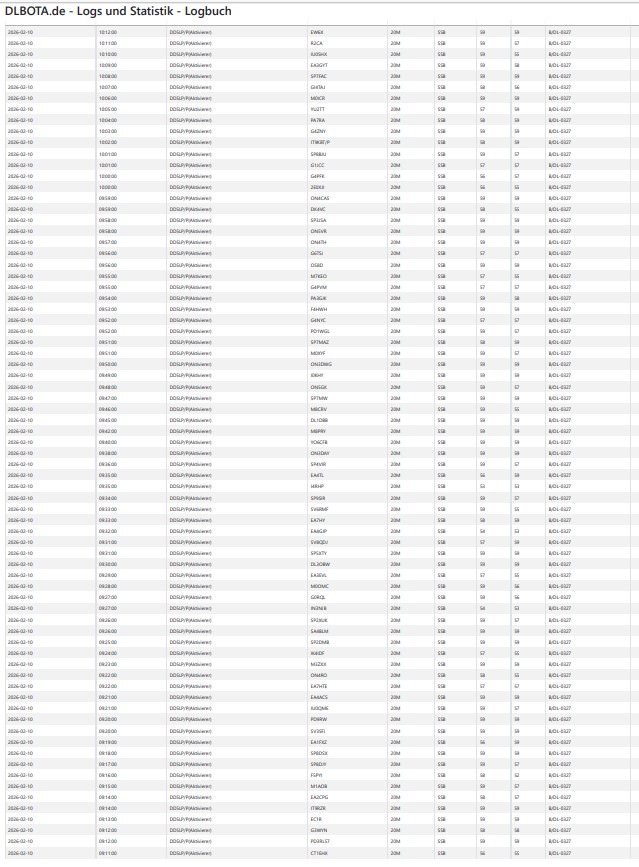
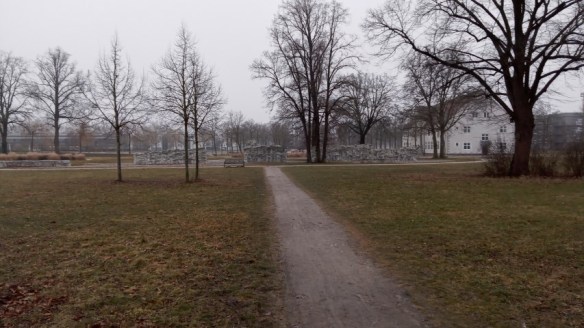
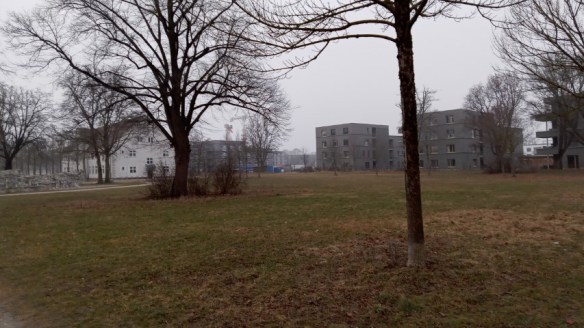
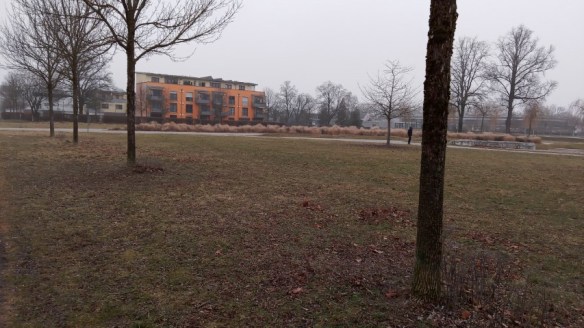
DD5LP/P – February 10th 2026 – Activation of DE-1067 Moränelandschaft zwischen Ammer and stannberger sees plus DL-BOTA Bunker B/DL-0327 Warnamt X

Preparation:

Again, a limited-time “fill-in” activation while my wife had an appointment with her orthopaedic specialist in Weilheim at the southern end of Ammersee. Checking the few local bunker sites that are currently in the DL-BOTA site, I came across Warnamt X, not too far away and a location that I know, as we recently went to an art exhibition there – the buildings above the civil defence bunker now house an artist’s commune.

Although the bunker is excluded from the POTA park DE-1067, the fact that one may activate within one kilometre of the bunker made a combined activation of POTA and DL-BOTA possible by parking just off the access road to the commune.

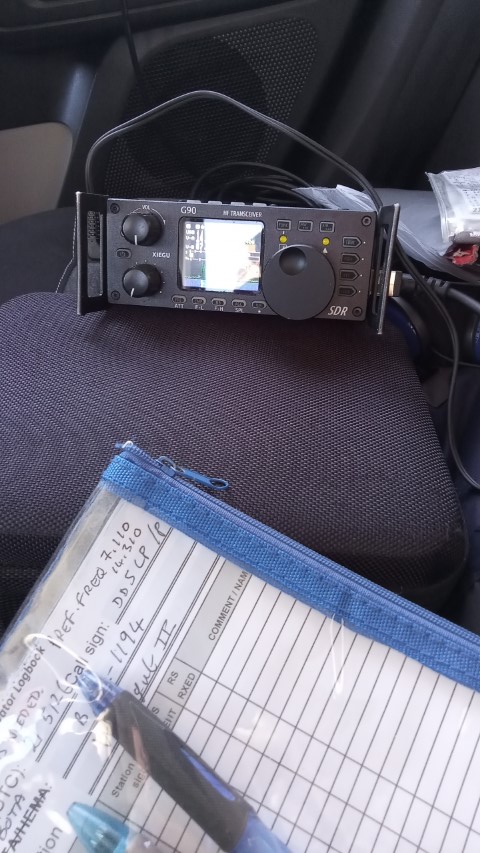
So that was the plan, with, as usual, all radio gear loaded and ready for operation in the car the day before, I was ready for this combined BLOTA/PLOTA activation. I also packed my Xiegu X-6200 radio and a second magnetic antenna mount as backups. I added an alert on both POTA and DL-BOTA for the activation.

The Activation

POTA DE-1067 & BOTA B/DL-0327

After dropping my wife off, the run to the planned off-road parking spot took about 20 minutes, mainly because of traffic stuck behind two slow-moving tractors. We had planned that my wife’s appointment would take about an hour and she would stay in a local cafe for 30 minutes afterwards, giving me 90 minutes for the trip to, radio activation and trip from the location.

Once at the planned location, partway into the forest on an ice-covered road, the setup was quick, with just the antenna needing to be put on the 3-magnet mount on the car roof, with the coil set to the newly calibrated value for 20m. I had intended to start on 20 metres and then head to 40 metres, as I got so many contacts on 20m, the 40m action never happened.

I did announce that my location was also a Bunker, and when a Bunker chaser actually called me, I asked him to spot me on the WWBOTA site, as I could not.

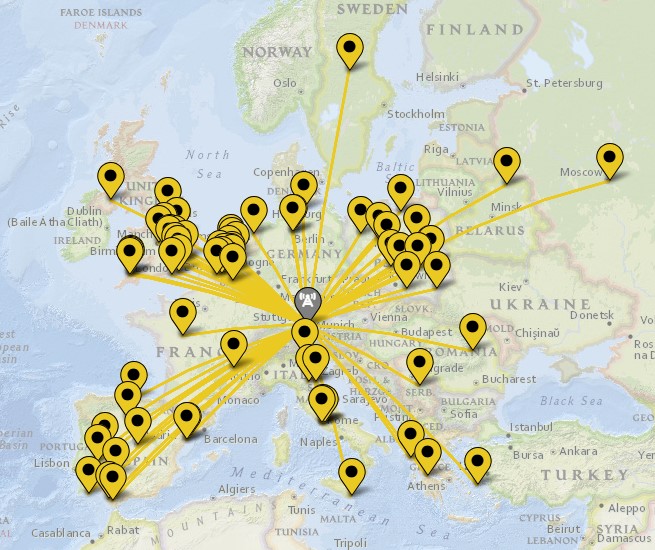
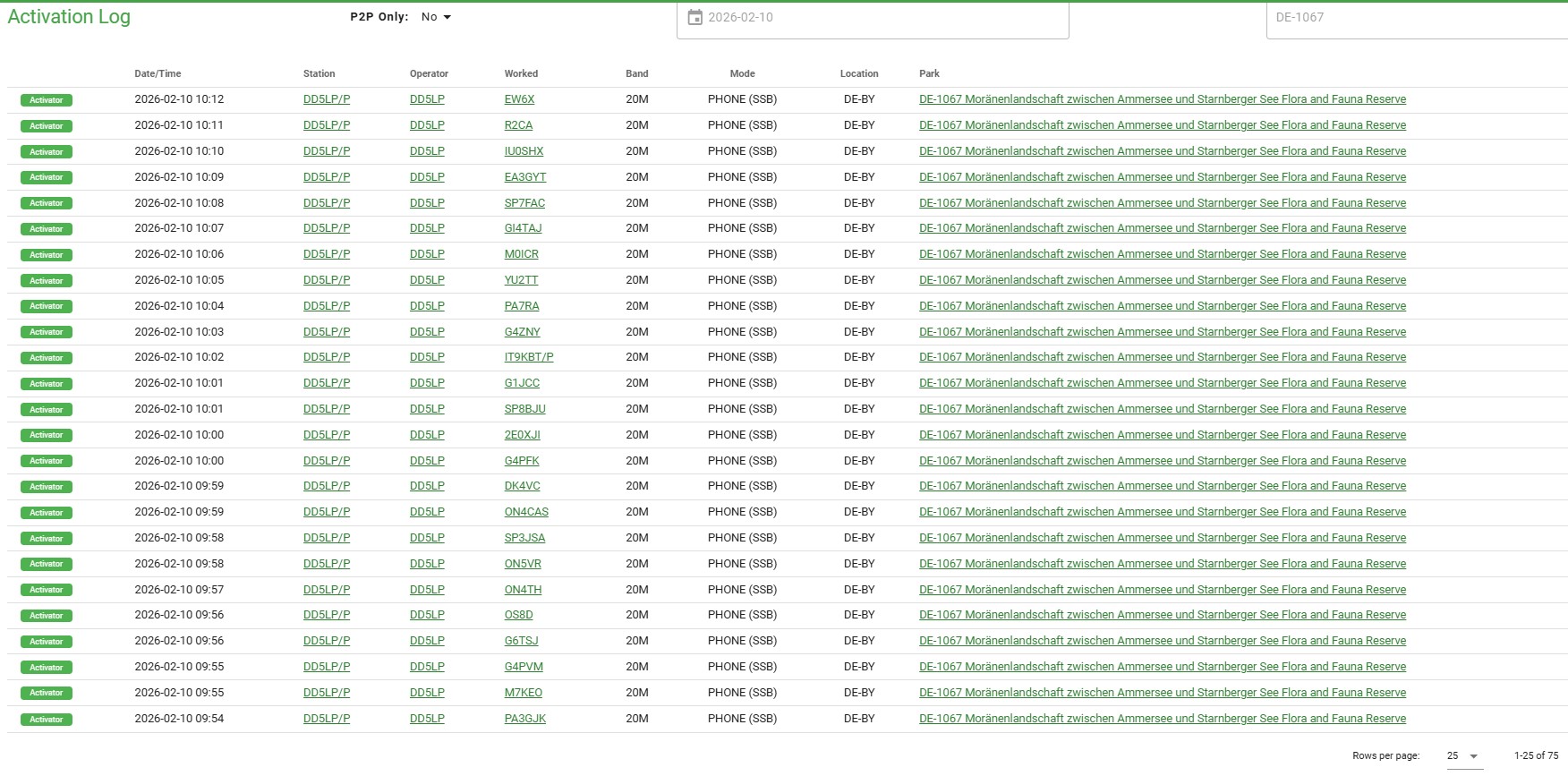
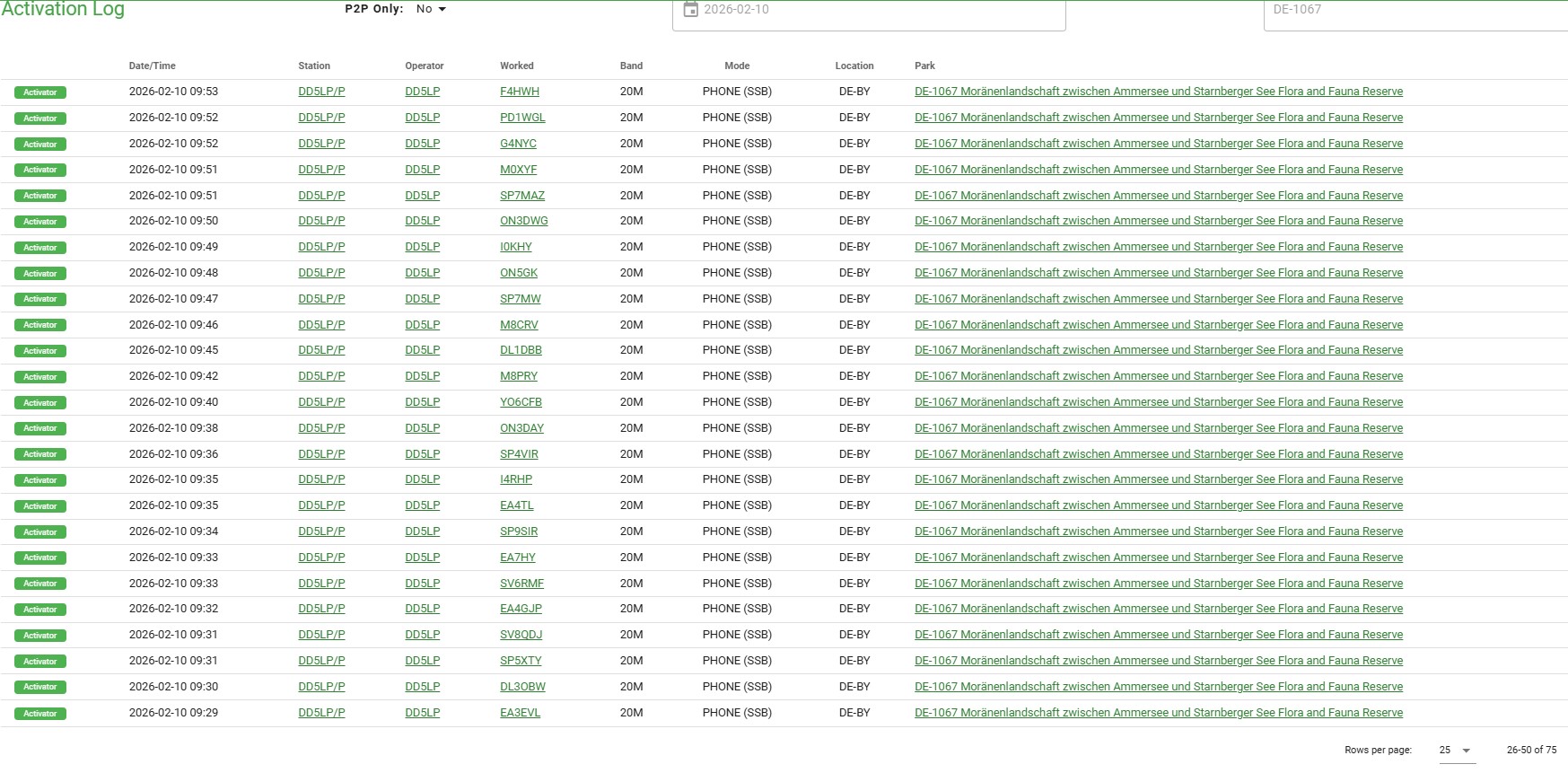
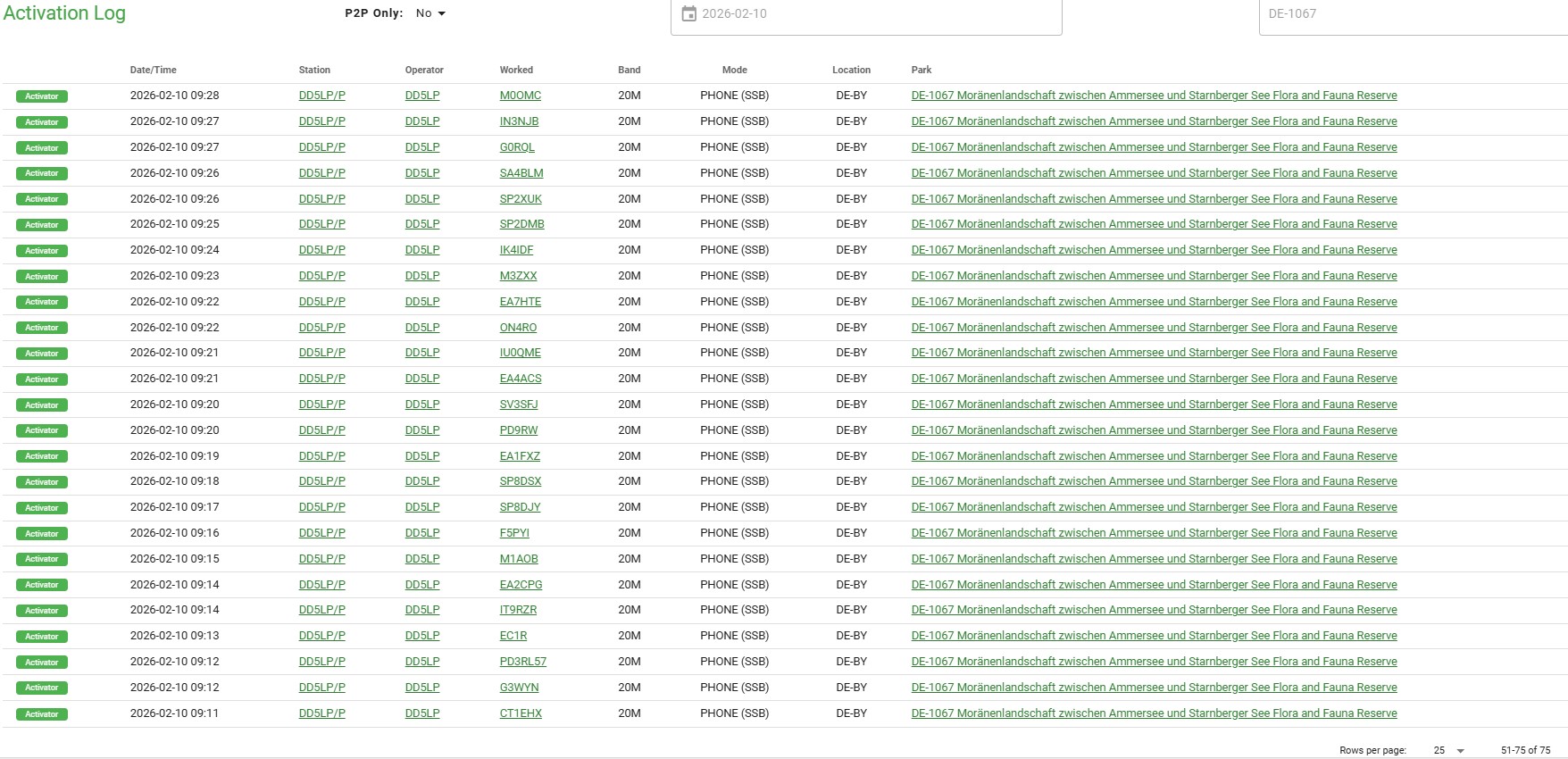
After spotting myself on POTA (BOTA spotting did not work from my phone for some reason), I had 75 contacts in almost exactly an hour, and all on one frequency on 20m. The radio and antenna worked perfectly, and the level of QRM was nowhere near as high as it had been in previous activations – perhaps the fact that the “WWA” award scheme month-on-air has finished was a big help. The high number of contacts did not include any DX contacts but lots of contacts from locations closer to me than I normally would get, so it seems that after recent heavy solar activity, the skip distance was short. As you will see from the contacts map, coverage was 360 degrees over all of Europe.

I had to end the activation as I had run out of time, but hopefully I will have given some Bunker operators this ATNO location (this was its first activation in the scheme).

Photos:

DE-1067 / B/DL-0327

Equipment taken:

  • Xiegu G-90 radio.
  • Xiegu X6200 radio (not used)
  • Komunica Power HF-PRO2-PLUS-T loaded vertical antenna.
  • Linked dipole antenna (not used).
  • 6 metre fibreglass pole (not used).
  • 3-magnet car roof mount
  • Single magnet mount (not used).
  • 8 Ah LifePO4 battery.
  • 2 x 4Ah Eremit LifePO4 batteries (not used).
  • Lightweight headphones.
  • Smartphone for spotting.

Logs:

Contacts Map

POTA DE-1067

DL-BOTA B/DL-0327

Conclusions:

I was surprised at getting so many contacts in just an hour, but happy that the “standard” setup is now working reliably again. Hopefully, the weather conditions will improve soon, so that I can get out and operate “real” portable, away from the car, again.

73 ’til the next activation!
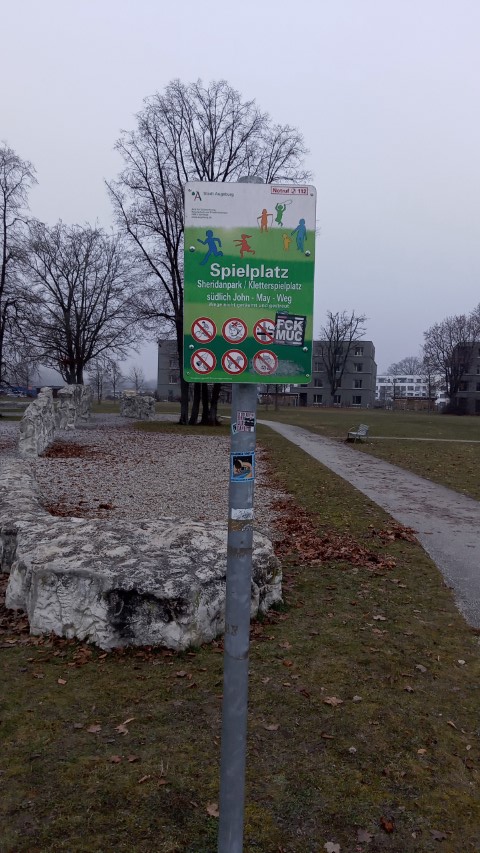
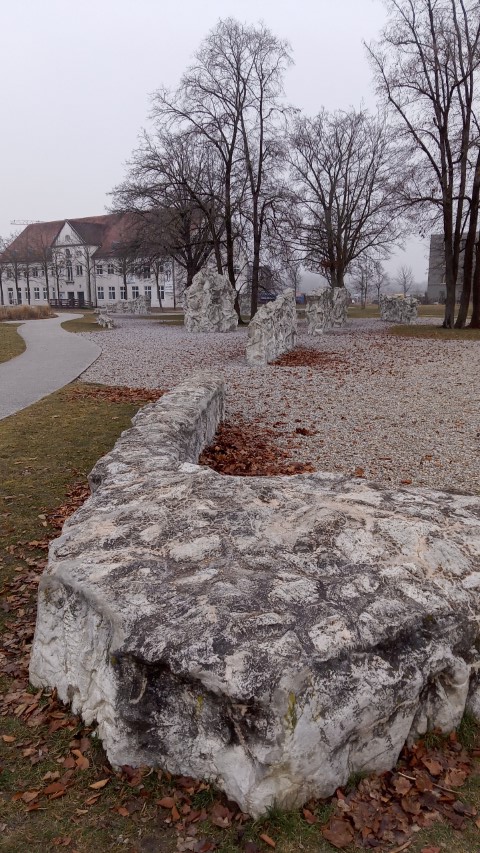
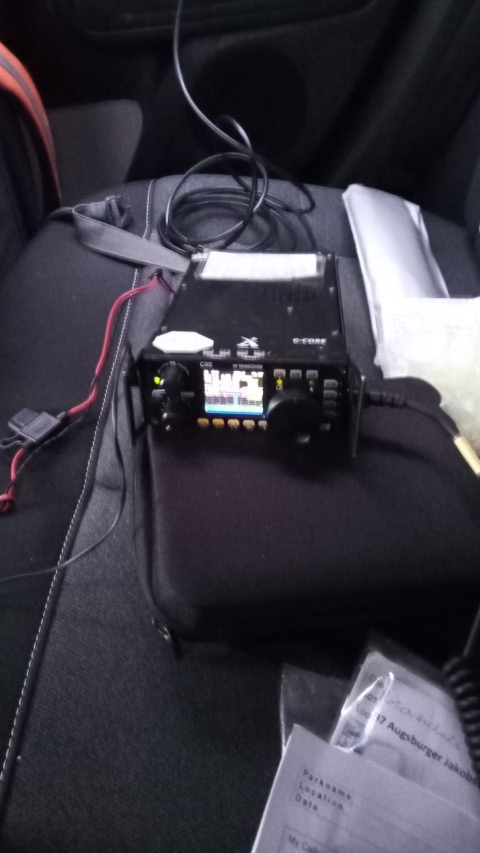
DD5LP/P – January 19th 2026 – Activation of DE-0375 Sheridan Park and 2-fer POTA DE-0374 Wittelsbacher Park (With DL-BOTA B/DL-1191 Rosenauberg Bunker) & DE-0597 Augsburger Jakobsweg

Preparation:

Yet another “fill-in” activation after dropping my wife off at her Physio rehab centre. Since the last activation, I have found that the HF-PRO2 antenna on the smaller (1-magnet) roof mount on 40m works better (SWR 1.4:1) than on my normal larger (3-magnet feet) roof mount (SWR 2:1). SWR values on 20 metres is similar on both mounts – I presume the available ground plane of the car roof is just sufficient on 40m when using the smaller mount. So, in these activations, I planned to use the single magnet base (but took the larger one “just in case”). Apart from that, the radio was the G90 as usual, but again I took the X6200 as backup.

As usual, all radio gear was loaded and ready for operation in the car the day before, for these two PLOTA activations.

The Activations

POTA DE-0375 Sheridan Park

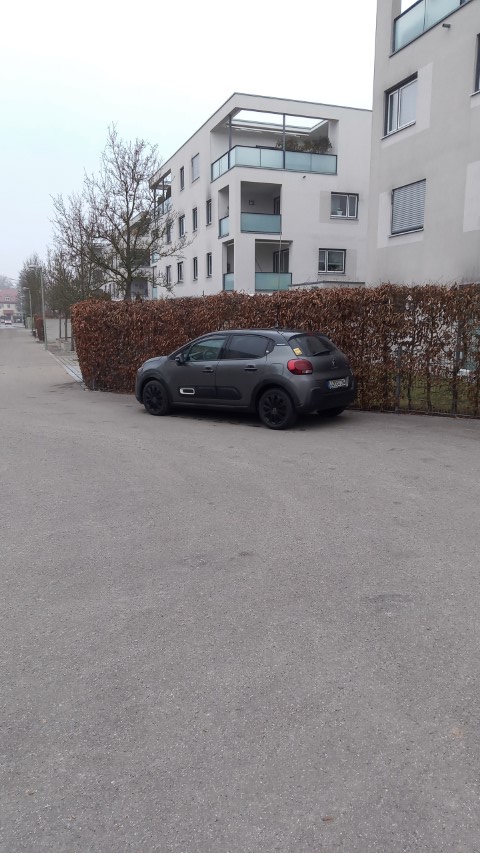
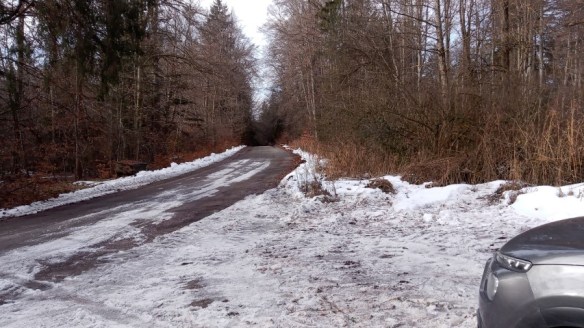
After dropping my wife off, the run up into the city of Augsburg was uneventful and took less than 30 minutes. The exact location that I had scouted out online (a parking spot for sharing cars) was in the middle of being re-built so I found an alternative location to park, in the turnaround at the end of Otto-Shalk-Strasse.

After setting up the antenna on the car roof, I messaged Ernie VK3DET in Australia, who had kindly agreed to take a listen for me, and, as it was 30 minutes earlier than I had expected, there was a good chance that I could make a long path 20m contact with my 20 watts of sideband and loaded whip configuration. It wasn’t to be …

When I turned the radio on, I could hear nothing – not even static noise. At first, I thought that I was in an RF blackout (actually, that came some 18 hours later along with a G4 major solar storm). When I texted Ernie, he said he was hearing some of the well-known Spanish stations, so not only was the band not closed and it appeared the long path was still open.

I changed radios from the G90 to the X6200 – same situation – I was hearing exactly nothing on 20m and 40m. I had tested the antenna mount after repairing it a few days earlier, but despite that, I decided to change back to the three-magnet abse, and as soon as I attached the coax feeder from that, I started hearing a band full of stations. The obvious conclusion was that the coax cable had broken again, perhaps this time the braid rather than the centre core. However, later, when I tested at home, there was DC connectivity along the core and braid between the plug and the socket and no short between the two. So why this suddenly stopped working remains a mystery at the moment.

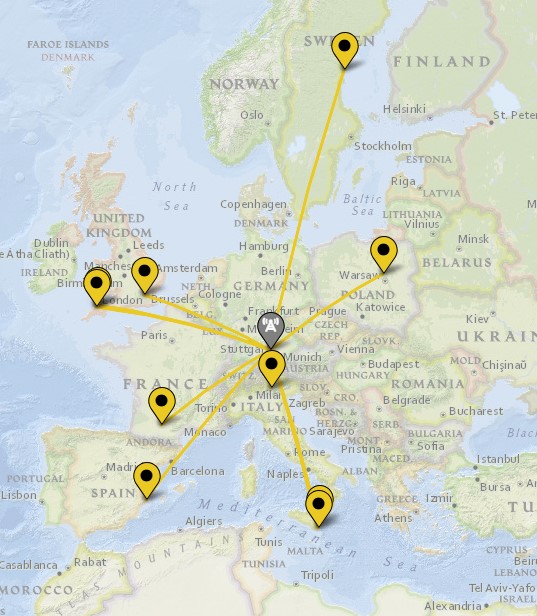
For this activation, I was happy to work with the base that was working and stuck to 20 metres rather than going to 40 metres. Contacts were made all around Europe, but no further afield; the nearness of houses at the side of the park may have been part of the reason for this. In summer, I could have set up in the park, but with temps down around -5°C, this activation stayed located in the car.

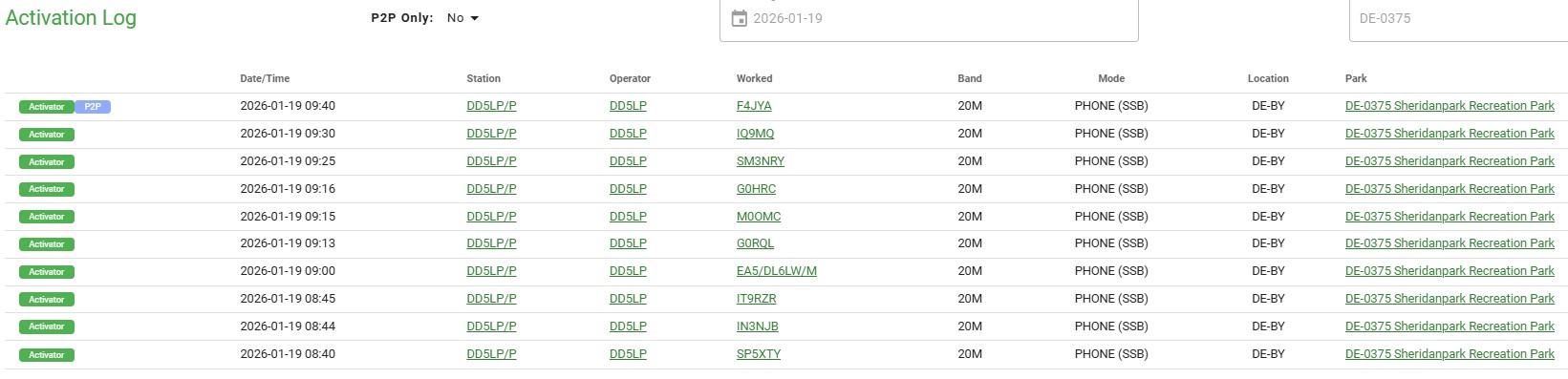
Contacts were hard to get, not only because of the location but also because of the high-powered stations on the band taking part in the “World-Wide-Award”. Calling this activity an “Award” rather than a contest (which it obviously is) allows it to take place every day, not just on the weekends, and to take place on the WARC bands where contests are not permitted. After all of the problems, I eventually got my needed 10 contacts in just over an hour, helped greatly by Don (G0RQL) calling three times under different call signs.

POTA DE-0374 Wittelsbacher Park & DE-0597 Augsburger Jakobsweg

After lunch at a German restaurant at the main (Riegle) Brewery (to be recommended as a friendly, well-run restaurant), I headed out to the next POTA location. Or at least I would have, had Google Maps not decided to play up in the car. I set off anyway in the direction I thought I should be going (wrong! Once the navigation program started working, I had to double back on my route, and it turned out the next POTA location was only a few minutes’ drive from the restaurant and railway station).

This location was as I had expected, although distances between the recycling “igloos” and the entry to the famous Rosenauberg bunker which, I added as a missing BOTA-DL Bunker later, so far very few bunkers in Bavaria have been included on Bunkers on the Air.

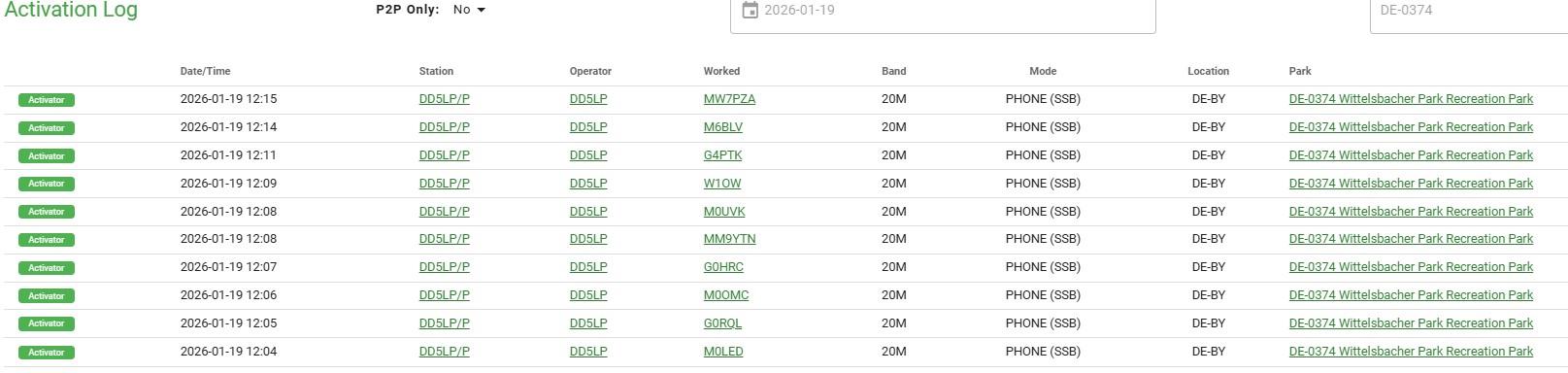
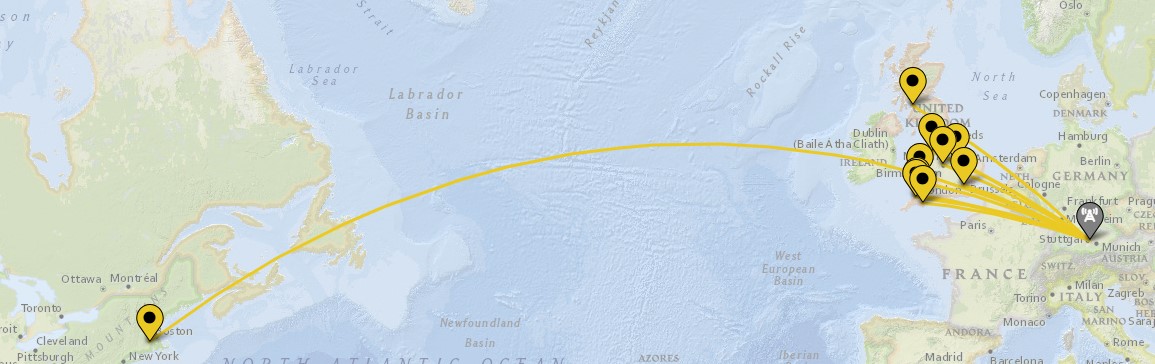
I still had the three-magnet base on the roof from the last activation, so the setup was very quick, which was good as I had limited time to gather the needed 10 contacts before having to head off to collect my wife from the outpatients physio centre. Don helped once again with THREE calls under different call signs. I put out several CQs but had to keep moving because of QRM from those taking part in this WWA contest month. The best contact from this 2-fer was with W1OW in MA, USA. In fact, he was also the only non-UK caller to this activation!
Photos:

DE-0375

DE-0374 & DE-0597 & B/DL-1191

Equipment taken:

  • Xiegu G-90 radio.
  • Xiegu X6200 radio
  • Komunica Power HF-PRO2-PLUS-T loaded vertical antenna.
  • 3-magnet car roof mount and single magnet mount.
  • 8 Ah LifePO4 battery.
  • 2 x 4Ah Eremit LifePO4 batteries (not used).
  • Lightweight headphones.
  • Smartphone for spotting.

Log:

POTA DE-0375

POTA DE-0374/DE-0597

Conclusions:

It’s good to get these two semi-local parks off my to-do list, but the problem with the single magnet base mount needs to be investigated further. Of course, an intermittent fault is hard to find and given that I have an absolutely new single-magnet antenna mount, perhaps I should not waste my time and simply throw the faulty one away?

73 ’til the next activation!