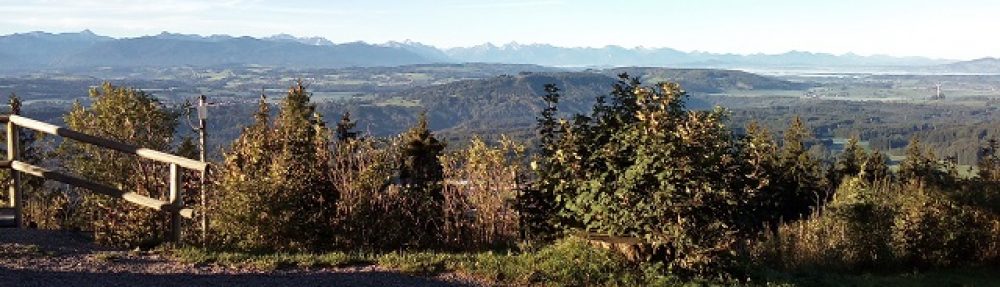
Preparation:
As a time fill-in while my car was at its annual service, I planned an activation. This time, it was not going to be an activation from the car/loan car, rather a “real” portable activation, involving a walk of some distance with all required radio equipment on my back.
It’s a while since I have done a HEMA activation, and also some time since I have climbed Sattlersbuckl and since two POTA trails go over the summit, this seemed like a good choice.
It used to be that if I activated a SOTA summit, I would often have over 25 contacts in an hour; the SOTA scheme was that well supported. HEMA has never been well supported by chasers outside of the UK, and in Germany, I believe I may be the ONLY activator. So to have the advantage of posting to the POTA site meant (I hoped) that I should have more than enough callers for this location.
I have activated all three entities here before, in the case of the POTA trails from more than one other location.
Given the planning between dropping off the car for its service, and also bringing my wife to a thermal spa, my radio gear and food, etc., all needed to be packed into, or onto my 40-litre backpack. This was to be transferred from my car to the loan/rental car at the dealer’s. As the weather was not certain to be sunny or dry, as a fallback, I had also scouted out a location where I could do a “PLOTA” activation, at least on the two POTA trails.
The Activation
HEMA DL/HBY-018, POTA DE-0858 & 0953
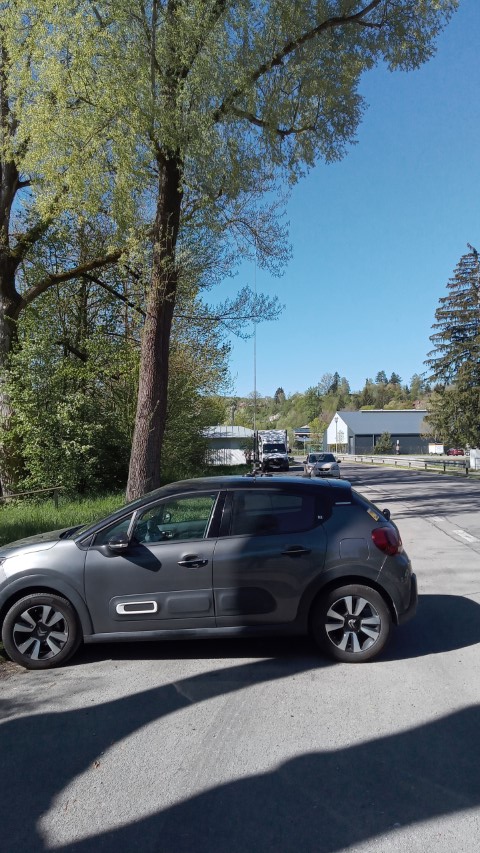
After dropping my car off at the dealers followed by my wife at the spa, I drove south in the loaner Ford Puma Electric Car (I am not a fan of E-autos after this experience – not that anything “bad” happened but these cars have no “soul” but so many things controlling what you can do, that it almost feels like you are not driving the car!). In any case, the weather was “mixed”, but I decided to stick to the original plan, and after getting to my usual parking spot, just outside of Apfeltrang, I started the steep walk up to Sattlersbuckl.
This track up often holds surprises, and today, I saw a young deer come out onto the track in front of me, but as soon as it saw me, it shot off back into the bushes. It all happened to quickly for me to grab any photos, unfortunately.
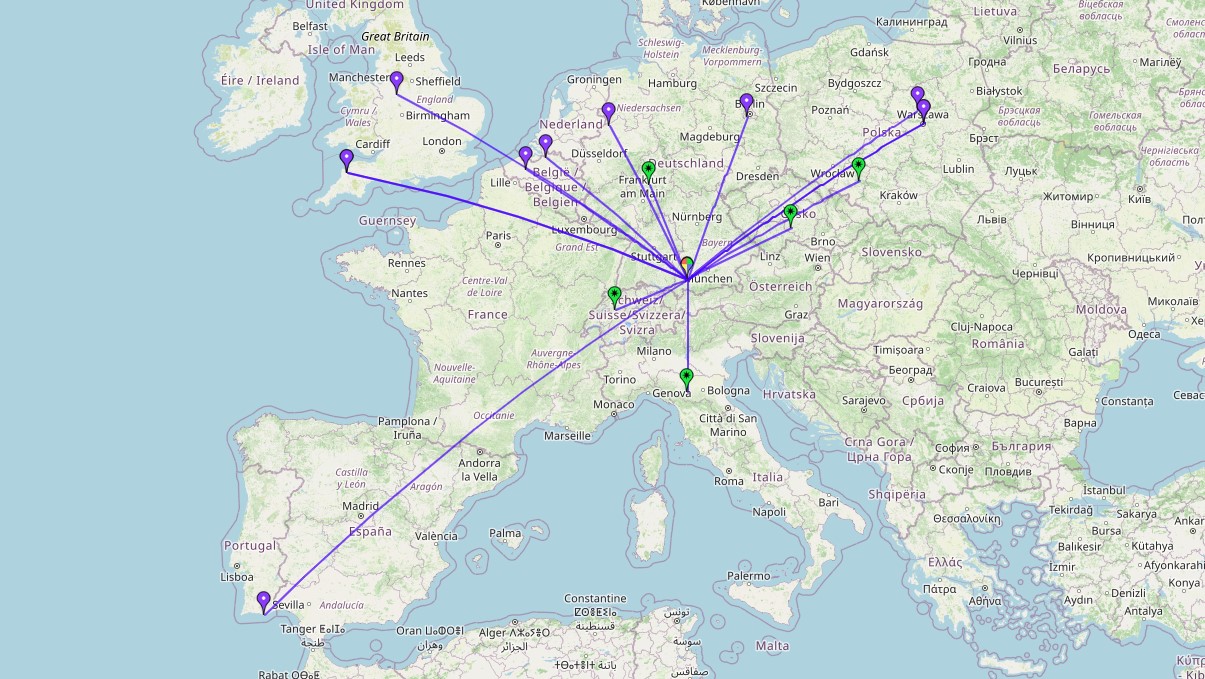
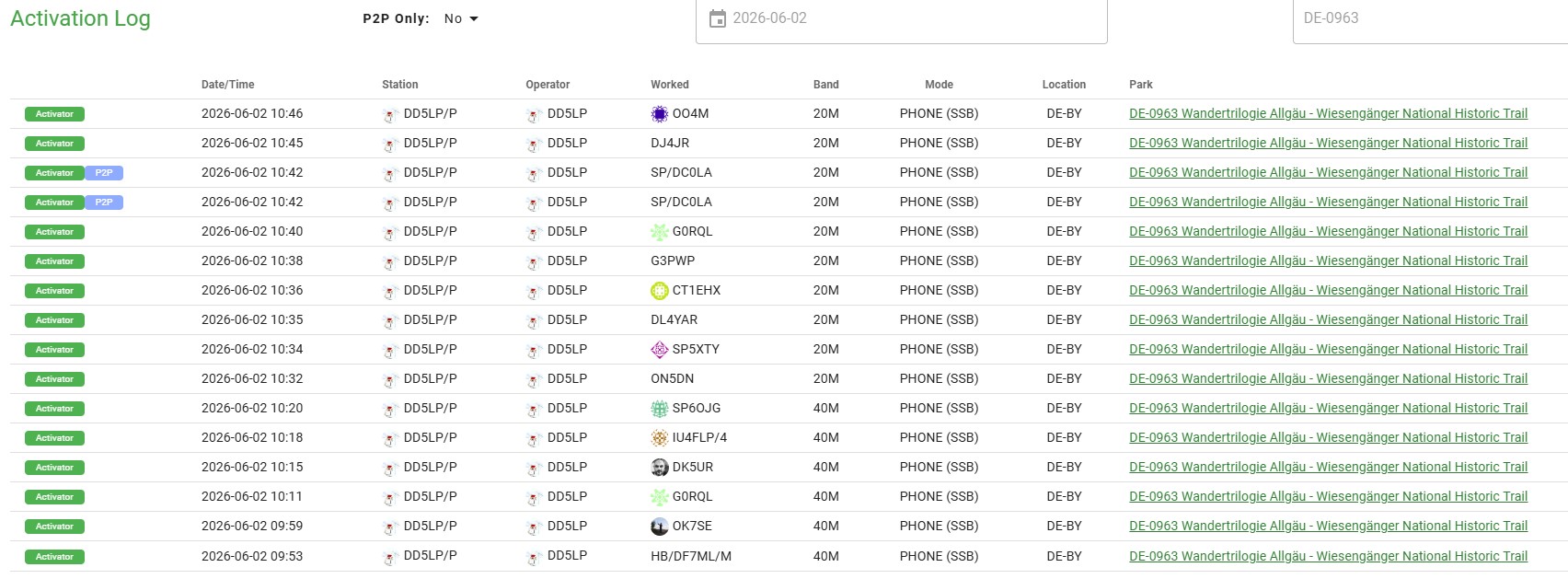
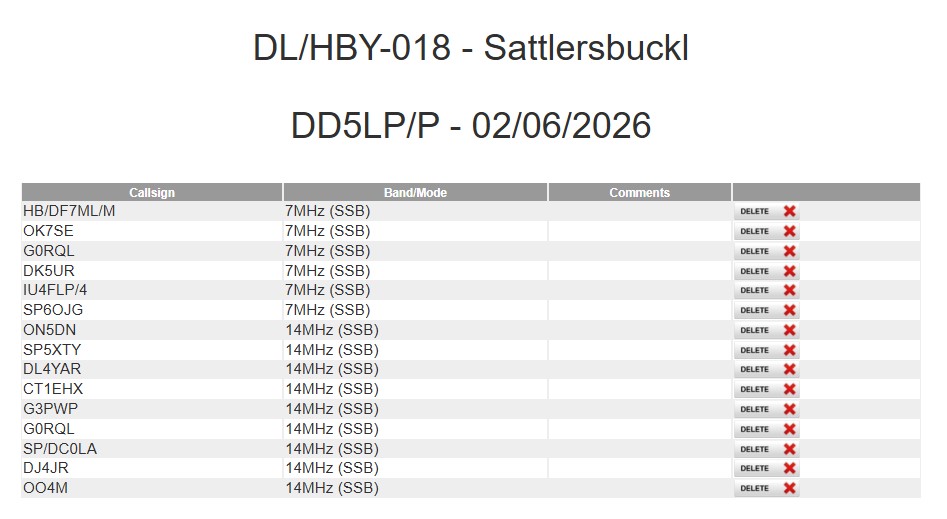
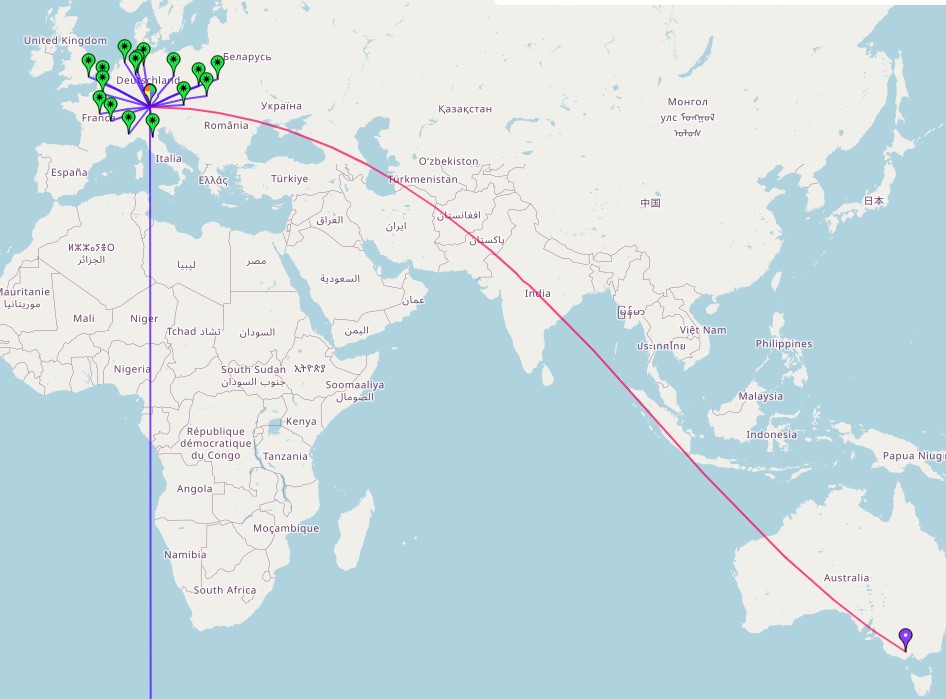
On arriving at my operating spot, I put up the mast and linked dipole, set to 40 metres, spotted myself and tried calling CQ. Not only were the radio conditions disappointing, but there was also lots of QRM, causing me to change frequency twice. I had got a couple of contacts on 40 metres but only semi-local in continental Europe. This being lunchtime, I had not even considered 20 metres, but given the problems on 40 metres, I decided to give 20 metres a try and managed then to get a couple of good contacts into the UK. By my timing, I could have stayed another 30 minutes or so; however, as I then felt a few drops of rain, I decided the best decision would be to pack everything up again (which takes about 20 minutes in any case), and start off back down the hill to the car. The end result from some very disappointing radio conditions was 15 contacts ( one a duplicate on 40 & 20m and one P2P – I tried for a second P2P, but the conditions were simply not good enough.
Arriving at the car, I was 30 minutes ahead of my planned schedule; the rain clouds had disappeared, and the sun was out again.
The one technical issue I had this time was an old one – with the sunshine, I was unable to see the screen of my Smartphone, so I will need to look at some kind of screen for it. It did, at one point, pop up a message about high temperature, so I was probably close to it shutting itself down.
Photos:
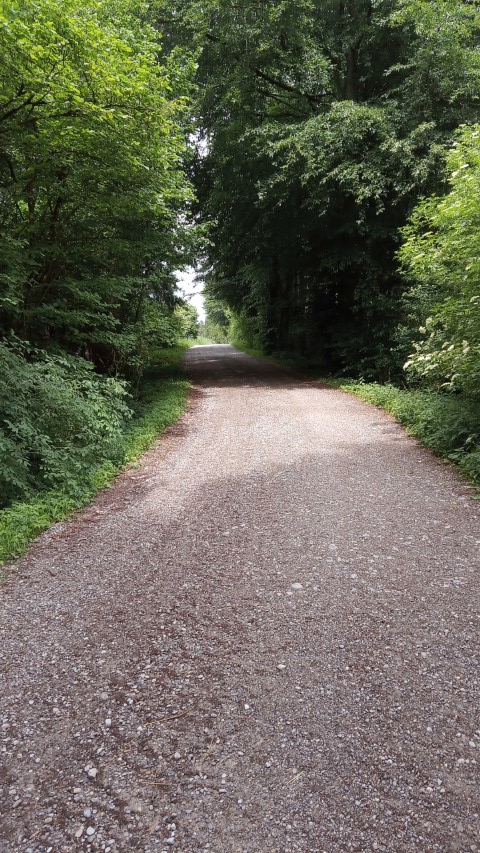
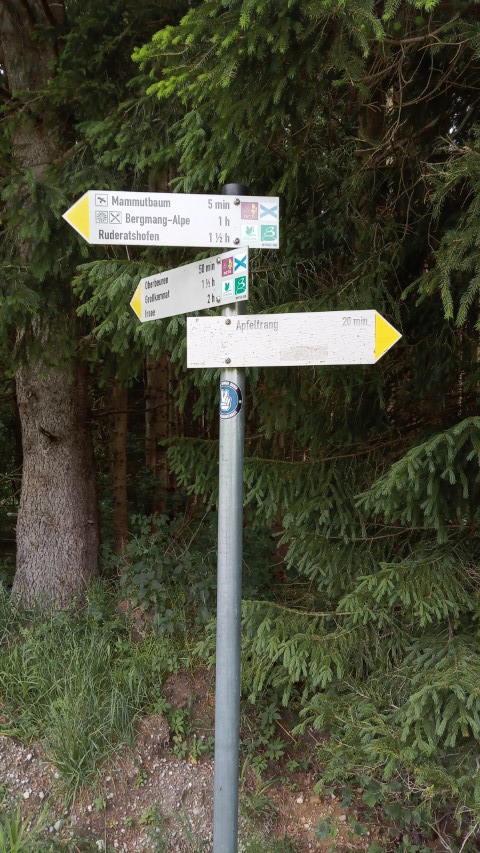
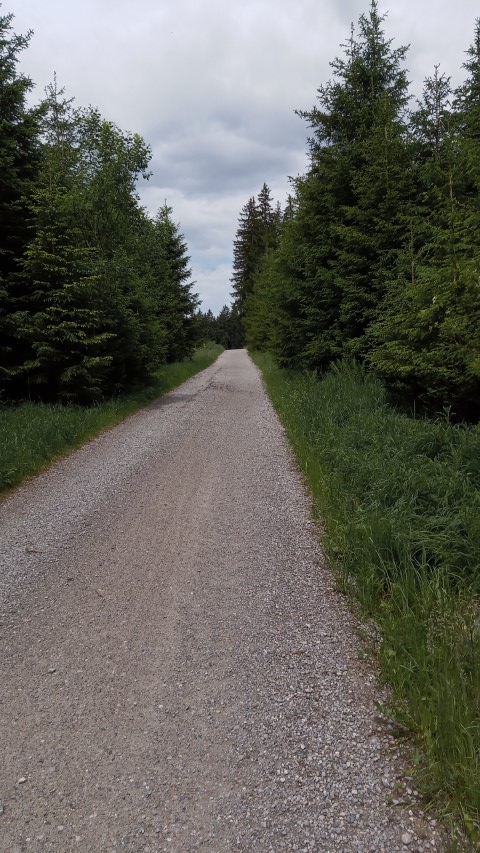
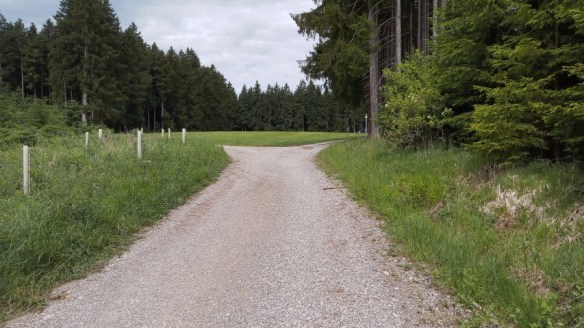
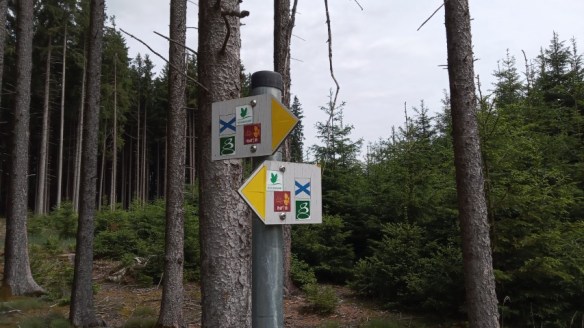
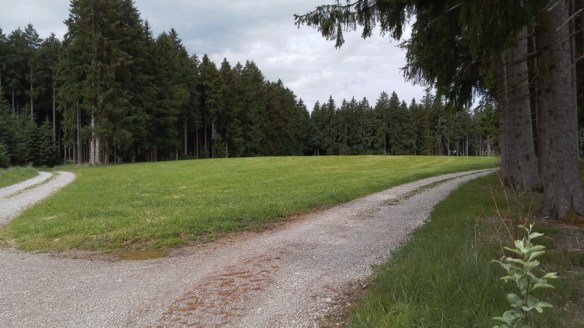
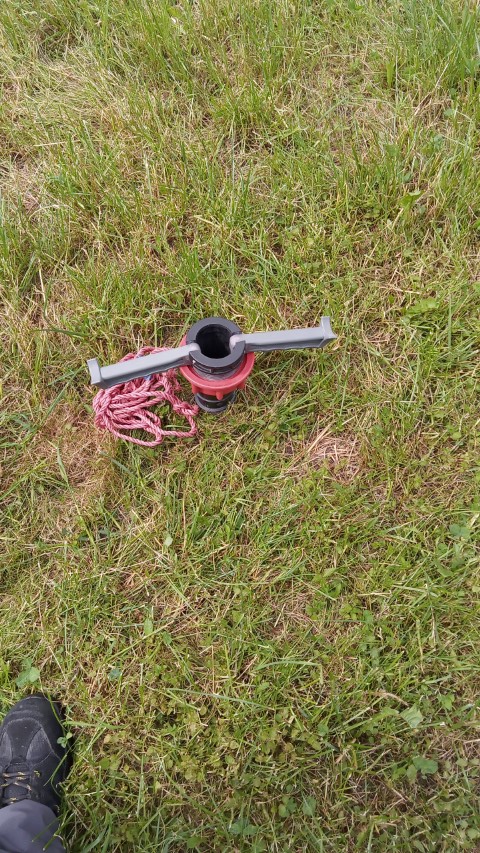
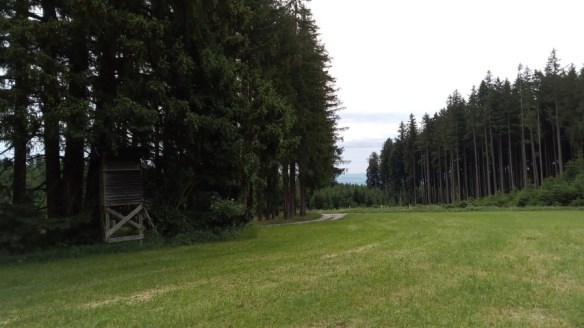
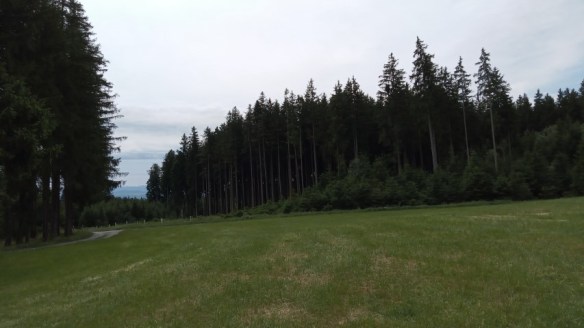
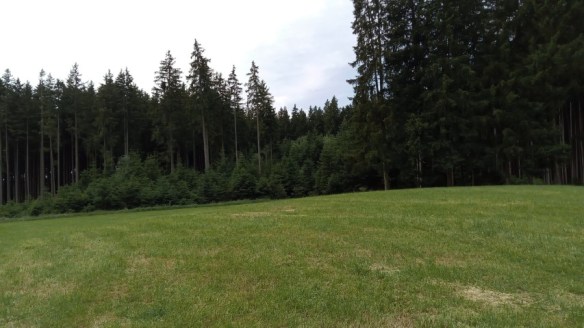
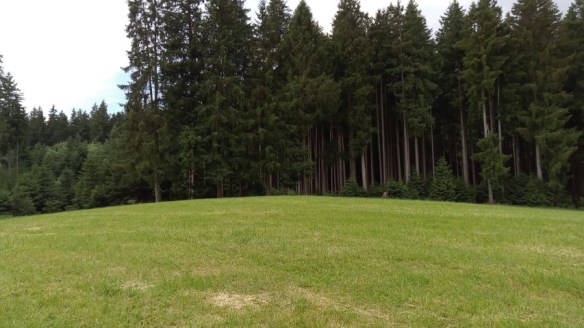
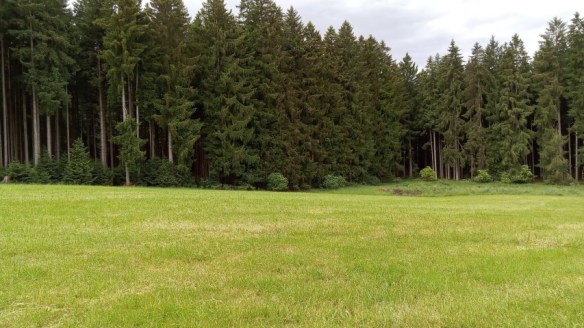
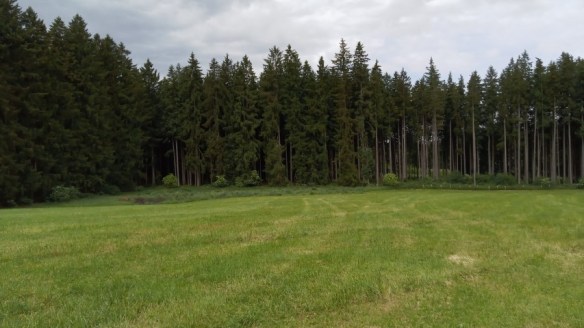
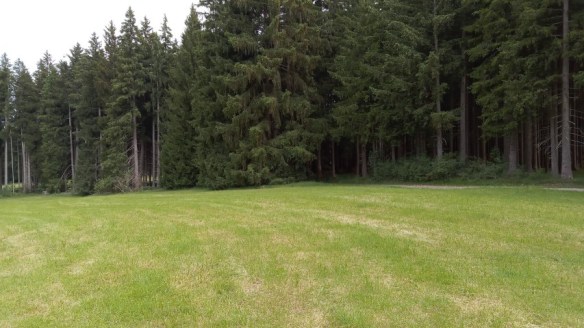
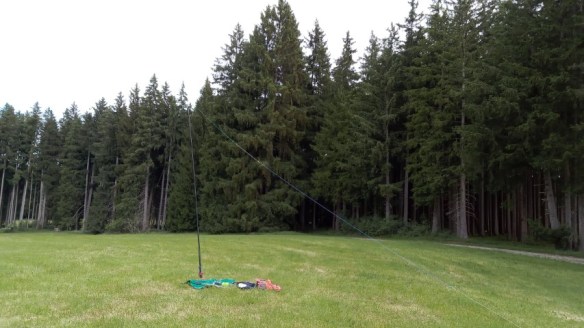
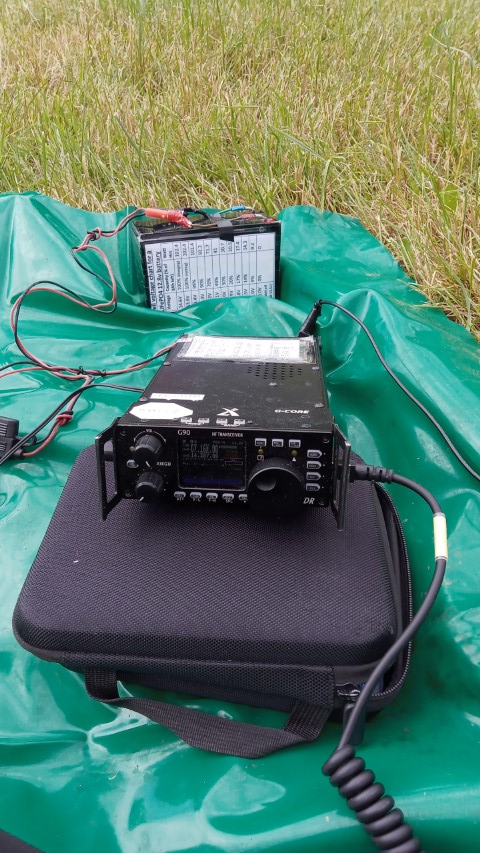
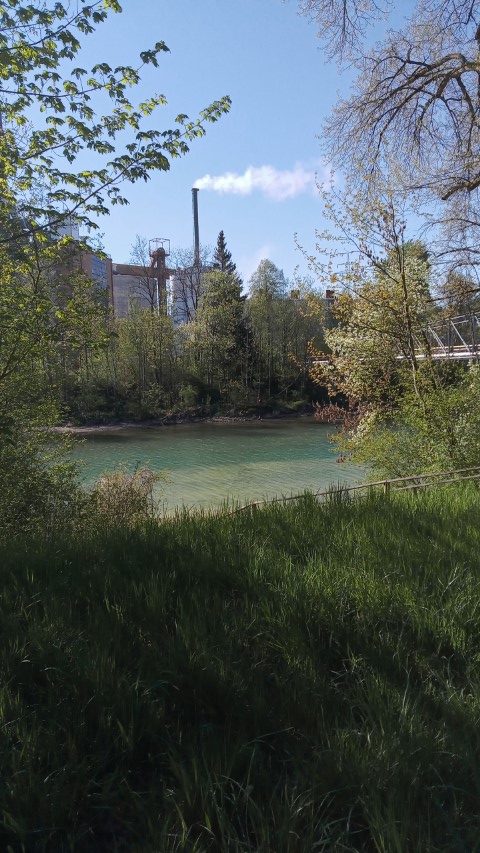
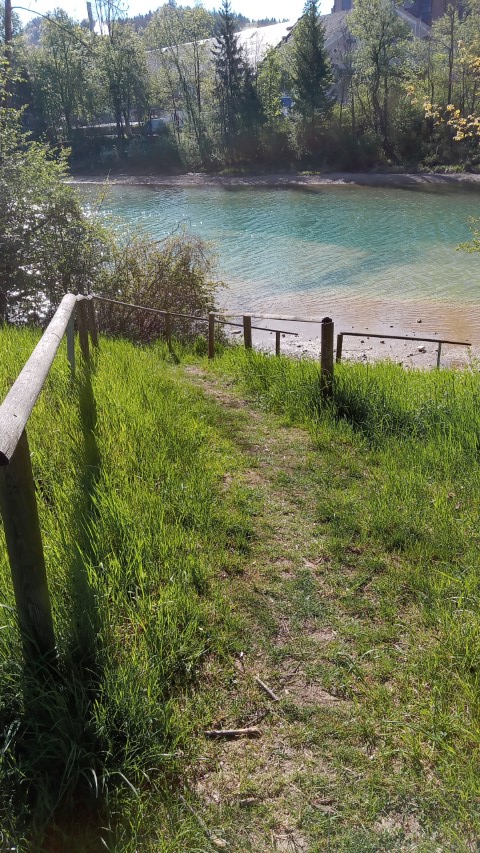
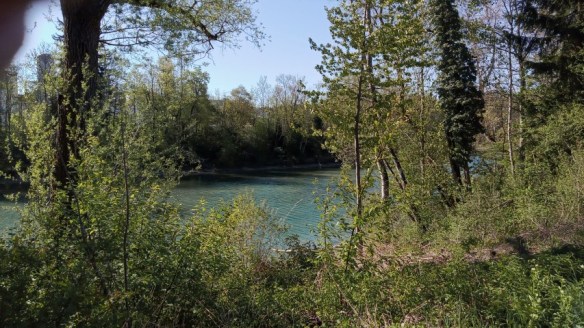
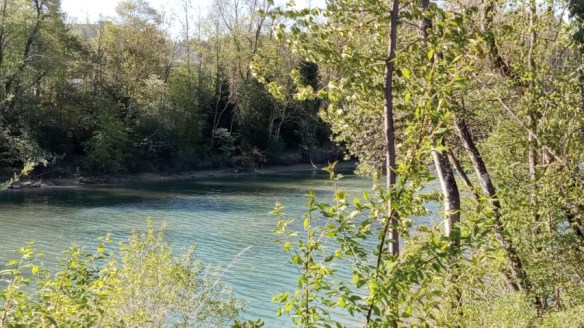
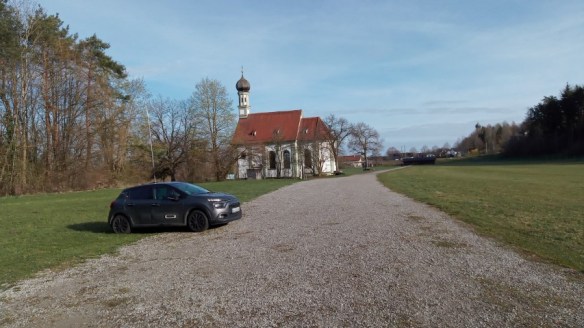
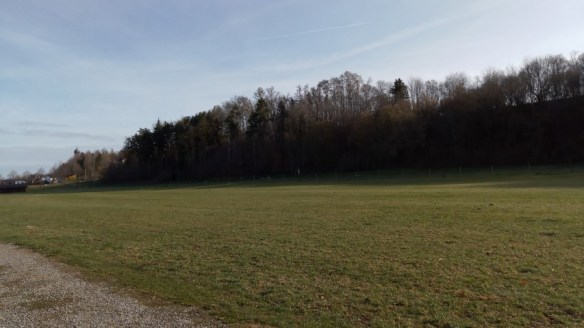
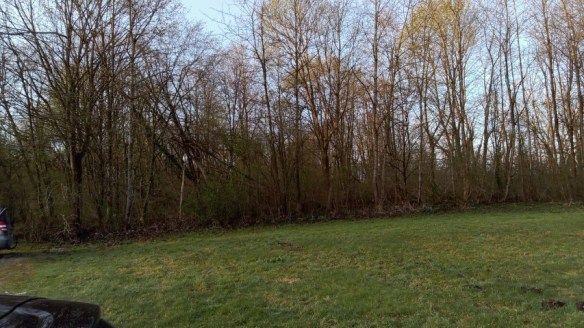
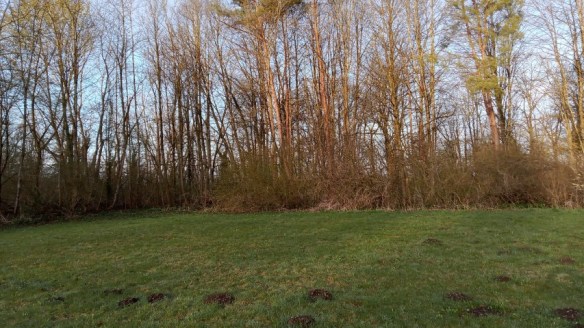
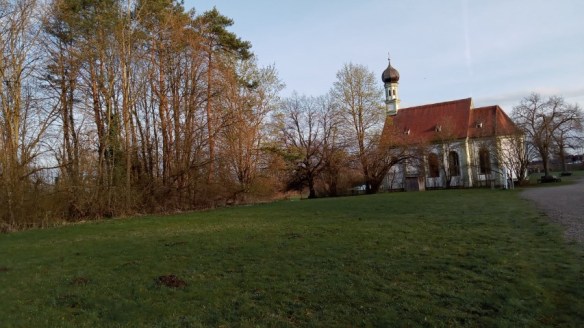
DL/HBY-018 / DE-0858 / DE-0963
Equipment taken:
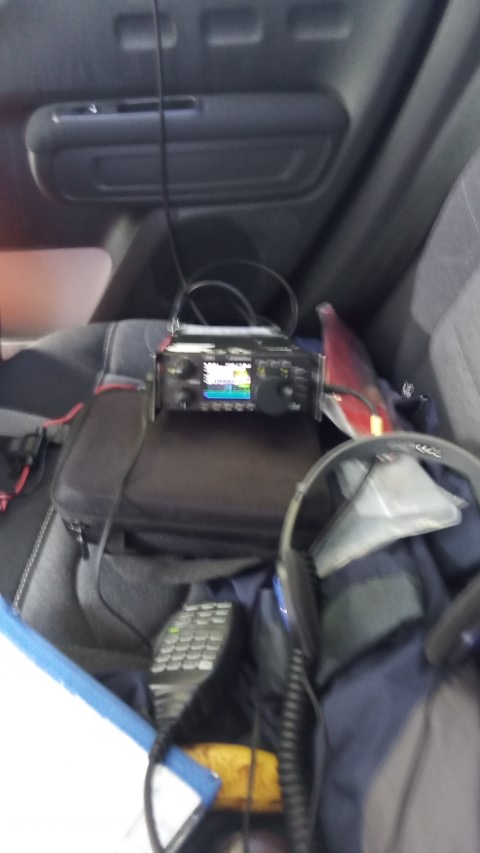
- Xiegu G-90 radio.
- Komunica Power HF-PRO2-PLUS-T loaded vertical antenna, tripod and radial wires (not used).
- Linked dipole antenna.
- 6 metre fibreglass pole.
- Screw-in Sun Umbrella base
- Single magnet mount (not used).
- 8 Ah LifePO4 battery.
- 2 x 4Ah Eremit LifePO4 batteries (not used).
- Lightweight headphones.
- Smartphone for spotting.
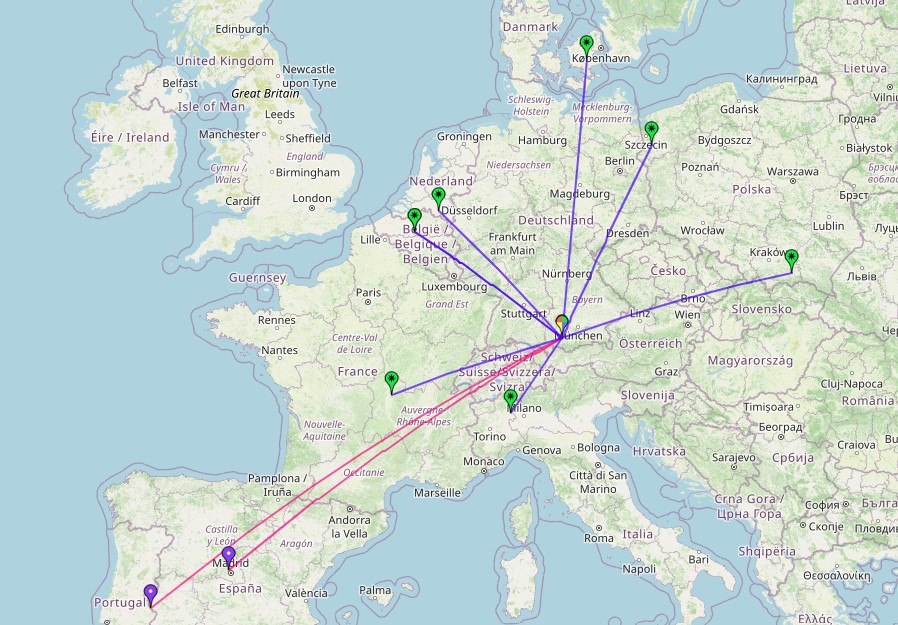
Contacts Map
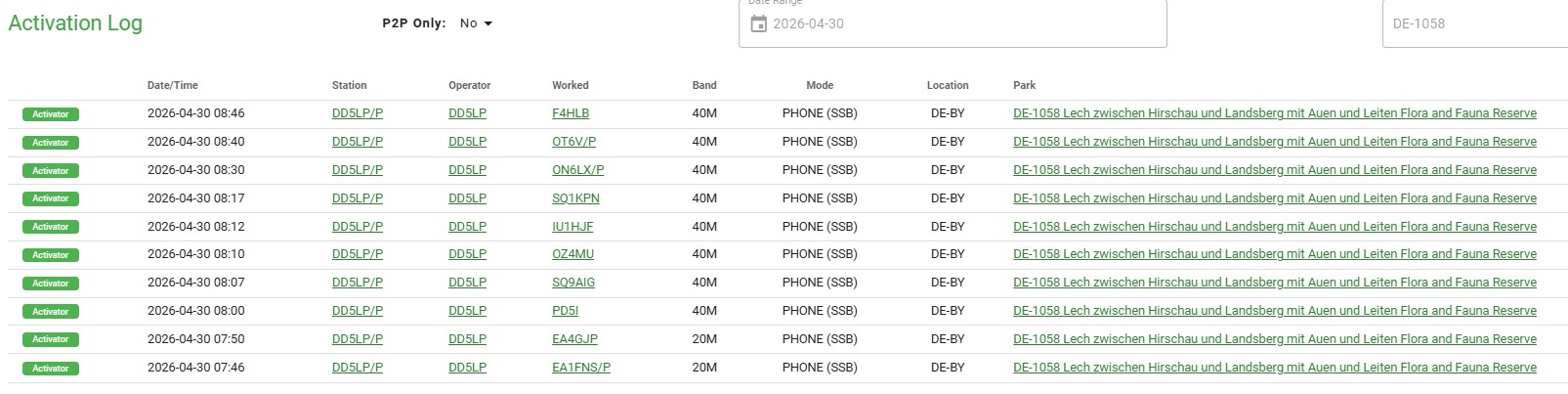
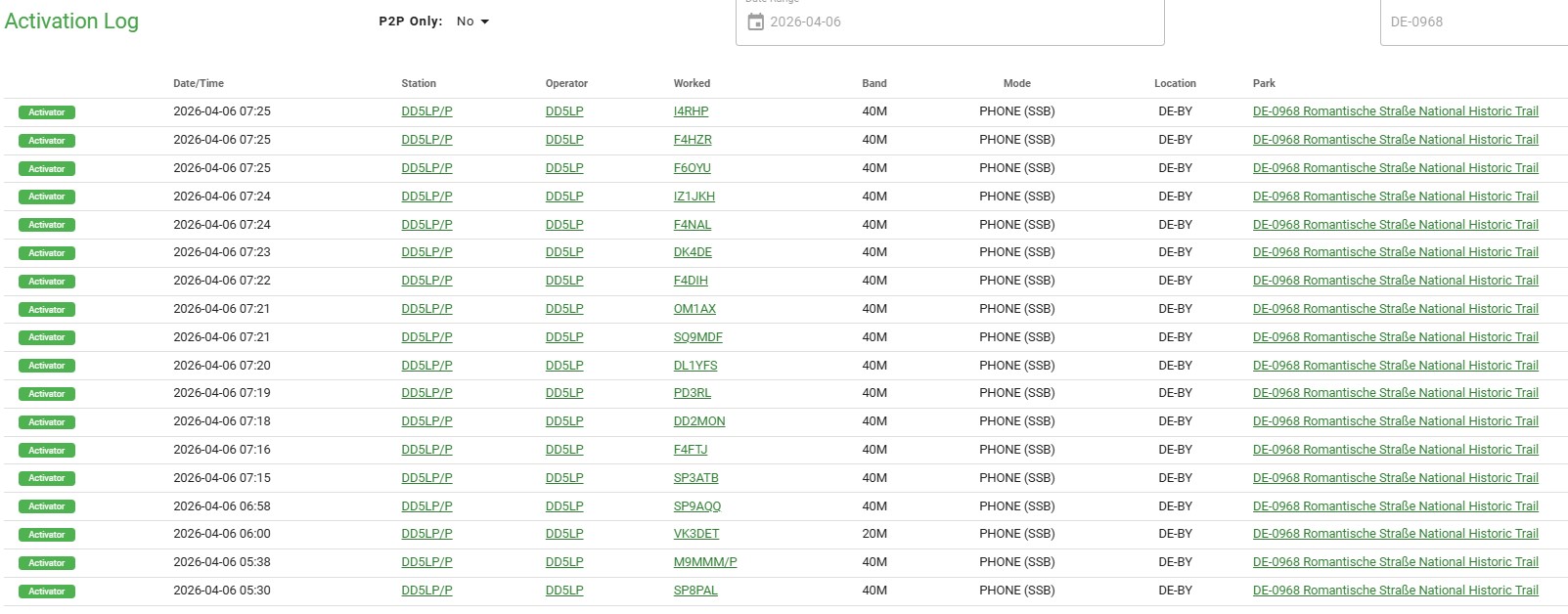
LOGS:
POTA DE-0858 / DE-0963
HEMA DL/HBY-018
Conclusions:
I was surprised that conditions were so bad after a period of good propagation – the bands seemed to be “diluted”, and contacts that were achieved were at a lower signal strength and with heavy QSB. I had wondered if this was an issue with my equipment, but others were making the same comments so this was just a “bad radio day”. I did achieve the needed number of contacts, got some good exercise, and we got home just as the heavy rain started. So all in all, this was a good day.
73 ’til the next activation!


You must be logged in to post a comment.