Preparation:
I came across the trail when looking for somewhere to activate that I haven’t yet activated using the fantastic POTA / SOTA map for Germany at pota-map.info The trail runs from the Bavarian/Austrian border at Salzburg and goes south of Munich, then cross-country and through Augsburg before finishing at Günzberg about 20 km west of Augsburg. On its route from Munich to Augsburg it passes through several small villages, including one called Dünzelbach and that is where I decided to head to, to activate what was at the time, a never-activated POTA trail.
The activation had been planned for Sunday 16th of February 2025 but a sudden, unexpected snowfall, meant the roads were snow covered and especially the small roads to my chosen destination could be completely blocked, so I put off the activation until the following day, by which time, the roads “should” be cleared.
Given the -6°C temperature, this would be car-based “PLOTA” activation and I found a small track/road junction, near Zell just outside of Dünzelbach where I expected to be able to park without blocking access for the farmers.
So, to ensure an early start with the possibility of a DX contact to Ernie VK3DET in Victoria, Australia, all radio equipment was loaded into the car and the magnetic base for the HF-PRO2 antenna was put on the car roof (I wanted to be outside of the car for the minimum time with temperatures so low).
The Activation
POTA DE-0942
Thankfully, although there had been more snow overnight, it had stopped and by 8:05 am (local time – 07:05 UTC), I was on the road following the route given by my GPS system in the car. Most of the route I knew however the last few small roads – which, while cleared through once by a snow plough were still snow-covered in many places.
I arrived at my spot by 07:30 UTC and was set up and on the air by 07:40. These car-based activations are so much easier than the normal SOTA/HEMA activations but I doubt I would be climbing any summits in these temperatures, so at least I was out portable.
I sent Ernie VK3DET a message and he said he’d head to his shack and be listening for me in 10-15 minutes. I had checked, called and found 14.290 MHz free on 20 metres and that is where I was to make the majority of my contacts, despite some eastern European station starting up a net on the same frequency without checking the frequency was free! The location also had another type of QRM, the farmer had a high-powered electric fence around his horse paddock and the spikes from that were a constant annoyance during the whole activation.
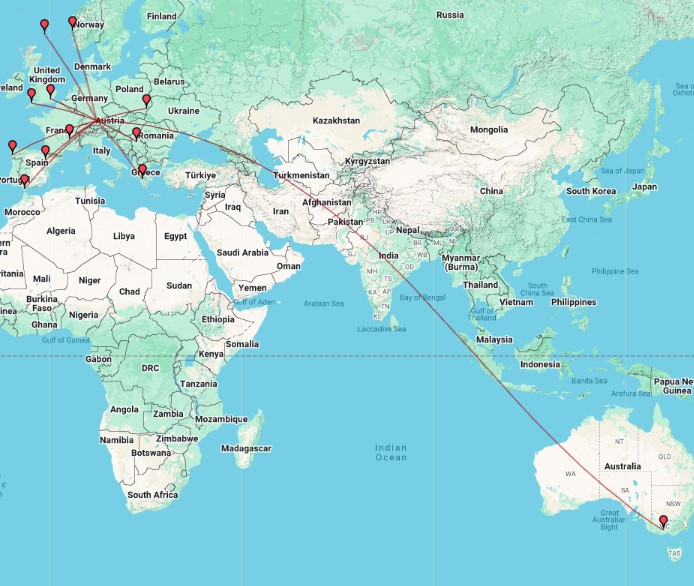
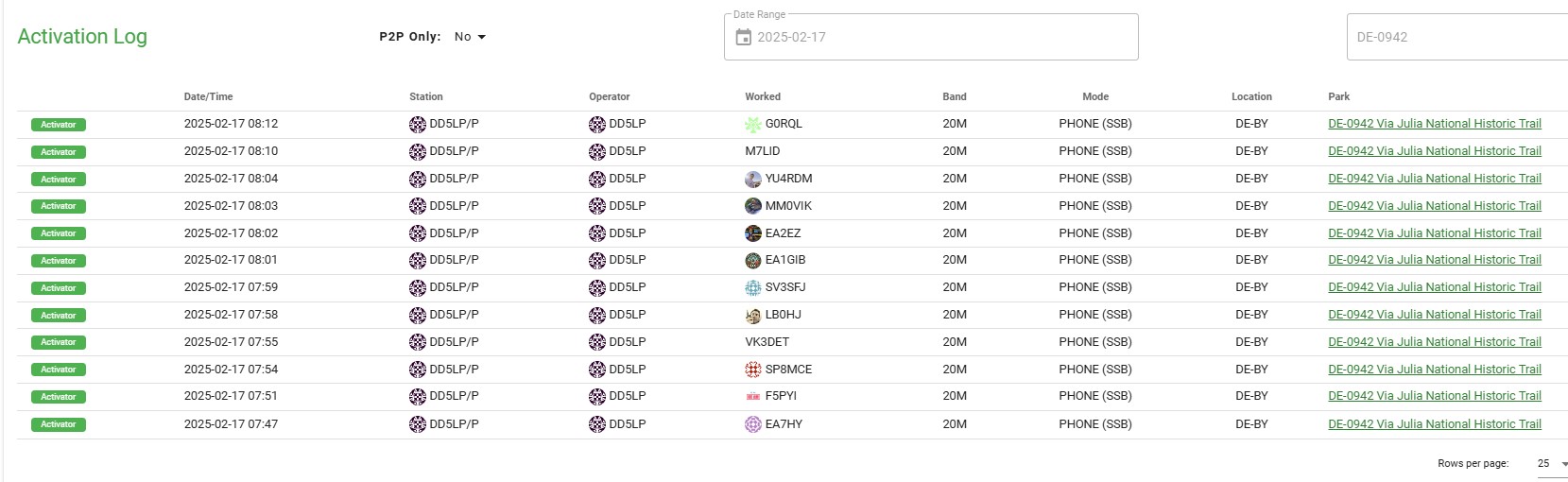
To start with it was hard work to get any callers despite spotting myself in the POTA system but eventually, they started coming in, with Ernie from VK3 popping up as number 4 right in the middle of the European caller with a true 5-8 signal. He later told me he was running 400w and his 3-element mono-band beam – so that was certainly doing the heavy lifting. My report was 3-3 but we got the reports across after a couple of tries.
Signal reports around Europe were generally good to very good with my little 20-watt radio and loaded HF-PRO2 getting 5-9+ reports on several occasions.
With 12 in the log and no more callers, I decided to call it a day, pack up and head home. Unfortunately while pushing the telescopic sections of the HF-PRO2-PLUS-T in, I bent the top section, which then “knicked” and later broke. This has become my “go-to” antenna, so I will see if I can repair or get a replacement part. Luckily it was the very top section which broke, so I can operate without it, by simply adjusting the base to include some more coil in the configuration. it is annoying, however, having used this antenna for almost 10 years now. It has proved to be ever reliable. I guess the cold weather froze the top two sections together and I didn’t realise.
On the drive home, the sun was already melting the snow and the roads had improved a lot.
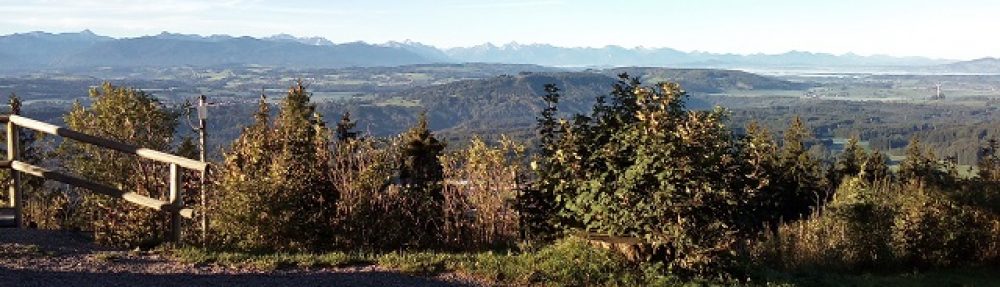
Photos:
Equipment taken:
- Xiegu G-90 radio.
- 6-metre mast and linked dipole (not used).
- Komunica Power HF-PRO2-PLUS-T loaded vertical antenna.
- Three-magnet car roof antenna mount.
- 8 Ah LifePO4 battery.
- 2Ah Eremit LifePO4 battery (not used).
- Plastic painter’s sheet (not used) and seat pad (not used).
- Lightweight headphones.
- Smartphone for spotting.
Log:
DE-0858 Via Julia National Trail
Conclusions:
- The activation went well. It appears that I will be listed as the first activator of this new trail. I think that’s number 4 of the parks and trails of which I have been the first activator. I wish I hadn’t broken the antenna section but I can’t complain that it hasn’t given me long-time service (and it will most likely still work without the top section)!
73 ’til the next activation!
 DD5LP / G8GLM / VK2JI blog
You must be logged in to post a comment.