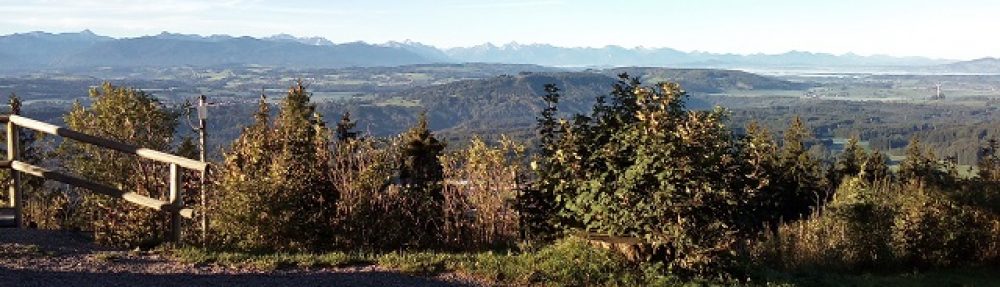
Preparation:
This activation was to be a POTA activation using the special event callsign DL0DOG, as this day, Tuesday 26th August, is the actual International Dog Day, although the special event call sign runs all month. I chose my local park for this action as I knew I could set up easily out of sight of most, but 100% within the park boundaries.
To give me a better chance of some DX contacts (hopefully also into the US, so that the IDD award chasers in the US would have a chance of getting a European “Dog station”). I would take my 10 metre mast, rather than the normal 6m one. This also means the need to take my surveyor’s tripod to support it. Luckily, the distance from where I park my car to where I would set up is only about 70 metres. As I also wanted to try 17 & 15m, the recently repaired linked dipole would be the antenna of choice and at 10m above ground, it ought to perform well. I would also take my 20/15/10m wire beam in case the higher bands were open.
Of course, as always, there would need to be backup, and in this case, that was an off-centre fed dipole and my HF-PRO2 loaded vertical, both of which were to stay in the car unless needed.
The day prior, I monitored the bands and was happy to see good conditions up to 15 metres with contacts into the US and Oceania. An early start was needed to be on-air by 0600 UTC, and I also booked slots with the other SES operators to use the DL0DOG call sign.
As usual, all radio gear was packed into the car on the Monday evening for the Tuesday activation, and only my pack-up would need to be added the following morning.
UPDATE: At the start of September 2025 a new park DE-1058 was added to POTA which overlapped where I operated for this activation. Under POTA rules, previous activations may be claimed even when they took place before the park was added.
The Activation
On arrival and after unloading the equipment that I would take to the site, I was surprised by the heavy morning dew on the grass and by the time I got to the site, my shoes, socks, and the bottom of my jeans were all soaking wet. OK, I wasn’t going to stop because of this, and soon the sun would come out and dry me off, right? The sun only came out nearly two hours later.
I set everything up only to find that my 10m mast was bending terribly just with the weight of the thin coax and dipole T-piece, and in trying to straighten it, one of the clips on the Dipole T-piece broke, so I changed to my usual 6m mast.
As usual, I had let my friends in Australia know that I would be out, and the first two contacts in the log were Ernie VK3DET and Jon VK7JON/M, both at a reasonable strength on 20 metres. Ernie and I tried 17 and 15 metres – nothing. I could hear a few VK stations in a net on 17m, but nothing at all apart from FT8 on 15 metres. So all contacts in this activation were made on 20m.
It appears that there is a problem (again) between the various DXCluster sites, where posting to one (in my case, using a smartphone app) DOES NOT propagate the spot to all of the others. As the IDD chasers may be watching their favourite cluster or the one on the hamlog.online landing page, this lack of transfer of spots between the sites meant my spots were not being seen.
The QRM got so bad on 20m that I could not hold a frequency; other stations simply, without even asking, started calling CQ on the frequency I had been on for 15 or 30 minutes. Others just ran carriers on and off for over 30 minutes. That wasn’t just tuning their antenna. Another Rusky nattering with his mate actually mentioned International Dog Day, so he knew he had started up on the frequency I was using. A real pain. Then later skip went short, making it even worse. In the end, I decided to pack up and run my remaining planned 40m and a late 20m IDD activations from home.
Photos:
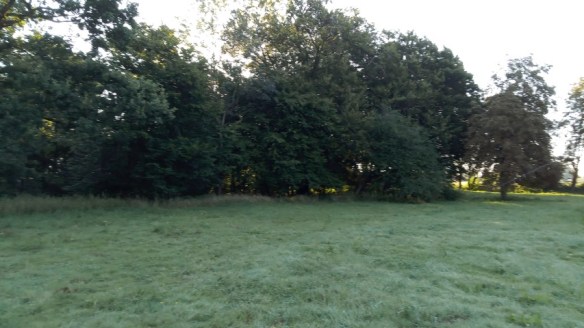


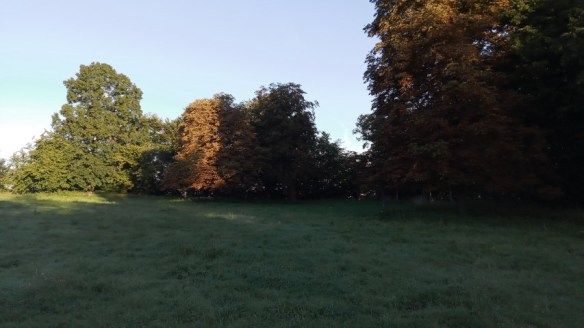

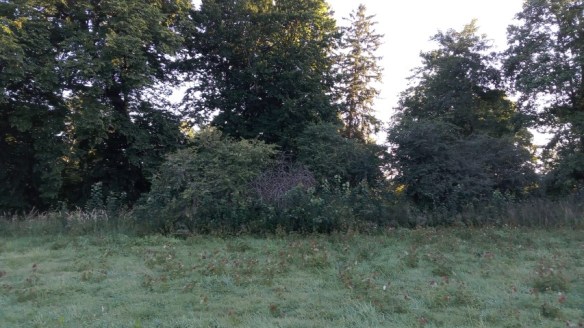
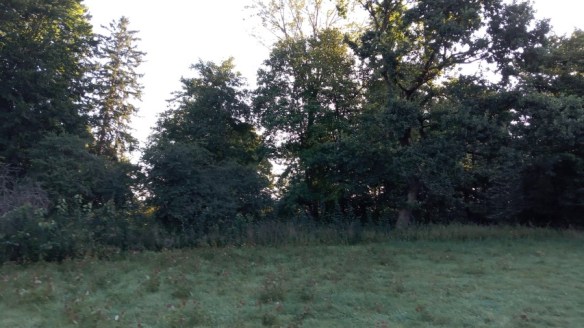
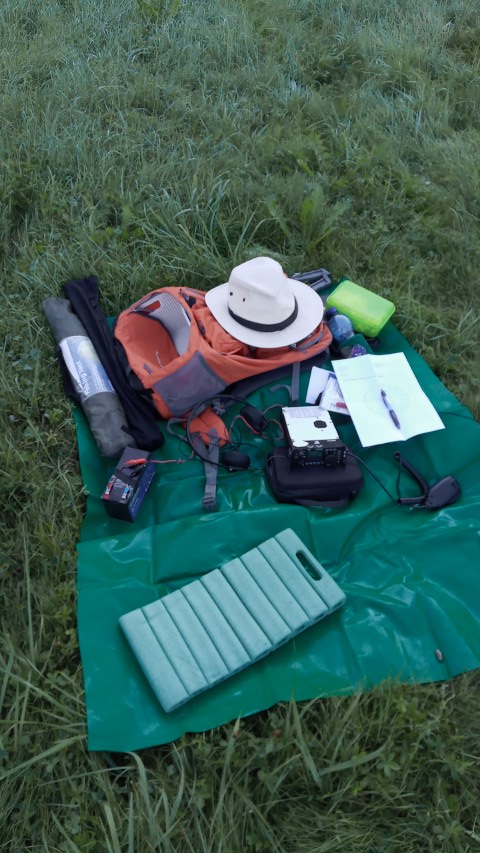
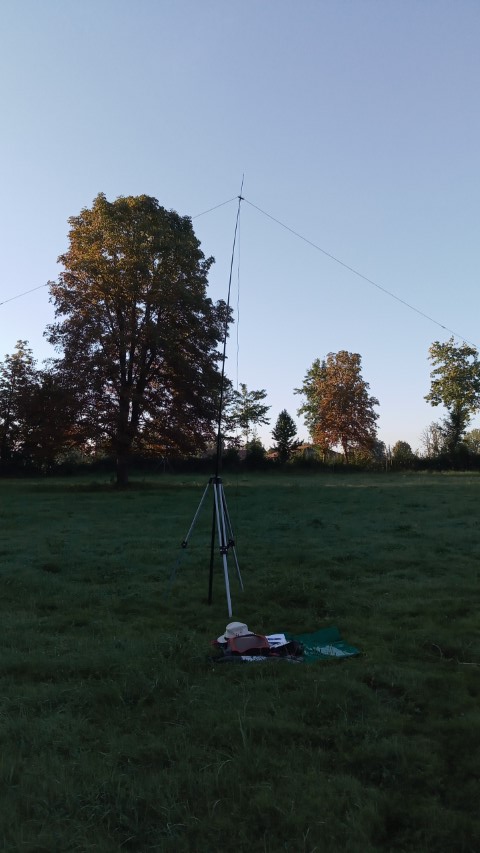
Equipment taken:
- Xiegu G-90 radio.
- Komunica Power HF-PRO2-PLUS-T loaded vertical antenna (not used).
- 10m DX-Wire mini-mast (erected but subsequently taken down).
- Surveyor’s tripod.
- Aerial-59 UL-440 off-centre fed dipole (not used).
- 20/15/10m wire beam (not used).
- Lambdahalbe 6m mast.
- Linked Dipole antenna.
- 8Ah LifePO4 Battery.
- 2 x 4 Ah LifePO4 batteries (one used).
- Small headphones.
- Smartphone for spotting.
Log:
POTA DE-0663/DE-1058

Conclusions:
The quality of ham radio operators is deteriorating – the use of DQRM during a contest is one thing, but to crush a low-powered portable special event station is totally unacceptable.
73 ’til the next activation!
 DD5LP / G8GLM / VK2JI blog
You must be logged in to post a comment.